
 实景预览
实景预览
 发送
发送 分享
分享
 详情
详情 指南
指南

 下载图片
下载图片
 相似作品
相似作品 X射线
X射线 幻灯片播放
幻灯片播放 统计数据
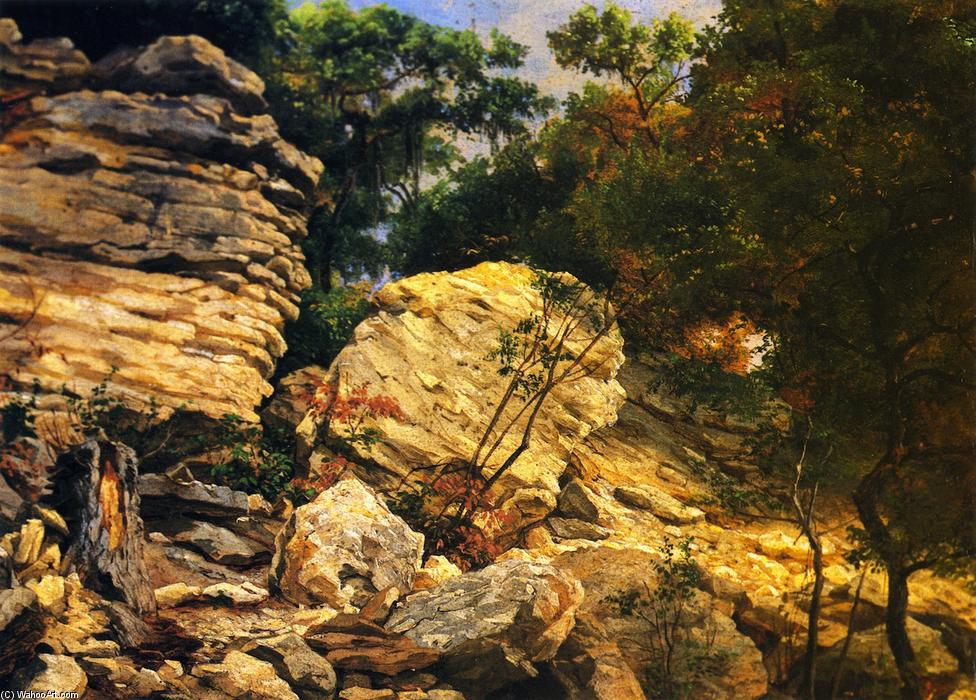
统计数据Split Rok on Shoal Creek, Austin
 阅读全文
阅读全文
购买高分辨率增强版数字图像,其品质远超在线预览。
每一份文件都由我们的内部专家使用先进工具与专业的后期润色技术精心打造。我们确保每一张图像都具备卓越的清晰度、精准的色彩还原度以及细腻的细节表现。
最终文件将在 72 小时内通过电子邮件交付,并针对专业、编辑及印刷用途进行了优化。其品质与顶级设计工作室、出版社和画廊所信赖的标准完全一致。
数字图像
下载高分辨率文件,用于个人展示、打印及创意项目。 ( 切换至版画销售渠道 订购此收藏品的纯手工复刻画作)
每份数字图像订单均包含的内容
专业级数字交付,品质无忧
选择 OriginalUniqueArt.com,您获得的不仅仅是一张图像——您收到的是经过专业级增强、精雕细琢的数字艺术作品,并享有满意保证。以下是您的订单中自动包含的所有内容:

即时邮件交付
您的高分辨率数字图像文件将在下单后 72 小时内通过电子邮件发送给您 —— 即可立即使用。

AI 增强型数字图像
您的艺术品经过专业优化,结合先进的 AI 技术与人工修饰,确保呈现极致的细节、清晰度与色彩准确度。

终身免费重发服务
不小心删除了文件或找不到了?没关系——我们将随时为您免费重发。

无需进口税费,始终如一
即刻拥有您的艺术作品,无需支付任何关税、税费或运费——数字下载始终免税。

色彩精准保障
我们通过专业工具与色彩管理技术,确保您的数字图像尽可能真实地还原原作色彩。

100天满意保证
如果您对所购数字图像不满意,我们将在100天内为您进行修改或提供100%的全额退款——无需任何理由。

100% 退款保证
不满意?在收到数字文件后的100天内,您可以申请全额退款——无需任何理由。

批量订购优惠
购买 3 张享 10% 折扣 - 购买 5 张享 15% 折扣 - 购买 10 张以上享 20% 折扣。非常适合创意项目、画廊及机构使用。
艺术家简介
Early Life and Artistic Beginnings
Herman Lungkwitz, born in Halberstadt, Germany, in 1813, emerged from a period of significant artistic transition. The echoes of Romanticism still resonated, yet the seeds of Realism were beginning to sprout across Europe. While detailed biographical information remains scarce—a common fate for artists operating outside the most prominent circles—we can piece together a portrait of a dedicated painter who navigated these shifting currents with quiet determination. His early training likely occurred within the established academic traditions of his region, focusing on meticulous draftsmanship and classical subject matter. However, Lungkwitz’s artistic path would soon diverge from strict adherence to convention. He wasn't driven by grand historical narratives or mythological allegories; instead, he found inspiration in the everyday lives of people around him, particularly those engaged in rural occupations. This focus suggests an early inclination towards genre painting—a style that celebrated scenes of common life—and a sensitivity to the dignity and beauty inherent in ordinary labor.A Focus on Rural Life and Genre Painting
Lungkwitz’s oeuvre is characterized by its intimate depictions of German peasant life during the 19th century. He wasn't merely documenting these scenes; he was imbuing them with a sense of warmth, authenticity, and subtle psychological depth. His paintings often feature farmers tending their fields, families gathered around simple meals, or individuals engaged in traditional crafts. The compositions are typically balanced and harmonious, reflecting a careful study of light and shadow to create a realistic yet inviting atmosphere. What sets Lungkwitz apart is his ability to capture the character of his subjects—their weathered faces, calloused hands, and quiet resilience. He avoids romanticizing rural existence; instead, he presents it with honesty and respect, acknowledging both its hardships and its inherent beauty. His palette tends towards earthy tones – ochres, browns, and greens – further reinforcing the connection to the land and the natural world. While not widely celebrated during his lifetime, Lungkwitz’s work offers a valuable glimpse into the social fabric of 19th-century Germany, providing a counterpoint to more idealized or dramatic representations of the era.Influences and Artistic Development
Pinpointing specific artistic influences on Lungkwitz is challenging due to limited documentation. However, it’s reasonable to assume exposure to the work of Dutch Golden Age genre painters like Johannes Vermeer and Pieter de Hooch. Their mastery of light, composition, and interior scenes likely served as a source of inspiration for his own meticulous approach. The Biedermeier movement, prevalent in Germany during Lungkwitz's active period, also exerted a subtle influence. This style emphasized domesticity, simplicity, and a focus on personal experience—values that resonate strongly within his paintings. As the 19th century progressed, Lungkwitz may have been aware of the emerging Realist movement led by artists like Gustave Courbet and Jean-François Millet. While he didn’t fully embrace their radical social commentary, he shared their commitment to depicting everyday life with honesty and accuracy. His development can be seen as a gradual refinement of his technique—a growing confidence in capturing nuanced expressions and conveying the emotional weight of ordinary moments.Legacy and Historical Significance
Herman Lungkwitz passed away in 1891, leaving behind a body of work that continues to captivate viewers with its quiet beauty and authenticity. Although he didn’t achieve widespread fame during his lifetime, his paintings have gained recognition in recent years as valuable historical documents and compelling examples of 19th-century genre painting.- His works offer a unique perspective on German rural life—a glimpse into the daily routines, social structures, and emotional lives of ordinary people.
- Lungkwitz’s meticulous technique and sensitive portrayal of his subjects demonstrate a deep respect for human dignity and the beauty inherent in everyday labor.
- His paintings serve as a counterpoint to more idealized or dramatic representations of 19th-century Germany, providing a nuanced and realistic view of the era.

herman lungkwitz
1813 - 1891