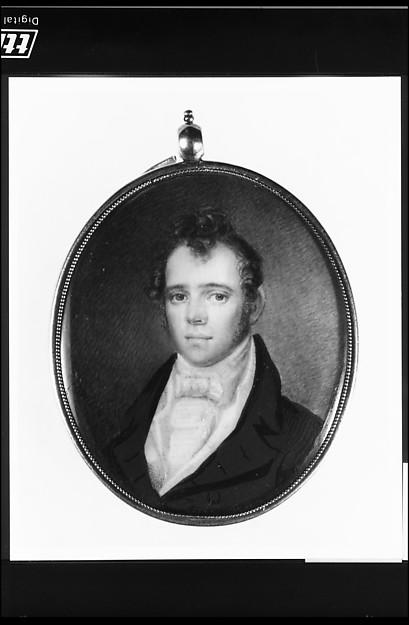
 实景预览
实景预览
 切换至版画销售渠道
 分享
分享 分享
分享
 详情
详情 指南
指南

 下载作品
下载作品
 相似作品
相似作品 X射线
X射线 幻灯片播放
幻灯片播放 问答
问答 统计数据
统计数据John Cox

- 6.0 x 5.0 cm

 展开全文
展开全文
获取远超网页预览效果的印刷级文件。我们销售的每一张数字图像均源自库存数据库中的高分辨率母版——宽度通常在 5,000 至 15,000 像素之间——因此您可以放心地进行大幅打印、局部裁剪或还原细腻的细节。
每一件作品在离开我们的工作室前都经过了精心的处理。数字影像专家会对照原作核对色彩,并在必要时进行校正,随后利用专业修图工具提升清晰度与细节表现——且始终忠实于艺术家的笔触与风格。最终呈现的图像宛如原作本身,而非仅仅是一张加了滤镜的扫描件。
您可以在最终定稿前进行审核:我们的专家将在 72 小时内通过电子邮件向您发送图像以供审阅。如果不满意?您可以要求改进或修正;若质量未达预期,亦可申请退款。
这也是出版商、设计工作室、画廊及印刷厂所信赖的品质。
每份数字图像订单均包含的内容
专业级数字交付,品质保障
选择 OriginalUniqueArt.com,您获得的不仅仅是一张图像——您收到的是经过专业级增强、精雕细琢的数字艺术作品,并享有满意保证。以下是您的订单中自动包含的所有内容:

邮件即时送达
您的高分辨率数字图像文件将在下单后 72 小时内通过电子邮件发送给您 —— 即可立即使用。

AI 增强型数字文件
您的艺术品经过专业优化,结合先进的 AI 技术与人工修饰,确保呈现极致的细节、清晰度与色彩准确度。

终身免费重发服务
不小心删除了文件或找不到了?没关系——我们将随时为您免费重发。

无需进口税费,始终如一
即刻拥有您的艺术作品,无需支付任何关税、税费或运费——数字下载始终免税。

色彩精准保障
我们通过专业工具与色彩管理技术,确保您的数字图像尽可能真实地还原原作色彩。

100天满意保证
如果您对所购数字图像不满意,我们将在100天内为您进行修改或提供100%的全额退款——无需任何理由。

100% 退款保证
不满意?在收到数字文件后的100天内,您可以申请全额退款——无需任何理由。

批量订购优惠
购买 3 张享 10% 折扣 - 购买 5 张享 15% 折扣 - 购买 10 张以上享 20% 折扣。非常适合创意项目、画廊及机构使用。
艺术家简介
Henry Williams: A Visionary of Spiritual Portraiture (1787-1830)
Henry Williams, a British artist working primarily in the late 18th and early 19th centuries, remains a captivating figure within the history of English portraiture and religious art. Born in Boston, Massachusetts, in 1787, his life was marked by both artistic brilliance and personal tragedy, culminating in a legacy of evocative biblical scenes and deeply spiritual portraits. While often overshadowed by more prominent contemporaries, Williams’s work possesses a unique sensitivity and emotional depth that continues to resonate with viewers today.
Williams's early life offers little documented detail, though it is known he received some artistic training before relocating to England. He established himself as an artist in London, quickly gaining recognition for his ability to capture the essence of his subjects – particularly those of a religious or moral nature. His style was characterized by a restrained elegance and a subtle use of light and shadow, creating a sense of quiet contemplation within each portrait. Unlike the flamboyant styles prevalent at the time, Williams favored a more understated approach, focusing on conveying inner character rather than mere physical likeness.
A pivotal moment in Williams’s career was his appointment as a missionary to New Zealand in 1823. This journey profoundly impacted his artistic vision and subject matter. He spent several years among the Māori people, documenting their customs, beliefs, and spiritual practices. These experiences led him to create a series of powerful paintings depicting biblical scenes interpreted through a Māori lens – a fascinating fusion of Western religious iconography and indigenous culture. These works, such as “The Last Supper” (1824), are particularly noteworthy for their nuanced portrayal of the Māori community and their deep connection to the land and spirituality. The influence of this period is evident in his later work, where he frequently incorporated elements of nature and a sense of profound reverence.
Beyond New Zealand, Williams continued to produce portraits of prominent figures within the British establishment – politicians, military officers, and members of the aristocracy. These works demonstrate his technical skill and his ability to capture the dignity and gravitas of his subjects. However, it is arguably in his religious scenes that he truly excelled. His paintings often feature a contemplative atmosphere, inviting viewers to reflect on themes of faith, morality, and redemption. His use of color was particularly effective in conveying mood – muted tones for solemn moments, brighter hues for expressions of hope or joy.
Despite his artistic success, Williams’s life was shadowed by personal tragedy. His father, a renowned baseball player, died unexpectedly in 1802, and his mother later succumbed to illness. Furthermore, the death of his wife, Dolores Wettach, in 1830, deeply affected him, contributing to a period of melancholy that is reflected in some of his later works. He was also embroiled in controversy surrounding his father’s wishes for cryonic preservation, which led to legal battles and public scrutiny.
Henry Williams's legacy extends beyond his individual paintings. His work represents a unique synthesis of artistic skill, religious conviction, and cultural sensitivity. His depictions of Māori spirituality offer a valuable window into the beliefs and practices of a vibrant indigenous culture, while his portraits of British society provide insights into the social and political landscape of early 19th-century England. Today, Williams’s paintings are held in prestigious collections worldwide, testament to their enduring artistic merit and historical significance. His ability to infuse religious themes with profound emotional resonance ensures that Henry Williams remains a compelling figure in the history of British art.
Key Works
- The Last Supper (1824): A seminal work depicting a Māori interpretation of the biblical Last Supper, showcasing his unique artistic vision.
- Portraits of Samuel Henry Llewellyn: Demonstrates his skill in capturing character and conveying inner qualities.
- Various Biblical Scenes (1820s-1830s): A series of paintings exploring themes of faith, morality, and redemption through a spiritual lens.
Influences
Williams’s artistic style was influenced by several key figures and movements: the restrained elegance of Thomas Gainsborough, the emotional depth of William Hogarth, and the Romantic sensibility that emphasized nature and individual experience. The encounter with Māori culture in New Zealand profoundly shaped his perspective, leading him to incorporate elements of indigenous spirituality into his work.
Historical Context
Williams’s career unfolded during a period of significant social and political change in Britain. The Napoleonic Wars had recently ended, and the country was grappling with issues of industrialization, urbanization, and social inequality. Religious revivalism was also on the rise, leading to increased interest in biblical themes and moral instruction. Williams's work reflects these broader cultural trends, offering a nuanced portrayal of both the spiritual and secular aspects of early 19th-century England.

Henry Williams
1787 - 1830
基本信息
- Artistic Movement Or Style: Biblical & Spiritual
- Artists Or Movements Influenced By This Artist: ['Evan Williams']
- Artists Who Influenced This Artist: ['Samuel Henry Llewellyn']
- Date Of Birth: 1787
- Date Of Death: 1830
- Full Name: Henry Williams
- Nationality: British
- Notable Artworks:
- Gorham L. Freeman
- Various biblical scenes
- Place Of Birth: WahooArt, USA