
 购买印刷品
购买印刷品 分享
分享 分享
分享
 详情
详情

 下载
下载
 相似作品
相似作品 幻灯片播放
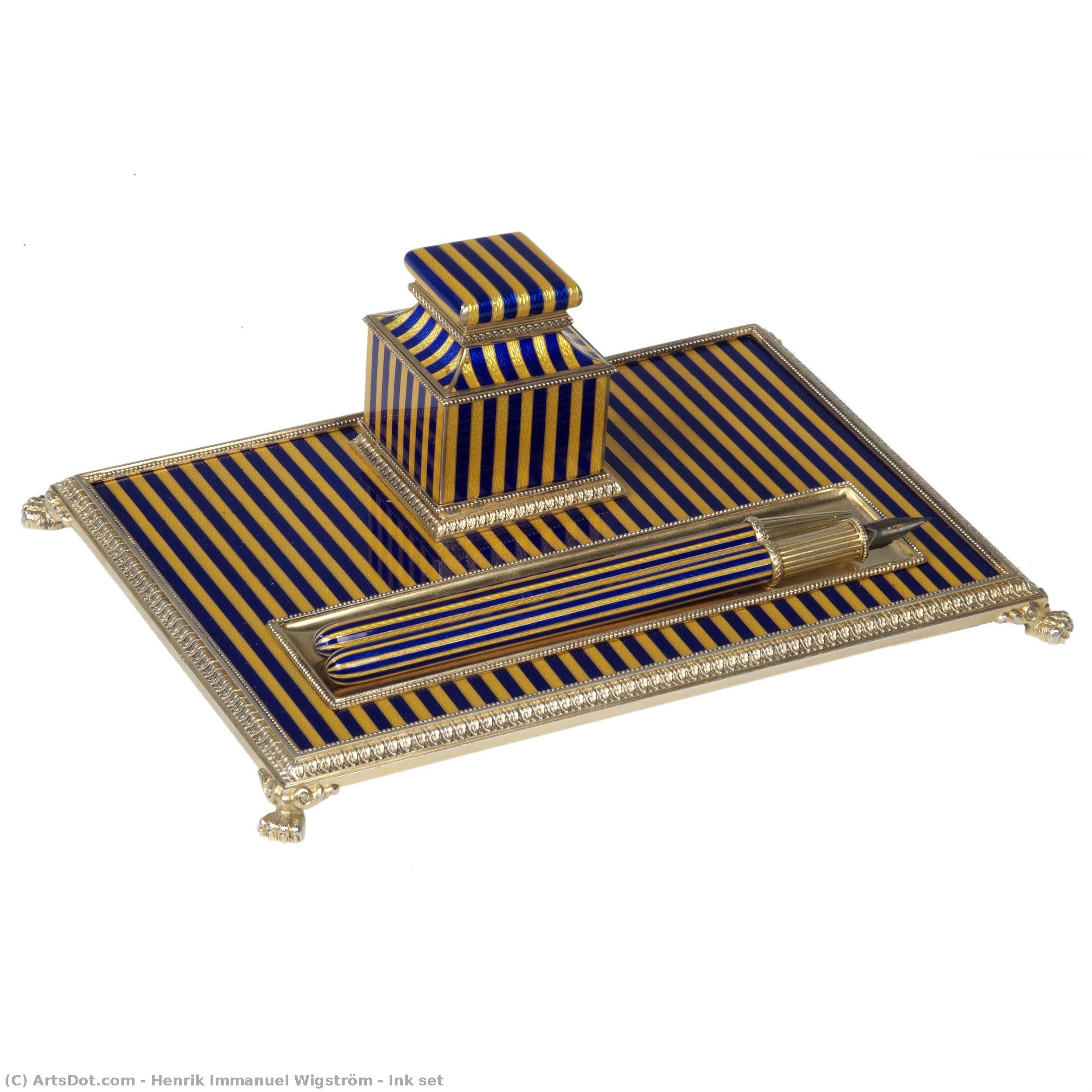
幻灯片播放Ink set


 展开详情
展开详情
购买高分辨率增强版数字图像,其品质远超在线预览。
每一份文件都由我们的内部专家使用先进工具与专业的后期润色技术精心打造。我们确保每一张图像都具备卓越的清晰度、精准的色彩还原度以及细腻的细节表现。
最终文件将在 72 小时内通过电子邮件交付,并针对专业、编辑及印刷用途进行了优化。其品质与顶级设计工作室、出版社和画廊所信赖的标准完全一致。
每份数字图像订单均包含
专业数字图像交付,品质保障
选择 OriginalUniqueArt.com,您获得的不仅仅是一张图像——您收到的是经过专业级增强、精雕细琢的数字艺术作品,并享有满意保证。以下是您的订单中自动包含的所有内容:

邮件快速送达
您的高分辨率数字图像文件将在下单后 72 小时内通过电子邮件发送给您 —— 即可立即使用。

AI 增强型数字文件
您的艺术品经过专业优化,结合先进的 AI 技术与人工修饰,确保呈现极致的细节、清晰度与色彩准确度。

终身免费重发服务
不小心删除了文件或找不到了?没关系——我们将随时为您免费重发。

无需进口费用,始终如一
即刻拥有您的艺术作品,无需支付任何关税、税费或运费——数字下载始终免税。

色彩精准保证
我们通过专业工具与色彩管理技术,确保您的数字图像尽可能真实地还原原作色彩。

60天满意保证
如果您对所购买的数字图像不满意,我们将在60天内为您进行修改或退还100%的款项——无需任何解释。

100% 退款保证
如果不满意?在收到数字文件后的60天内,我们为您提供全额退款——无需任何理由。

批量订单优惠
购买 3 张图片可享 10% 折扣 - 购买 5 张可享 15% 折扣 - 购买 10+ 张可享 20% 折扣。非常适合创意项目、画廊和机构使用。
藏品详情
A Symphony in Gold and Blue: Unveiling Henrik Immanuel Wigström’s Ink Set
The world of Fabergé is often associated with extravagant jewels and dazzling imperial commissions, yet within that opulent realm resided a quiet master of understated elegance – Henrik Immanuel Wigström. This exquisite ink set, a testament to his meticulous craftsmanship and profound understanding of historical styles, offers a glimpse into the refined artistry that defined the era. More than just a functional object, it’s a miniature masterpiece, radiating an aura of sophisticated luxury and timeless beauty.
At first glance, the piece presents a striking geometric composition. A rectangular tray, meticulously crafted from gold and adorned with a bold interplay of blue and gold stripes – a signature element of Art Deco – anchors the design. Its ornate gilded edges speak to a deliberate embrace of classical detailing, subtly referencing Louis XVI furniture while simultaneously embodying the streamlined aesthetic of the early 20th century. The square inkwell, mirroring the tray’s striped pattern, adds another layer of visual interest and balance. Completing the ensemble is a fountain pen, its barrel echoing the geometric motif, ensuring that every element works in harmonious unison.
The Hand of the Master: Technique and Materials
Wigström's skill as a goldsmith was legendary, and this ink set serves as a stunning example of his mastery. The intricate detailing achieved through enamel work is particularly noteworthy. The vibrant blue, meticulously applied and fired to create a lustrous surface, contrasts beautifully with the gleaming gold, showcasing a level of precision rarely matched. The use of gold plating, combined with the delicate application of enamel, creates a tactile richness that invites touch – a testament to the value placed on quality and craftsmanship during this period.
Beyond the visible techniques, lies a deep understanding of materials. The choice of gold speaks to wealth and status, while the enamel itself represents artistry and refinement. The smooth, reflective surfaces suggest an almost ethereal quality, as if capturing and reflecting light in a subtle dance. It’s clear that Wigström didn't simply assemble components; he orchestrated them into a cohesive whole, demonstrating a profound respect for both form and function.
A Legacy of Style: Historical Context and Symbolism
Henrik Immanuel Wigström’s work is inextricably linked to the legacy of Fabergé. Following the untimely death of Michael Perchin in 1903, Wigström stepped into a crucial role, continuing to produce exquisite pieces for the Imperial Court. His style was characterized by a deep appreciation for classical forms – Louis XVI, Empire, and neoclassical – blended with the emerging geometric sensibilities of Art Deco. This fusion created a uniquely elegant aesthetic that resonated with the tastes of the Russian aristocracy.
The repeating striped pattern itself carries symbolic weight. Geometric patterns were frequently employed in Art Deco design to convey modernity, order, and dynamism. The blue and gold combination – often associated with royalty and wealth – further reinforces the set’s luxurious character. More broadly, the ink set represents a celebration of artistry, correspondence, and the enduring power of written communication—a connection to history and tradition.
A Timeless Treasure: Emotional Impact and Artistic Value
This ink set is more than just an object; it’s a portal into a bygone era. Its meticulous craftsmanship, refined aesthetic, and historical significance evoke a sense of nostalgia for a time when artistry was valued above all else. The piece possesses a quiet elegance that transcends trends, making it a timeless treasure for collectors and interior designers alike.
Its geometric design lends itself beautifully to contemporary spaces, offering a touch of understated luxury and sophisticated charm. Whether displayed on a desk or showcased in a curated collection, this ink set by Henrik Immanuel Wigström is sure to captivate the eye and inspire admiration for the enduring legacy of Russian goldsmithing.
艺术家简介
The Silent Maestro of Fabergé Elegance
Henrik Immanuel Wigström stands as a pivotal figure in the history of Russian goldsmithing and, crucially, the opulent world of Fabergé. Born in Ekenäs, Finland, in 1862, Wigström’s artistic journey began amidst the burgeoning Art Nouveau movement but swiftly cemented itself within the exacting standards of the Imperial Court, shaping the aesthetic landscape of his era. While often overshadowed by his more flamboyant colleague Michael Perchin, Wigström possessed an unparalleled dedication to craftsmanship and a profound understanding of Louis XVI, Empire, and neoclassical styles—qualities that ensured he became Fabergé’s most prolific workmaster after Perchin's untimely demise in 1903.
His formative years were defined by rigorous discipline and a deep-seated fascination for the decorative arts. Wigström received his early artistic education at the Helsingfors Konstakademi (Finnish Art Academy), where he honed his skills in silver and goldsmithing. This grounding in traditional techniques would prove invaluable as he navigated the complexities of the Fabergé workshop, allowing him to master the delicate balance between structural integrity and ornamental splendor.
A Legacy of Imperial Splendor
When Wigström joined the Fabergé atelier in 1903, he inherited a monumental responsibility: maintaining the prestige of the House of Fabergé following the loss of Perchin. He did not merely maintain this standard; he elevated it. Under his leadership, the workshop produced an astonishing array of decorative objects that embodied the grandeur of Imperial Russia. His work is characterized by a refined neoclassical aesthetic, leaning into the elegance of the Louis XVI and Empire styles to create pieces that felt both timeless and profoundly luxurious.
Wigström's artistic output was remarkably diverse, ranging from functional objects of high utility to purely ornamental treasures. His mastery is evident in several key areas:
- Exquisite Timepieces: He was renowned for creating magnificent table clocks, such as the Moon’s Face Table Clock and the breathtaking Table Clock in the Shape of a Carriage, which showcased his ability to blend mechanical precision with artistic storytelling.
- Decorative Objects: His repertoire included stunning lorgnettes, intricate ink sets, and delicate silverwork that served as the pinnacle of high-society luxury.
- Hardstone Artistry: He excelled in crafting hardstone animals, figures, and flowers with remarkable precision, utilizing his deep knowledge of mineral textures to breathe life into inanimate stone.
Technique and Historical Significance
The true genius of Wigström lay in his technical perfectionism. His work is defined by flawless enamelwork, intricate guilloche engraving, and the masterful manipulation of precious metals. Every piece he touched reflected a meticulous attention to detail that satisfied even the most discerning members of the Romanov dynasty. By blending the delicate textures of fine enamel with the structural strength of gold and silver, he created objects that were as much feats of engineering as they were works of art.
As the era of Imperial Russia drew to a close, Wigström’s contributions remained a testament to a vanished world of unparalleled opulence. His ability to interpret historical styles through a modern, refined lens ensured that his work would remain iconic long after the workshops of St. Petersburg fell silent. Today, his legacy lives on through the rare and precious artifacts that continue to captivate collectors, serving as enduring symbols of the height of Fabergé's artistic achievement.
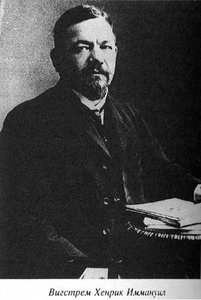
henrik immanuel wigström
1862 - 1923 , Finland
基本信息
- Artistic Movement Or Style: Louis XVI, Empire, Neoclassical
- Artists Who Influenced This Artist: ['Michael Evlampievich Perchin']
- Date Of Birth: October 2, 1862
- Date Of Death: March 14, 1923
- Full Name: Henrik Immanuel Wigström
- Nationality: Finnish
- Notable Artworks:
- Miniature Perfume Bottle
- Ink set
- Moon’s Face Table Clock
- Place Of Birth: Ekenäs, Finland

