切换至版画销售渠道
 展开全文
展开全文







































 对于任何边长超过 105 厘米(约 41 英寸)的艺术品或复制品,画框将以拆解后的组件形式发货。此方法可确保安全送达并防止运输过程中的损坏。


A Singular Vision: Exploring Henri Matisse’s “Untitled (2775)”
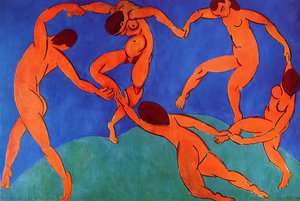
Henri Matisse, a name synonymous with audacious color and lyrical simplification, stands as one of the most influential artists of the 20th century. His oeuvre transcends mere representation; it embodies an emotional response to the world around him—a conviction that art should communicate feeling directly, bypassing intellectual mediation. “Untitled (2775),” created sometime between 1946 and 1948 during Matisse’s prolific final years in Antibes, exemplifies this philosophy perfectly. This striking composition depicts a woman devoid of head and torso, yet imbued with an undeniable presence—a testament to Matisse's masterful manipulation of form and hue.
The Fauvist Breakthrough: Color as Narrative
Matisse’s artistic journey began unexpectedly after a serious illness sidelined him from his legal studies. Recognizing the transformative power of painting during convalescence, he embraced color with fervor—a decision that would propel him to the forefront of the Fauvist movement. This revolutionary style, spearheaded by Matisse alongside André Derain and Maurice de Moulinet, rejected academic conventions in favor of unrestrained chromatic intensity. Artists like Matisse sought to capture the essence of a subject not through meticulous detail but through vibrant splashes of pigment—a bold departure from Impressionism’s subtle gradations.
Compositional Harmony: Geometric Forms and Fluid Color
“Untitled (2775)” showcases Matisse's signature technique: geometric forms rendered in luminous color. The woman’s body is divided into two distinct planes – a rich orange hue dominating the upper half, contrasted by a serene blue on the lower portion. These shapes aren’t merely decorative; they contribute to an overall sense of balance and rhythm. Furthermore, Matisse skillfully employs flowing lines—particularly evident in the woman's hair—to convey movement and vitality. The inclusion of two birds perched atop vases adds visual interest and subtly reinforces themes of freedom and contemplation.
Symbolic Resonance: Beyond Literal Representation
While seemingly abstract, “Untitled (2775)” resonates with deeper symbolic meanings. Matisse’s deliberate omission of facial features invites viewers to focus on the woman's posture and gesture—a gesture that embodies grace and serenity. The color palette itself is laden with significance; orange symbolizes warmth, energy, and optimism, while blue evokes tranquility, spirituality, and introspection. These hues intertwine harmoniously, mirroring Matisse’s belief in art as a conduit for emotional expression.
A Legacy of Color: Influence on Contemporary Art
"Untitled (2775)" solidified Matisse's position as a titan of modern art and profoundly impacted subsequent generations of artists. His unwavering commitment to color—a principle he championed throughout his career—continues to inspire painters today. Reproductions of this iconic artwork offer collectors and interior designers alike the opportunity to experience Matisse’s visionary aesthetic firsthand, bringing a touch of timeless beauty and emotional depth into any space.
常见问题与解答
亨利·马蒂斯 的《untitled (2775)》 的技法与风格具有哪些特征?
在“untitled (2775)”中,Acrylic On Canvas技法与Fauvist Expression运动交相辉映。
"untitled (2775)" 的色彩饱和度如何?
"untitled (2775)" 的色彩饱和度为 Clear Color Presence。
亨利·马蒂斯 的《untitled (2775)》 的观众来自哪里?
亨利·马蒂斯 的《untitled (2775)》 的 访问统计 页面展示了公开访问统计数据:包括该作品的每月访问量、与艺术家最受关注作品的对比,以及访客的来源地。
 实景预览
实景预览
 分享
分享 分享
分享
 详情
详情 指南
指南

 下载作品
下载作品
 相似作品
相似作品 X射线
X射线 幻灯片播放
幻灯片播放 Q&A
Q&A 统计数据
统计数据