

 效果预览
效果预览
 购买手绘画作
 分享
分享 分享
分享
 详情
详情

 下载
下载
 相似作品
相似作品 X射线
X射线 幻灯片播放
幻灯片播放Sunday
 Oil On Canvas
- WallArt
- Impressionism
 1898
1898 113.0 x 192.0 cm
 Musée de la Chartreuse
 展开详情
展开详情




P118B $10

P118H $10

P118W $10

P438Z $10

P508JH $12

P508YH $12

P805H $10

P805Z $10

P919BZ $10

P919G $10

P919XJ $10

P959ZH $10

P968JZ $12

W106C $8

W218G $10

W218JH $8

W218Y $10

W307PJ $10

W316G $10

W316PJ $8

W316Y $10

W398PJ $8

W4111J $10

W500HY $15

W500JH $15

W692G $12

W849H $8

W940BG $15

W953PJ $8




从与原作比例一致的预设尺寸中进行选择。

您可以输入自定义尺寸,以适配特定的画框或空间。如果您选择的尺寸与原图比例不符,我们将对作品进行裁剪,或通过镜像填充/纯色填充边缘的方式来扩展图像。在开始制作之前,我们会向您发送一份数字效果图供您确认。
请注意,屏幕上的预览并不能反映实际的裁剪或扩展效果。只有效果图才能准确展示最终的构图。
虽然我们提供定制尺寸,但为了保持原图比例,我们建议您从预设列表中选择尺寸。


 玻璃选项仅适用于110厘米以下的尺寸。

Sunday
艺术微喷/版画
复制品尺寸
-


最终总价
$ 80
藏品详情
A Moment of Tranquility: Henri Le Sidaner's "Sunday"
Henri Le Sidaner’s “Sunday,” painted in 1898, is more than just a depiction of women gathered in a park; it’s an invitation to pause and absorb the quiet beauty of a fleeting moment. The canvas breathes with a soft, diffused light that suggests either dawn or dusk, bathing the scene in an ethereal glow. This isn't a bustling social gathering captured mid-conversation, but rather a tableau of contemplative stillness, where figures seem suspended between worlds – perhaps reflecting on the week past or anticipating the one to come. The overall impression is undeniably Impressionistic, characterized by loose brushstrokes and a focus on capturing the ephemeral qualities of light and color, moving beyond strict realism to evoke an emotional response in the viewer.The Essence of Intimism and Light
Le Sidaner was a master of what’s known as “Intimism,” a late 19th-century movement that emphasized intimate scenes and quiet domesticity. Unlike some Impressionists who sought grand landscapes or vibrant cityscapes, Le Sidaner found beauty in the understated – in the gentle play of light on fabric, the subtle shifts in color across a park’s foliage, and the unspoken connections between people. His technique is particularly noteworthy; he employed thin washes of oil paint, layering them meticulously to build up both color and form. This process created a slightly grainy texture, enhancing the sense of atmosphere and lending an almost dreamlike quality to the scene. The horizontal lines dominating the landscape—the ground, the distant trees—create a foundation of stability, while vertical elements in the figures and foliage provide a gentle counterpoint, guiding the eye through the composition. The artist’s deliberate use of pale pinks, whites, and creams contributes significantly to the serene and delicate mood, avoiding harsh contrasts and instead opting for harmonious blends that soothe the senses.A Glimpse into Belle Époque Society
Painted during the Belle Époque—a period often characterized by optimism, peace, and artistic innovation—"Sunday" offers a glimpse into the leisure activities of upper-class women in late 19th-century France. While not overtly narrative, the scene suggests a moment of respite from societal obligations, a chance for quiet reflection amidst nature's beauty. The setting itself – a park-like space with carefully manicured greenery—speaks to the era’s appreciation for cultivated landscapes and refined aesthetics. Le Sidaner wasn't interested in documenting specific events; rather, he aimed to capture a feeling, an atmosphere of tranquility that resonated with the prevailing mood of the time while also hinting at a deeper sense of introspection.Symbolism and Emotional Resonance
Beyond its aesthetic appeal, "Sunday" carries subtle symbolic weight. The soft light could be interpreted as representing hope or spiritual renewal, aligning with the day's traditional association with rest and reflection. The gathering of women suggests themes of community, connection, and shared experience. The overall feeling is one of peaceful contemplation—a moment suspended in time, inviting viewers to shed their own burdens and embrace a sense of calm. Le Sidaner’s genius lies in his ability to evoke such profound emotions through seemingly simple imagery, creating a work that continues to resonate with audiences today. The painting isn't just about what is seen; it's about the feeling it evokes—a quiet longing for beauty, peace, and connection in an increasingly complex world.艺术家简介
早年生活与背景
亨利·欧仁·奥古斯丁·勒·西达内,1862年8月7日出生于毛里求斯的路易港。他的父亲让-马里·勒·西达内在劳埃德船务公司担任船舶检验员。1872年,全家返回法国,定居于敦刻尔克。从小,勒·西达内便展现出对绘画的浓厚兴趣,并得到了父母的支持。他曾就读于敦刻尔克的圣母沙丘学院。凭借敦刻尔克市政府提供的奖学金,他得以移居巴黎,进入著名的国立美术学院深造。
艺术训练与影响
在国立美术学院,勒·西达内师从亚历山大·卡巴内尔,这位是贝壳时代法国绘画的杰出人物。然而,由于艺术理念上的分歧,他后来辞去了学业。早期的影响源自爱德华·马奈和克劳德·莫奈,以及点彩派画家们。他被他们创新的色彩运用和光线处理方式深深吸引。随后,勒·西达内加入了埃塔普尔艺术群体,与那里的艺术家们共同工作,进一步发展他的绘画技巧和艺术视野。
艺术风格与演变
勒·西达内的画风以其柔和的色彩、微妙的灰色调以及不均匀、斑驳的点彩笔触为特征。这种独特的技法在他的作品中营造出一种特殊的氛围和神秘感。他尤其擅长夜景绘画,能够捕捉到黄昏时分光影的细微变化。他的创作风格随着时间的推移而不断演变,从早期的影响逐渐发展成为一种融合了印象派技巧与象征主义元素的个人风格。在皮卡第乡村的日尔贝罗伊定居三十余年后,他以其迷人的花园景色而闻名,这些花园建于一座中世纪堡垒的废墟之上。他的画作经常描绘着斑驳的阳光和玫瑰花,巩固了他作为一位独特艺术家的声誉。
主要作品与荣誉
勒·西达内的代表作包括《静物与窗户,吉索尔》,可在OriginalUniqueArt.com上欣赏。他的画作在比利时图尔奈美术馆展出,展示了令人印象深刻的法国后印象派作品集。在他的职业生涯中,他的作品广受欢迎,证明了他的艺术价值和市场潜力。1891年巴黎世界博览会上,他荣获铜奖。1905年,他在伦敦和巴黎成功举办了一系列威尼斯画作展。
历史意义
勒·西达内通常被认为是“最后的印象派画家”,连接了印象派与后印象派之间的桥梁。他独特的风格将各种艺术运动的元素融合在一起,同时保持着鲜明的个人特色,使他与同时代的艺术家们区分开来。他以非凡的敏感和技巧捕捉了室内场景和宁静街景的精髓,为观众提供了对亲密时刻和宁静风景的独特视角。他的遗产继续激励着艺术家和艺术爱好者,正如OriginalUniqueArt.com等平台上的作品展览所证明的那样。
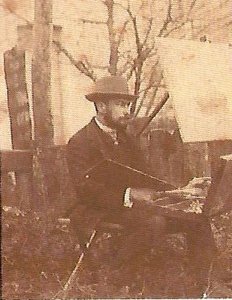
亨利·勒·西达内 (Hénglí Lè Xīdānài)
1862 - 1939 , 毛里求斯
艺术家简介
- 代表作品:
- 静物与窗户,吉索尔
- 博韦广场月夜
- 出生地: 毛里求斯波特路易斯
- 出生日期: 1862年8月7日
- 国籍: 法国
- 姓名: 亨利·欧仁·奥古斯丁·勒·西达内
- 影响艺术家:
- 爱德华·马奈
- 莫奈
- 点彩派画家
- 艺术运动或风格: 内向派,印象派
- 逝世日期: 1939年7月14日
相关文章
马蒂斯大师25幅杰作:色彩与光影的艺术传奇 | OriginalUniqueArt
探索亨利·马蒂斯25幅杰作,感受野兽派色彩的魅力!从《舞蹈》到《红色和谐》,揭秘大师背后的故事与艺术灵感。OriginalUniqueArt.com提供博物馆级高质量油画复制品,为您的家居增添奢华艺术气息。立即在线探索完整系列!
Henri Le Sidaner: Evoking Atmosphere & Intimacy in Post-Impressionist Landscapes
Discover the evocative world of Henri Le Sidaner, a master of Intimist painting. Explore his tranquil landscapes & atmospheric interiors – a celebration of light and intimacy. Learn about his life, style, and lasting legacy.
雷诺阿大师25幅经典之作:光影中的艺术与生活 | OriginalUniqueArt
探索雷诺阿25幅经典之作,感受印象派大师的光影魅力与色彩诗意。从《舞会》到《煎饼磨坊》,OriginalUniqueArt为您呈现艺术背后的故事与技巧。高品质艺术复制品,点亮您的家居空间!立即在OriginalUniqueArt.com探索完整系列。
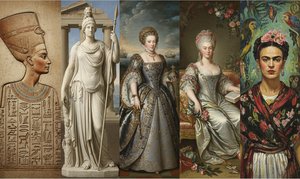
Portrayals of Power & Perception: A Historical Survey of Women in Art
Explore the rich history of women in art – from iconic muses to groundbreaking artists. Discover feminist movements & reclaim female narratives with OriginalUniqueArt. Expert insights for discerning collectors.

印象派风景画的十部巨作:定义艺术与家的和谐之境
探索印象派风景画的十部经典巨作!从莫奈到雷诺阿,揭秘大师们的技法与灵感。OriginalUniqueArt.com为您呈现高清油画复制和精选艺术品,点亮您的家居空间。立即发现更多艺术珍宝!

