
 实景预览
实景预览
 分享
分享 分享
分享
 详情
详情 指南
指南

 下载作品
下载作品
 相似作品
相似作品 X射线
X射线 幻灯片播放
幻灯片播放 问答
问答 统计数据
统计数据Path through a Normandy Village


 展开全文
展开全文
艺术微喷/版画
博物馆级艺术微喷或帆布版画,制作高效,并提供多种饰面选择。 ( 订购纯手工绘制画作 切换至数字图像销售渠道)




































您可以从与原作比例一致的预设尺寸中进行选择。

请输入您所需的宽度和高度,以适配您的画框或墙面。由于印刷品只能进行裁剪,无法超出原图尺寸,因此若比例不一致,画面的一部分将会被裁切。在正式印刷之前,我们会为您发送一份数字效果图供您确认。本页面显示的图片并非最终裁剪后的效果——只有效果图才能展示真实的裁剪情况。


 玻璃选项仅适用于110厘米以下的尺寸。

Path through a Normandy Village
艺术微喷/版画
复刻品尺寸
-


最终结算价
¥ 544
A Glimpse of Rural Tranquility: Henri-Joseph Harpignies' "Path through a Normandy Village"
This captivating landscape painting, “Path through a Normandy Village,” created in 1877 by French artist Henri-Joseph Harpignies, offers a serene glimpse into rural life. The artwork transports viewers to the heart of Normandy, France, depicting a picturesque village nestled amongst rolling hills under a cloudy sky. It’s a quintessential example of Impressionism, capturing not just what is seen but also the feeling and atmosphere of a fleeting moment in time. Harpignies masterfully uses loose brushstrokes and subtle color variations to evoke a sense of tranquility and connection with nature – qualities that continue to resonate with audiences today.Impressionistic Technique and Artistic Style
The painting is characterized by the hallmarks of Impressionism. Rather than striving for photographic realism, Harpignies prioritizes capturing the sensory experience of being present in this Norman landscape. Noticeable brushstrokes are layered upon one another, creating a textured surface that reflects the dappled light filtering through the clouds. The palette is dominated by muted greens, browns, and blues – colors chosen to convey the hazy, overcast conditions of the day. Horizontal lines define the hills and path, providing a sense of stability and grounding, while vertical strokes emphasize the structure of the prominent stone building in the foreground. This interplay of horizontal and vertical elements creates visual harmony within the composition. The technique involves applying paint in short, broken brushstrokes, often mixed directly on the canvas, allowing colors to blend optically – a signature characteristic of Impressionist painting.Historical Context & Harpignies' Artistic Journey
Henri-Joseph Harpignies (1819-1916) was a pivotal figure in French landscape painting, deeply influenced by the Barbizon School and later Italian landscapes. Initially destined for a business career, his passion for art led him to formal training under Jean Achard in Paris. A transformative journey to Italy in 1848 profoundly shaped his artistic vision, imbuing his work with a sense of light and atmosphere. Harpignies’ style evolved over time, but he consistently maintained a commitment to capturing the beauty of the natural world. "Path through a Normandy Village" reflects this dedication, showcasing his ability to translate observed reality into evocative and emotionally resonant imagery. His later works often displayed a more polished finish than earlier pieces, yet retained the core principles of observation and atmospheric rendering that defined his career.Symbolism & Emotional Impact
Beyond its aesthetic appeal, "Path through a Normandy Village" carries symbolic weight. The solitary figure walking along the path represents humanity’s connection to nature and the simple rhythms of rural life. The winding path itself can be interpreted as a metaphor for life's journey – a passage through time and experience. The overcast sky, while suggesting a slightly melancholic mood, also creates a sense of peaceful introspection. Overall, the painting evokes feelings of tranquility, solitude, and a deep appreciation for the beauty of the natural world. It’s an invitation to pause, reflect, and find solace in the quietude of the countryside – a timeless message that continues to inspire viewers today.常见问题与解答
我能否更详细地查看“Path through a Normandy Village”?
亨利·约瑟夫·阿尔皮尼耶 的《Path through a Normandy Village》 的 X射线透视 页面是一个交互式查看器,您可以逐层滑动浏览作品图像的十一层光学图层,其中还包含 X 光风格的视图。
哪里可以找到与 亨利·约瑟夫·阿尔皮尼耶 的《Path through a Normandy Village》 风格相似的艺术品?
亨利·约瑟夫·阿尔皮尼耶 的《Path through a Normandy Village》 的 相似作品 页面展示了相关艺术作品。
"Path through a Normandy Village" 的创作年份 1877 对应于 亨利·约瑟夫·阿尔皮尼耶 艺术生涯中的哪个阶段?
"Path through a Normandy Village"创作于1877年,属于亨利·约瑟夫·阿尔皮尼耶艺术生涯中的Mature Period时期。
艺术家简介
亨利-约瑟夫·阿尔皮尼耶:一生的田园诗篇
亨利-约瑟夫·阿尔皮尼耶,1819年6月28日生于法国瓦朗谢纳,他的艺术生涯并非一开始就注定。最初,父母期望他投身商贸,然而他对绘画的热情却如燎原之火般无法抑制。出身比利时家庭的他,最终毅然放弃了家族的规划,全身心投入到艺术的世界中。二十七岁时,他正式在巴黎开始接受训练,师从让·阿夏尔。这段基础时期着重培养扎实的素描技巧——这一关键要素贯穿了他一生的创作。
巴比松画派与意大利的影响
在阿夏尔的指导下学习两年后,阿尔皮尼耶于1848年踏上了对艺术生涯至关重要的一段旅程:前往意大利。这次经历深刻地塑造了他的艺术视野。1850年返回法国后,他结识了让-巴蒂斯特-卡米尔·科罗等巴比松画派的领军人物。巴比松画家们强调直接观察自然,并以写实的手法描绘乡村生活,这些理念与阿尔皮尼耶产生了强烈的共鸣。1860年,他与科罗一同重返意大利,进一步加深了彼此在艺术上的联系。
艺术发展与风格
阿尔皮尼耶的绘画风格以其宁静而田园诗般的法国乡村景象为特征。他精妙地捕捉光线的微妙变化和氛围,创造出令人感到安详和谐的风景画。他的创作过程注重细致观察,并结合对构图的深刻理解。虽然受到巴比松画派写实主义的影响,阿尔皮尼耶发展出了自己独特的风格,常常在他的作品中融入诗意的感性。他擅长表现法国河流如卢瓦尔河的美丽景色,以及乡村小镇的宁静氛围。
代表作品
- 《卢瓦尔河畔的傍晚》 (Soir sur les bords de la Loire) – 1861: 这是他最具代表性的风景画之一,充分展现了他对氛围的把握能力和对卢瓦尔河谷之美的细腻描绘。
- 《乌鸦》(Les corbeaux) – 1865: 展示了他捕捉自然界情绪的能力,以及对细节的精湛处理。
- 《傍晚》(Le soir) – 1866: 一幅令人着迷的作品,描绘了黄昏时分的静谧之美。
- 《卢瓦尔河》(La loire) – 1882: 对卢瓦尔河的又一次精彩呈现,突显了他对光线和水面的精湛技艺。
- 《圣普里韦景色》(Vue de Saint-Privé) – 1883: 一幅风景如画的作品,展现了一个迷人的法国村庄。
遗产与影响
阿尔皮尼耶的艺术遗产超越了他个人的绘画作品。他是一位敬业的教师,将他的知识和技能传授给众多学生,包括埃米尔·阿佩 (1876-1935) 和詹姆斯·威尔逊·莫里斯 (1865-1924)。 他的影响体现在整个19世纪末和20世纪初法国风景画的发展中。他帮助巩固了巴比松画派对后世艺术家的深远影响。
历史意义
亨利-约瑟夫·阿尔皮尼耶在法国风景画史上占据着重要的地位。他的作品反映了他对自然的深刻热爱和以诚挚、敏锐的态度捕捉其美的承诺。他于1916年去世,留下了一笔宝贵的艺术遗产,至今仍在激励和吸引着观众。他的绘画作品被保存在包括瓦朗斯美术馆在内的著名博物馆收藏中,确保了他作为风景画大师的持久声誉。
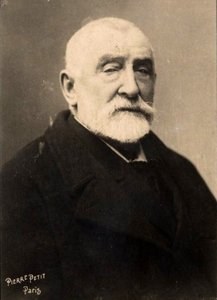
亨利·约瑟夫·阿尔皮尼耶
1819 - 1916 , 法国
艺术家简介
- 代表作品:
- 卢瓦尔河畔的傍晚
- 乌鸦
- 夜晚
- 卢瓦尔河
- 圣普里韦景色
- 出生地: 法国瓦朗谢讷
- 出生日期: 1819年6月28日
- 受此艺术家影响的人物:
- 埃米尔·阿佩
- 詹姆斯·威尔逊·莫里斯
- 国籍: 法国
- 姓名: 亨利-约瑟夫·阿尔皮尼耶
- 影响此艺术家的人物: ['柯罗']
- 艺术运动或风格: 巴比松画派
- 逝世日期: 1916年
相关文章

保罗·塞尚:25幅大师杰作,重塑现代艺术与家居美学 | OriginalUniqueArt
探索保罗·塞尚25幅经典杰作!深入了解后印象派大师的艺术生涯、独特技法与色彩运用。OriginalUniqueArt提供高清油画复制品,为您的家居带来博物馆级艺术体验。立即发现更多名画,点亮生活空间!

Impressionistic Landscapes: 10 Masterpieces That Changed Art & Decor
Journey into the heart of Impressionism! Explore 10 masterpieces by Monet, Renoir & Degas that revolutionized landscape art. Discover their stories, techniques & find museum-quality reproductions to elevate your home decor on OriginalUniqueArt.com.

康斯塔布尔大师之作:25幅传世风景画赏析 | OriginalUniqueArt
探索康斯塔布尔的25幅传世杰作!沉浸于英国田园风光,感受浪漫主义绘画大师的光影与色彩。高清油画复制、艺术品购买尽在OriginalUniqueArt.com,为您的家居增添经典之美。立即在线探索完整系列!

Cultivating Visions: A Historical Journey Through Rural Landscapes in Art
Explore the rich history of rural landscape painting with OriginalUniqueArt. Discover Impressionist masterpieces, key artists & movements. Find your perfect serene artwork and bring nature's beauty home.
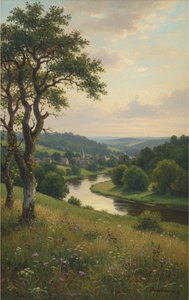
Henri-Joseph Harpignies: Capturing the Poetic Essence of the French Landscape
Explore the serene landscapes of Henri-Joseph Harpignies, a master of the Barbizon School. Discover his atmospheric paintings, recurring themes & enduring legacy in 19th-century French art. Learn more at OriginalUniqueArt.
