
 实景预览
实景预览
 分享
分享 分享
分享
 详情
详情 指南
指南

 下载作品
下载作品
 相似作品
相似作品 X射线
X射线 幻灯片播放
幻灯片播放 Q&A
Q&A 统计数据
统计数据Venus between Ceres and Bacchus

- 402.0 x 287.0 cm


 展开全文
展开全文
艺术微喷/版画
博物馆级艺术微喷或帆布版画,制作高效,并提供多种饰面选择。 ( 订购纯手工绘制画作 切换至数字图像销售渠道)




P118B ¥10

P118H ¥10

P118W ¥10

P438Z ¥10

P508JH ¥12

P508YH ¥12

P805H ¥10

P805Z ¥10

P919BZ ¥10

P919G ¥10

P919XJ ¥10

P959ZH ¥10

P968JZ ¥12

W106C ¥8

W218G ¥10

W218JH ¥8

W218Y ¥10

W307PJ ¥10

W316G ¥10

W316PJ ¥8

W316Y ¥10

W398PJ ¥8

W4111J ¥10

W500HY ¥15

W500JH ¥15

W692G ¥12

W849H ¥8

W940BG ¥15

W953PJ ¥8




您可以从与原作比例一致的预设尺寸中进行选择。

请输入您所需的宽度和高度,以适配您的画框或墙面。由于印刷品只能进行裁剪,无法超出原图尺寸,因此若比例不一致,画面的一部分将会被裁切。在正式印刷之前,我们会为您发送一份数字效果图供您确认。本页面显示的图片并非最终裁剪后的效果——只有效果图才能展示真实的裁剪情况。


 玻璃选项仅适用于110厘米以下的尺寸。

Venus between Ceres and Bacchus
艺术微喷/版画
复刻品尺寸
-


最终结算价
¥ 537
A Divine Interlude: Exploring Venus between Ceres and Bacchus
To gaze upon this magnificent canvas is to step directly into a moment suspended in mythological splendor. Venus between Ceres and Bacchus, painted around 1590 by Hendrik Goltzius, is far more than a mere depiction of classical figures; it is an elaborate tapestry woven from themes of fertility, divine love, and the cyclical nature of life itself. The composition immediately draws the eye into a richly populated scene where three central figures—the goddess Venus, the nurturing Ceres, and the jovial Bacchus—are arranged in a tableau vivant that speaks volumes through its very stillness.
Mythological Resonance and Symbolism
The grouping of these deities is inherently symbolic. Venus, embodying beauty and desire, occupies the heart of the narrative, flanked by two powerful forces of nature and sustenance. Ceres, goddess of agriculture and motherhood, represents the bounty of the earth, while Bacchus, the god of wine and ecstasy, speaks to pleasure and vital energy. The inclusion of these figures suggests a harmonious balance—a divine acknowledgment that beauty (Venus) thrives when supported by both earthly nourishment (Ceres) and spirited joy (Bacchus). Scattered throughout the scene are carefully placed objects: a delicate cup, an ornate bowl, and a central vase. These items are not incidental; they function as visual anchors, hinting at rituals, offerings, and the pleasures that accompany life's most profound experiences.
Mastery of the Northern Mannerist Style
Hendrik Goltzius, a titan of the late Renaissance and early Baroque period, imbues this work with his signature "exuberance." While rooted in classical mythology, the execution showcases the sophisticated flair characteristic of Northern Mannerism. Goltzius was renowned for his technical virtuosity, translating the drama and complexity often associated with Italian High Renaissance masters into a distinctly German-Dutch sensibility. Observe the figures: their poses are dynamic yet elegantly composed, suggesting an underlying narrative tension beneath the surface calm. The presence of three angels in the background further elevates the scene from a simple gathering to an apotheosis—a moment blessed by celestial intervention.
Technique and Visual Impact for the Modern Collector
The sheer scale of this piece, measuring 402 x 287 cm, commands attention, making it a breathtaking focal point for any grand hall or gallery. The richness of Goltzius's technique allows for intricate detailing in the drapery, the musculature, and the symbolic accoutrements. For those seeking to bring this level of historical grandeur into their own space, acquiring a high-quality hand-painted reproduction offers an unparalleled opportunity. It allows one to connect intimately with the master’s brushwork—the subtle gradations of tone, the dramatic interplay of light across bare skin, and the deep saturation of the background elements—without the monumental commitment of the original masterpiece.
An Emotional Echo Across Centuries
Ultimately, Venus between Ceres and Bacchus resonates because it speaks to universal human concerns: the pursuit of beauty, the necessity of sustenance, and the celebration of life's fleeting joys. It is a visual meditation on abundance. Owning or displaying a reproduction of this work is not merely decorating; it is curating an atmosphere steeped in classical mythology, artistic genius, and enduring, divine harmony.
常见问题与解答
亨德里克·戈尔齐乌斯 的《Venus between Ceres and Bacchus》 的色彩和谐度如何?
"Venus between Ceres and Bacchus" 的色彩和谐度评分为 Unified Palette。
亨德里克·戈尔齐乌斯 的《Venus between Ceres and Bacchus》 描绘了什么内容?
"Venus between Ceres and Bacchus" 的描绘主题为 venus, bacchus, ceres, nude figures, mythology, angels, classical art。
我可以在全屏幻灯片模式下观看“Venus between Ceres and Bacchus”吗?
可进行幻灯片浏览:查看 亨德里克·戈尔齐乌斯 的《Venus between Ceres and Bacchus》 的 幻灯片展示 页面。
艺术家简介
早年生活与艺术启蒙
亨德里克·戈尔齐乌斯(Hendrick Goltzius)是一位出生于德国的荷兰版画家、素描家及画家,他于1558年1月或2月降生。作为早期巴洛克时期或北方风格主义(Northern Mannerism)中最为杰出的荷兰雕刻大师,他因其精湛的技艺和构图中的“丰盈感”而备受赞誉。正如学者A. Hyatt Mayor所言,戈尔齐乌斯是“最后一位能以优秀画家的权威感进行素描的专业雕刻师,也是最后一位通过原创图像供他人临摹的大师”。三岁时,戈尔齐乌斯的家族迁往杜伊斯堡;在跟随父亲学习玻璃绘画之后,他师从荷兰博学家迪尔克·沃尔克特佐恩·科恩赫特(Dirck Volckertszoon Coornhert),正式踏入了雕刻艺术的大门。艺术生涯的辉煌
1577年,戈尔 尔齐乌斯追随科恩赫特移居至荷兰共和国的哈勒姆,并在此定居终生。他曾受雇于菲利普·加莱(Philip Galle),负责雕刻一套关于卢克雷蒂亚历史的版画集。命运在某种程度上赋予了他独特的艺术天赋:由于婴儿时期的一场火灾,他的右手发生了畸形,然而这种身体特征却出人意料地契合了握持推刀(burin)的手感。正是这种独特的生理构造,使他能够驾驭极具力量感的线条律动,从而赋予其版画作品极其鲜明的辨识度。亨德里克·戈尔齐乌斯将“扩张线条”(swelling line)技法提升到了前所未有的高度——通过精准操控推刀使线条忽粗忽细,从而在远距离观察时也能营造出丰富的色调效果。技艺与艺术风格
戈尔齐乌斯还是“点与菱形”(dot and lozengg)技法的先驱,他巧妙地在排线形成的菱形空间中心点缀圆点,以此进一步精细化明暗阴影的过渡。传闻他对推刀的掌控力足以媲美丢勒(Dürer),他曾通过雕刻巴托洛梅乌斯·斯普兰格的绘画作品,不仅提升了后者的名望,也成就了自己的艺术地位。戈尔齐乌斯直到四十二岁才开始尝试油画创作,其部分绘画作品现存于维也纳。此外,他还创作了几幅极具表现力的明暗对比木刻版画。馆藏珍品与艺术遗产
如今,世界各大主要的版画收藏室中都能寻觅到戈尔齐乌斯杰作的身影,其中包括博伊曼斯·范·伯宁恩博物馆、阿姆斯特丹国家博物馆以及大都会艺术博物馆。他的艺术遗产在后世艺术家身上清晰可见,例如同样是北方风格主义版画大师的雅克·贝朗热。戈尔齐乌斯的版画与绘画作品至今仍持续激励着艺术爱好者与学者,您可以在OriginalUniqueArt.com以及专门介绍其生平事迹的维基百科词条中深入探索他的艺术世界。- 戈尔齐乌斯的一些代表作包括:朱庇特、密涅瓦以及先知巴鲁克
- 收藏其作品的博物馆:洛杉矶郡立艺术博物馆、费城艺术博物馆以及大英博物馆
- 戈尔齐乌斯使用的技法:“扩张线条”与“点与菱形”技法

亨德里克·戈尔齐乌斯
1558 - 1617 , 意大利
艺术家简介
- Artistic Movement Or Style: 北方风格主义与巴洛克版画
- Artists Or Movements Influenced By This Artist: ['雅克·贝兰热']
- Artists Who Influenced This Artist:
- 迪尔克·沃尔克特佐恩·科恩赫特
- 巴托洛梅乌斯·施潘格
- Date Of Birth: 1558年1月或2月
- Full Name: 亨德里克·戈尔齐乌斯
- Nationality: 荷兰
- Notable Artworks:
- 牧羊人的朝拜
- 阿卡迪亚风景
- 塞壬之首
- 赫拉克勒斯杀死卡库斯
- 德摩戈贡与众神
- 贝威神庙的阿波罗
- 最后的晚餐
- 弗里斯,弗雷德里克·德 (1613年去世)
- Place Of Birth: 意大利,不伦瑞克
相关文章

Hendrick Goltzius: Master Engraver & the Flourishing of Dutch Mannerism
Explore the life & art of Hendrick Goltzius, a master engraver of Dutch Mannerism. Discover his innovative techniques, iconic engravings like 'Jahel', and lasting influence on Baroque art. Learn about collecting Goltzius today.

The Intricate World of Engraving: A Historical Survey of Technique, Artistic Expression & Enduring Legacy
Explore the rich history of engraving with OriginalUniqueArt. Discover techniques, iconic artists like Dürer & Callot, collecting tips, and expert guidance for preserving your art investment. Learn about intaglio printing & more!

The Precision of the Burin: An Expert Guide to the High-Impact World of Masterful Engraving Art
Discover the sharp, high-impact world of engraving art. Our expert guide explores intaglio techniques, the mastery of the burin, and how collectors can appreciate the precision and enduring legacy of this profound graphic art form.
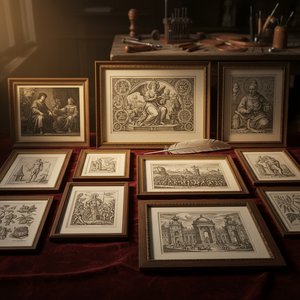
Engraving's Golden Age: 10 Masterpieces That Redefined Art | OriginalUniqueArt
Journey through art history with our Top 10 Legendary Engravings! Explore masterpieces by Dürer, Rembrandt & Goya. Discover the stories behind these iconic prints and find museum-quality reproductions for your home at OriginalUniqueArt.com.

Engraving: A Historical Survey of Technique, Artistic Expression & Enduring Legacy
Explore the rich history of engraving with OriginalUniqueArt. Discover techniques, iconic artists like Dürer & Callot, collecting tips, and expert guidance for preserving your art investment. Learn about intaglio printing & more!