
 实景预览
实景预览
 分享
分享 分享
分享
 详情
详情 指南
指南

 下载作品
下载作品
 相似作品
相似作品 X射线
X射线 幻灯片播放
幻灯片播放 问答
问答 统计数据
统计数据Fall of Man

- 204.0 x 134.0 cm


 展开全文
展开全文
艺术微喷/版画
博物馆级艺术微喷或帆布版画,制作高效,并提供多种饰面选择。 ( 订购纯手工绘制画作 切换至数字图像销售渠道)




P118B ¥10

P118H ¥10

P118W ¥10

P438Z ¥10

P508JH ¥12

P508YH ¥12

P805H ¥10

P805Z ¥10

P919BZ ¥10

P919G ¥10

P919XJ ¥10

P959ZH ¥10

P968JZ ¥12

W106C ¥8

W218G ¥10

W218JH ¥8

W218Y ¥10

W307PJ ¥10

W316G ¥10

W316PJ ¥8

W316Y ¥10

W398PJ ¥8

W4111J ¥10

W500HY ¥15

W500JH ¥15

W692G ¥12

W849H ¥8

W940BG ¥15

W953PJ ¥8




您可以从与原作比例一致的预设尺寸中进行选择。

请输入您所需的宽度和高度,以适配您的画框或墙面。由于印刷品只能进行裁剪,无法超出原图尺寸,因此若比例不一致,画面的一部分将会被裁切。在正式印刷之前,我们会为您发送一份数字效果图供您确认。本页面显示的图片并非最终裁剪后的效果——只有效果图才能展示真实的裁剪情况。


 玻璃选项仅适用于110厘米以下的尺寸。

Fall of Man
艺术微喷/版画
复刻品尺寸
-


最终结算价
¥ 543
A Descent into Shadow and Desire: Hendrick Goltzius’s “Fall of Man”
Hendrik Goltzius's "Fall of Man," painted in 1608, isn’t merely a depiction of a biblical narrative; it’s a masterclass in Northern Mannerism—a visual embodiment of human temptation, regret, and the poignant loss of innocence. This meticulously rendered scene, measuring 204 x 134 cm, transports us to the Garden of Eden, not as a paradise of idyllic beauty, but as a stage for a profound emotional drama. Goltzius, a pivotal figure in the transition from engraving to painting, masterfully employs dramatic chiaroscuro—a stark contrast between light and dark—to sculpt the figures and imbue the composition with an almost theatrical intensity. The elongated forms, characteristic of Mannerism, lend a sense of heightened emotion and psychological depth, while the subtle details, from the texture of Adam’s skin to the delicate veins in the leaves, reveal Goltzius's extraordinary technical skill.
The painting centers on Adam and Eve, rendered with an arresting realism that belies their mythological status. They are not presented as naive figures but as individuals grappling with a momentous decision. Eve’s hand, reaching towards Adam, is particularly captivating – a gesture of both desire and apprehension. The positioning of the couple, reclining near the imposing apple tree, immediately draws the eye, establishing a clear visual hierarchy that emphasizes their vulnerability and impending doom. Noticeably absent are any overt signs of punishment or divine judgment; instead, Goltzius focuses on the immediate emotional consequences of their transgression – the burgeoning awareness of their own nakedness and the nascent stirrings of desire.
The Language of Symbolism: Apples, Cherubs, and the Serpent’s Whisper
At the heart of the composition lies the apple itself—a potent symbol of temptation and forbidden knowledge. Its crimson hue explodes against the muted tones of the surrounding landscape, immediately arresting the viewer's attention. The inclusion of two cherubs nestled amongst the foliage adds a layer of mythological complexity, hinting at the divine presence that has been irrevocably disrupted by Adam and Eve’s actions. These winged figures, often associated with innocence and protection, now seem to witness the unfolding tragedy with a sense of sorrow or perhaps even judgment. The subtle suggestion of a serpent coiled within the branches of the tree—a visual echo of the biblical narrative—further reinforces the theme of deception and the allure of transgression.
Technique and Artistic Process: A Master of Detail
Goltzius’s technical prowess is evident in every brushstroke. The painting was likely executed using oil paints on panel, a medium that allowed for the rich textures and subtle color variations he so skillfully employed. The smooth blending of colors creates an illusion of depth and volume, while the meticulous rendering of Adam and Eve's musculature demonstrates his deep understanding of human anatomy. Close examination reveals the use of glazes—thin layers of translucent paint applied over dried underlayers—to achieve a luminous quality and enhance the sense of realism. The directional lines carved into the branches of the tree not only guide the viewer’s eye through the composition but also contribute to the overall feeling of drama and movement.
A Window into the 17th Century: Northern Mannerism and Beyond
"Fall of Man" stands as a powerful testament to the artistic sensibilities of the early Baroque period. Goltzius’s work exemplifies the key characteristics of Northern Mannerism—a style known for its elongated figures, dramatic lighting, and intense emotional expression. The painting reflects the intellectual currents of the time, grappling with themes of sin, redemption, and the human condition. It's a poignant reminder of our shared origins and the enduring power of storytelling to illuminate the complexities of morality and desire. Reproductions of this evocative artwork offer a unique opportunity to bring this masterpiece into your home or office, allowing you to contemplate its timeless message and appreciate Goltzius’s extraordinary artistic vision.
常见问题与解答
亨德里克·戈尔齐乌斯 的《Fall of Man》 的技法与风格具有哪些特征?
亨德里克·戈尔齐乌斯 的《Fall of Man》 将 Oil On Canvas 技法与 Northern Mannerism 流派风格完美融合。技法与流派分别描述了作品的创作手法及其艺术风格。
对于 亨德里克·戈尔齐乌斯 的《Fall of Man》,有哪些推荐的用途和陈列空间?
针对 亨德里克·戈尔齐乌斯 的《Fall of Man》,我们为您提供以下两项建议:用途为 (Statement),适宜空间为 (Living Room)。
我可以在这里订购"Fall of Man"的油画复制品吗?
亨德里克·戈尔齐乌斯 的《Fall of Man》 的手绘复制品正在 本站 发售,您可以通过其 手工油画复刻 页面进行订购:亚麻画布手工油画复制品。
艺术家简介
早年生活与艺术启蒙
亨德里克·戈尔齐乌斯(Hendrick Goltzius)是一位出生于德国的荷兰版画家、素描家及画家,他于1558年1月或2月降生。作为早期巴洛克时期或北方风格主义(Northern Mannerism)中最为杰出的荷兰雕刻大师,他因其精湛的技艺和构图中的“丰盈感”而备受赞誉。正如学者A. Hyatt Mayor所言,戈尔齐乌斯是“最后一位能以优秀画家的权威感进行素描的专业雕刻师,也是最后一位通过原创图像供他人临摹的大师”。三岁时,戈尔齐乌斯的家族迁往杜伊斯堡;在跟随父亲学习玻璃绘画之后,他师从荷兰博学家迪尔克·沃尔克特佐恩·科恩赫特(Dirck Volckertszoon Coornhert),正式踏入了雕刻艺术的大门。艺术生涯的辉煌
1577年,戈尔 尔齐乌斯追随科恩赫特移居至荷兰共和国的哈勒姆,并在此定居终生。他曾受雇于菲利普·加莱(Philip Galle),负责雕刻一套关于卢克雷蒂亚历史的版画集。命运在某种程度上赋予了他独特的艺术天赋:由于婴儿时期的一场火灾,他的右手发生了畸形,然而这种身体特征却出人意料地契合了握持推刀(burin)的手感。正是这种独特的生理构造,使他能够驾驭极具力量感的线条律动,从而赋予其版画作品极其鲜明的辨识度。亨德里克·戈尔齐乌斯将“扩张线条”(swelling line)技法提升到了前所未有的高度——通过精准操控推刀使线条忽粗忽细,从而在远距离观察时也能营造出丰富的色调效果。技艺与艺术风格
戈尔齐乌斯还是“点与菱形”(dot and lozengg)技法的先驱,他巧妙地在排线形成的菱形空间中心点缀圆点,以此进一步精细化明暗阴影的过渡。传闻他对推刀的掌控力足以媲美丢勒(Dürer),他曾通过雕刻巴托洛梅乌斯·斯普兰格的绘画作品,不仅提升了后者的名望,也成就了自己的艺术地位。戈尔齐乌斯直到四十二岁才开始尝试油画创作,其部分绘画作品现存于维也纳。此外,他还创作了几幅极具表现力的明暗对比木刻版画。馆藏珍品与艺术遗产
如今,世界各大主要的版画收藏室中都能寻觅到戈尔齐乌斯杰作的身影,其中包括博伊曼斯·范·伯宁恩博物馆、阿姆斯特丹国家博物馆以及大都会艺术博物馆。他的艺术遗产在后世艺术家身上清晰可见,例如同样是北方风格主义版画大师的雅克·贝朗热。戈尔齐乌斯的版画与绘画作品至今仍持续激励着艺术爱好者与学者,您可以在OriginalUniqueArt.com以及专门介绍其生平事迹的维基百科词条中深入探索他的艺术世界。- 戈尔齐乌斯的一些代表作包括:朱庇特、密涅瓦以及先知巴鲁克
- 收藏其作品的博物馆:洛杉矶郡立艺术博物馆、费城艺术博物馆以及大英博物馆
- 戈尔齐乌斯使用的技法:“扩张线条”与“点与菱形”技法

亨德里克·戈尔齐乌斯
1558 - 1617 , 意大利
艺术家简介
- Artistic Movement Or Style: 北方风格主义与巴洛克版画
- Artists Or Movements Influenced By This Artist: ['雅克·贝兰热']
- Artists Who Influenced This Artist:
- 迪尔克·沃尔克特佐恩·科恩赫特
- 巴托洛梅乌斯·施潘格
- Date Of Birth: 1558年1月或2月
- Full Name: 亨德里克·戈尔齐乌斯
- Nationality: 荷兰
- Notable Artworks:
- 牧羊人的朝拜
- 阿卡迪亚风景
- 塞壬之首
- 赫拉克勒斯杀死卡库斯
- 德摩戈贡与众神
- 贝威神庙的阿波罗
- 最后的晚餐
- 弗里斯,弗雷德里克·德 (1613年去世)
- Place Of Birth: 意大利,不伦瑞克
相关文章
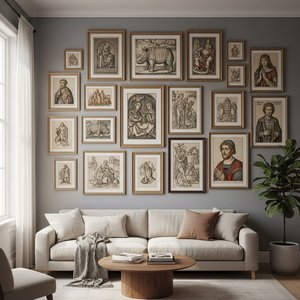
Master of the Renaissance: The Top 25 Greatest Artworks by Albrecht Dürer
Explore 25 iconic German Renaissance masterpieces by Albrecht Dürer. Discover the full collection online at OriginalUniqueArt.com.

达芬奇25幅杰作:艺术、科学与永恒的辉煌 | OriginalUniqueArt
探索达芬奇25幅杰作!深入了解文艺复兴大师列奥纳多·达·芬奇的艺术传奇,欣赏《蒙娜丽莎》、《最后的晚餐》等经典绘画。OriginalUniqueArt.com提供博物馆级复制品和家居装饰灵感。在线探索完整系列!
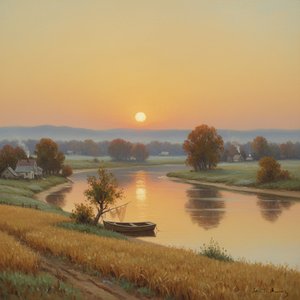
John Ottis Adams: Capturing Rural Indiana's Luminist Spirit
Explore the serene landscapes of John Ottis Adams, a key American Impressionist of the Hoosier Group. Discover his Luminist style & forgotten legacy with OriginalUniqueArt.
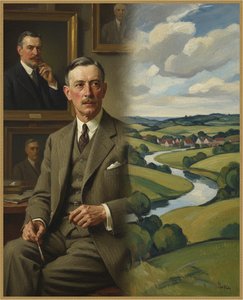
Reginald Grenville Eves: Bridging Portraiture & Modern British Landscape Painting
Explore the life & work of Reginald Grenville Eves, a leading British portraitist who transitioned to captivating landscape painting. Discover his legacy and prominent works at OriginalUniqueArt.

Hendrick Goltzius: Master Engraver & the Flourishing of Dutch Mannerism
Explore the life & art of Hendrick Goltzius, a master engraver of Dutch Mannerism. Discover his innovative techniques, iconic engravings like 'Jahel', and lasting influence on Baroque art. Learn about collecting Goltzius today.