

 实景预览
实景预览
 发送
发送 分享
分享
 详情
详情 指南
指南

 下载图片
下载图片
 相似作品
相似作品 X射线
X射线 幻灯片播放
幻灯片播放 统计数据
统计数据Her Bit
 Acrylic On Canvas
- WallArt
- Japonisme
 1918
1918 17.0 x 12.0 cm
 美國國家藝術博物館
 阅读全文
阅读全文
艺术微喷/版画
博物馆级艺术微喷或帆布版画,制作高效,并提供多种饰面选择。 ( 订购此收藏品的纯手工复刻画作 切换至数字图像销售渠道)




P118B ¥10

P118H ¥10

P118W ¥10

P438Z ¥10

P508JH ¥12

P508YH ¥12

P805H ¥10

P805Z ¥10

P919BZ ¥10

P919G ¥10

P919XJ ¥10

P959ZH ¥10

P968JZ ¥12

W106C ¥8

W218G ¥10

W218JH ¥8

W218Y ¥10

W307PJ ¥10

W316G ¥10

W316PJ ¥8

W316Y ¥10

W398PJ ¥8

W4111J ¥10

W500HY ¥15

W500JH ¥15

W692G ¥12

W849H ¥8

W940BG ¥15

W953PJ ¥8




您可以从与原作比例一致的预设尺寸中进行选择。

请输入您所需的宽度和高度,以适配您的画框或墙面。由于印刷品只能进行裁剪,无法超出原图尺寸,因此若比例不一致,画面的一部分将会被裁切。在正式印刷之前,我们会为您发送一份数字效果图供您确认。本页面显示的图片并非最终裁剪后的效果——只有效果图才能展示真实的裁剪情况。


 玻璃选项仅适用于110厘米以下的尺寸。

Her Bit
艺术微喷/版画
复刻品尺寸说明
-


总计金额
¥ 538
Helen Hyde’s “Her Bit” – A Reflection of Resilience Amidst Wartime San Francisco
Helen Hyde's etching, "Her Bit," created in 1918 during the tumultuous years of World War I, stands as a poignant testament to both artistic innovation and the spirit of perseverance within a city grappling with profound societal shifts. Produced shortly after Hyde’s transformative journey to Japan—a formative experience that irrevocably shaped her aesthetic sensibilities—the artwork captures a quiet moment of contemplation against the backdrop of San Francisco's Chinatown, offering viewers an intimate glimpse into a period defined by uncertainty and aspiration.Style and Technique: Japonism Influenced Etching
Hyde’s artistic approach is firmly rooted in Japonism, a movement that championed Japanese art and culture within European circles at the turn of the century. This influence manifests itself most notably in the etching's subtle tonal gradations—a technique honed during her studies with Emil Carlsen—which emulate the layered textures characteristic of Japanese woodblock prints (ukiyo-e). The artist skillfully utilizes drypoint needles to create lines that retain a velvety surface, resulting in an image imbued with depth and nuance. Unlike traditional etching, where acid resists ink removal, Hyde employed a process that allowed for greater control over tonal variations, mirroring the delicate balance between light and shadow found in Japanese landscapes.Historical Context: San Francisco’s Chinatown During Wartime
“Her Bit” is inextricably linked to the socio-political landscape of San Francisco during World War I. The city's Chinatown was experiencing significant growth and attracting immigrants from China fleeing persecution under Mao Zedong’s rise to power, creating a vibrant yet vulnerable community facing challenges related to economic hardship and social prejudice. Hyde’s depiction of a young girl holding a coat symbolizes not only warmth and protection but also the enduring strength of familial bonds amidst adversity—a theme resonating powerfully with the anxieties of the era. The etching serves as a visual chronicle of this period, capturing the everyday life of ordinary people striving for normalcy in extraordinary circumstances.Symbolism: Quiet Strength and Observation
The composition itself is laden with symbolic significance. The girl’s posture exudes confidence despite her apparent vulnerability—a deliberate choice reflecting Hyde's fascination with Japanese aesthetics that prioritize understated beauty and contemplative reflection. Her gaze directs towards the viewer, inviting engagement and prompting introspection about themes of resilience and inner peace. Furthermore, the inclusion of the coat represents not merely clothing but also a shield against hardship, mirroring the broader spirit of fortitude prevalent during wartime—a visual metaphor for safeguarding one's values and maintaining composure amidst turbulent times.Emotional Impact: A Momentary Pause Amidst Change
Ultimately, “Her Bit” transcends mere representation; it communicates an emotional resonance that lingers with the viewer. Hyde’s masterful use of tonal etching creates a serene atmosphere, contrasting sharply with the anxieties of the time. The artwork evokes feelings of compassion and admiration for the quiet dignity of human experience—a reminder that beauty can be found even in moments of difficulty. It stands as a timeless meditation on perseverance, observation, and the enduring power of artistic vision to capture the essence of a particular place and period, cementing Hyde’s legacy as one of San Francisco's most perceptive chroniclers of its cultural milieu.艺术家简介
早年生活与教育
- 出生:纽约州利马 (1868年4月6日)
- 逝世:加利福尼亚州帕萨迪纳 (1919年5月13日)
- 海伦·海德的艺术之旅始于幼年。十二岁时,她便开始接受来自费迪南德·理查特(Ferdinand Richardt)的初步艺术指导。
- 随着家人迁往旧金山,她在加州设计学院继续深造,拓宽了艺术视野。
- 随后,她的求学足迹延伸至欧洲,在柏林与巴黎期间,她师从弗朗茨·斯卡比纳(Franz Skarbina)、拉斐尔·科林(Raphael Collin)以及费利克斯·雷加梅(Félix Régamey)。
- 正是雷加梅那丰富的日本艺术收藏,深刻地影响了海德的艺术走向,引领她走入了“日本主义”的大门。
艺术发展与影响
- 回到加利福尼亚后,海德开始尝试彩色蚀刻技法,并着手描绘旧金山唐人街的生动场景。
- 1899年的一次日本之旅成为了她艺术生涯的转折点,在那里,她全身心地沉浸在日本文化与艺术技艺之中。
- 她向狩野友信学习传统的墨绘技法,并从埃米尔·卡尔森(Emil Carlsen)那里掌握了木版画的精髓。
- 核心影响:日本主义、玛丽·卡萨特(Mary Cassatt)的版画,以及她在日本期间所接触到的传统日本艺术形式。
- 她的艺术风格将西方的艺术训练与日本的美学底蕴完美融合,创造出一种独特的视觉语言。
代表作品与技法
- 著名作品:《日本君主》(1901)、《婴儿絮语》(1909)、《索萨利托》、《踏桥》以及《她的角色》。
- 艺术技法:海德主要以其彩色蚀刻和木版画闻名。在日本期间,她采用了分工协作的制作模式,聘请日本雕刻师与印刷师共同完成作品。
- 《日本君主》在1901年的日本绘画协会展览中荣获一等奖。
- 《婴儿絮语》则在1909年的阿拉斯加-育空-太平洋博览会上斩获金奖。
- 她的版画作品常以日本妇女与儿童为主题,细腻地捕捉并反映了她对日本日常生活及文化传统的迷恋。
成就与认可
- 展览:海德的作品曾在国内外广泛展出,赢得了极高的声誉。
- 奖项:她的版画作品屡获殊荣,包括在阿拉斯加-育空-太平洋博览会以及巴拿马-太平洋国际博览会上获得的各类奖章。
- 馆藏:她的杰作现收藏于世界各大顶尖机构,如布鲁克林博物馆、芝加哥艺术博物馆、美国国会图书馆以及史密森尼美国艺术博物馆。
- 协会成员:她曾是多个艺术团体的成员,包括芝加哥蚀刻艺术家协会和加利福尼亚版画家协会。
历史意义
- 海伦·海德在连接西方与日本艺术传统方面发挥了举足轻重的作用。
- 她对彩色蚀刻与木版画技法的创新运用,极大地推动了美国版画艺术的发展。
- 作为日本主义运动中最杰出的美国艺术家之一,她的地位无可撼动。
- 海德笔下的日本生活图景,为研究那个文化交流与艺术创新的时代提供了宝贵的视角。
- 她的艺术遗产至今仍持续激励着当代艺术家与收藏家,其作品在艺术市场上依然备受追捧。

海伦·海德
1868 - 1919 , 美国
快速概览
- Artistic Movement Or Style: 彩色蚀刻画, 木版画
- Artists Who Influenced This Artist:
- Franz Skarbina
- Raphael Collin
- Félix Régamey
- Emil Carlsen
- 狩野丰信
- Date Of Birth: 1868年4月6日
- Date Of Death: 1919年5月13日
- Full Name: 海伦·海德
- Nationality: 美国
- Notable Artworks:
- 日本君主
- 婴儿语
- 索萨利托
- 人行天桥
- 她的角色
- Place Of Birth: 美国利马
相关文章
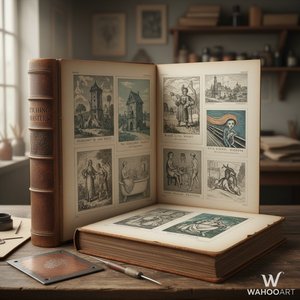
Etching Masters: 10 Legendary Prints That Revolutionized Art | OriginalUniqueArt
Journey through 10 legendary etching masterpieces by Rembrandt, Dürer & Goya. Explore the history of printmaking and discover timeless art for your home. Find museum-quality reproductions at OriginalUniqueArt.com.

Helen Hyde: Narrative & Symbolism in Contemporary Botanical Illustration
Explore the captivating world of Helen Hyde (1868-1919), a pioneering American artist renowned for her exquisite Japanese woodblock prints and evocative botanical illustrations. Discover her legacy & symbolism.

蝕刻艺术的历史巡礼:技法、美学特征与持久的艺术意义
深入探索蚀刻艺术的历史、技法与大师之作。专业分析光影线条美学,了解伦勃朗、丢勒等大师的创作秘诀。OriginalUniqueArt.com为您提供高品质油画复制和定制服务,重现经典艺术!

The Intricate World of Etching: A Historical Survey of Technique, Aesthetic Evolution, and Enduring Artistic Impact
Explore the rich history of etching, from its origins to modern practice. Discover techniques, key artists like Rembrandt, and insights for collectors. A comprehensive guide by OriginalUniqueArt.

戈雅大师25幅杰作:西班牙灵魂的艺术之旅| OriginalUniqueArt
探索戈雅大师的25幅杰作!深入了解西班牙绘画巨匠Francisco Goya的艺术世界,从洛可可到浪漫主义风格,感受黑加仑时代的情感力量。OriginalUniqueArt.com提供高品质油画复制品和家居装饰灵感。立即在线发现所有名画!