

 实景预览
实景预览
 发送
发送 分享
分享
 详情
详情 指南
指南

 下载图片
下载图片
 相似作品
相似作品 X射线
X射线 幻灯片播放
幻灯片播放 统计数据
统计数据Christ Carrying the Cross
 Tempera
- Early Netherlandish Painting
 1437
1437 148.0 x 140.0 cm
 柏林州立博物馆
 阅读全文
阅读全文
艺术微喷/版画
博物馆级艺术微喷或帆布版画,制作高效,并提供多种饰面选择。 ( 订购此收藏品的纯手工复刻画作 切换至数字图像销售渠道)




P118B $10

P118H $10

P118W $10

P438Z $10

P508JH $12

P508YH $12

P805H $10

P805Z $10

P919BZ $10

P919G $10

P919XJ $10

P959ZH $10

P968JZ $12

W106C $8

W218G $10

W218JH $8

W218Y $10

W307PJ $10

W316G $10

W316PJ $8

W316Y $10

W398PJ $8

W4111J $10

W500HY $15

W500JH $15

W692G $12

W849H $8

W940BG $15

W953PJ $8




您可以从与原作比例一致的预设尺寸中进行选择。

您可以输入自定义尺寸,以适配特定的画框或空间。如果您选择的尺寸与原图比例不符,我们将对作品进行裁剪,或通过镜像填充/纯色填充边缘的方式来扩展图像。在开始制作之前,我们会向您发送一份数字效果图供您确认。
请注意,屏幕上的预览并不能反映实际的裁剪或扩展效果。只有效果图才能准确展示最终的构图。
虽然我们提供定制尺寸,但为了保持原图比例,我们建议您从预设列表中选择尺寸。


 玻璃选项仅适用于110厘米以下的尺寸。

Christ Carrying the Cross
艺术微喷/版画
复刻品尺寸说明
-


总计金额
$ 80
A Window Into Bosch’s Pessimistic Vision: Christ Carrying the Cross
Hieronymus Bosch’s “Christ Carrying the Cross,” housed in Ghent Cathedral, stands as one of his most arresting depictions of Christian iconography—a painting that transcends mere representation to embody a profound meditation on suffering and mortality. Completed around 1510-1535, during Bosch's twilight years, this artwork exemplifies his signature style: grotesque realism infused with moral allegory.
- Style & Technique: Bosch’s meticulous attention to detail—evident in the expressive faces of the onlookers and the unsettling depiction of Christ’s burden—contrasts sharply with idealized Renaissance portraits. The painting utilizes tempera on fir wood, a technique favored by Bosch for its luminosity and durability. Layers of glaze contribute to an ethereal quality, highlighting textures and creating dramatic chiaroscuro effects.
- Historical Context: Painted amidst the burgeoning humanist movement in Europe, “Christ Carrying the Cross” reflects anxieties about faith and morality prevalent during the Reformation era. Bosch’s unflinching portrayal of human folly—represented by the judgmental stares and grotesque expressions of the crowd—served as a critique of societal hypocrisy.
- Symbolism: The painting is replete with symbolic imagery. Christ's agonizing posture symbolizes divine sacrifice, while the multitude of figures surrounding him represent humanity’s complicity in sin. The swords symbolize judgment and divine retribution, emphasizing the inescapable consequences of earthly transgressions. Notably, the shield at the bottom right corner bears a depiction of Saint Jerome—a patron saint of contemplation—suggesting an invitation to introspection.
- Emotional Impact: Bosch deliberately evokes feelings of unease and pity. The artist’s masterful manipulation of color and composition compels viewers to confront uncomfortable truths about human nature and the fragility of existence. “Christ Carrying the Cross” remains a powerful reminder of the enduring themes of suffering, redemption, and moral responsibility.
The Influence of Early Netherlandish Painting
Bosch’s artistic vision was undeniably shaped by the stylistic innovations emerging from Northern Europe during his time—particularly the influence of Early Netherlandish painting. Artists like Rogier van der Weyden and Gerard David pioneered a new approach to depicting religious subjects, prioritizing anatomical accuracy and psychological realism over stylized grandeur.
- Anatomical Precision: Bosch’s depiction of Christ's musculature—a deliberate departure from traditional representations—reflects the meticulous anatomical studies conducted by artists in Leuven and Bruges. These investigations into human anatomy informed a broader trend toward naturalistic observation within the visual arts.
- Psychological Depth: The expressive faces of the onlookers convey profound emotional states—ranging from disdain to compassion—demonstrating Bosch’s commitment to capturing the complexities of human psychology. This emphasis on psychological realism aligns seamlessly with the humanist preoccupation with understanding the inner workings of the human mind.
A Masterpiece of Moral Allegory
"Christ Carrying the Cross" is not merely a visual spectacle; it’s a profound meditation on moral principles—a testament to Bosch's unwavering belief in the importance of confronting uncomfortable truths about human behavior. The artist employs grotesque imagery and caricature to expose societal failings, prompting viewers to contemplate their own ethical responsibilities.
- Moral Critique: Bosch’s deliberate distortion of facial expressions serves as a scathing indictment of moral complacency—challenging audiences to examine their judgments and prejudices. This subversive impulse distinguishes Bosch from many of his contemporaries who sought to uphold idealized notions of virtue.
- Universal Themes: Despite its specific historical context, “Christ Carrying the Cross” speaks to universal themes of suffering, redemption, and divine justice—resonating across cultures and epochs. Bosch’s enduring legacy lies in his ability to provoke contemplation and inspire moral reflection.
Technical Considerations & Restoration Efforts
The painting underwent a significant restoration process in 1956–1957, undertaken by conservators at Ghent Cathedral. During this intervention, experts meticulously cleaned the surface of grime and varnish—revealing the original colors beneath—and stabilized weakened structural elements.
- Glaze Analysis: Detailed analysis of the painting’s glaze layers illuminated the techniques employed by Bosch’s workshop—demonstrating a mastery of layering pigments to achieve luminous effects. Researchers utilized X-ray fluorescence spectroscopy to determine the elemental composition of the glazes, providing invaluable insights into the artist's palette.
- Structural Stabilization: Conservators reinforced the wooden frame and addressed cracks in the panel—ensuring the painting’s preservation for future generations. These efforts underscored the importance of safeguarding cultural heritage and upholding ethical standards of conservation.
Contemporary Interpretations & Artistic Legacy
"Christ Carrying the Cross" continues to inspire artists and scholars alike—serving as a focal point for ongoing debates about Bosch’s artistic intentions and stylistic innovations. Its haunting imagery and moral profundity resonate powerfully with audiences today, prompting reflection on fundamental questions concerning faith, morality, and human existence.
- Influence on Surrealism: Bosch's unsettling vision exerted considerable influence on Surrealist artists—particularly André Breton—who embraced his penchant for dreamlike imagery and grotesque symbolism. Surrealists sought to liberate the subconscious mind from rational constraints—drawing inspiration from Bosch’s exploration of irrational forces.
- Enduring Relevance: Despite its fifteenth-century origins, “Christ Carrying the Cross” retains an enduring relevance—serving as a timeless reminder of humanity's capacity for both compassion and cruelty. Its artistic legacy persists in contemporary art exhibitions and scholarly publications—affirming Bosch’s position as one of the most influential figures in European Renaissance painting.
艺术家简介
德国写实主义的先驱:汉斯·穆尔茨舍尔的生平与艺术
大约于1400年出生在巴伐利亚的小镇赖兴霍芬(现为莱特基希·伊姆·阿尔高的一部分),汉斯·穆尔茨舍尔作为连接德国晚期哥特式风格与新兴文艺复兴时期的关键人物脱颖而出。尽管关于他早年生活的确切细节仍然匮乏,但可以肯定的是,穆尔茨舍尔拥有一种求知欲极强的精神和敏锐的艺术创新眼光。他并非仅仅被动地吸收流行趋势,而是积极寻求新的影响,通过远行深刻地塑造了他独特的审美愿景。这些旅程很可能带他前往了法国北部和尼德兰的艺术中心,使他接触到了早期尼德兰绘画所特有的写实主义与细腻细节——这种风格后来成为了他作品的定义性特征。1427年,穆尔茨舍尔成为多瑙河畔繁荣商业枢纽乌尔姆的自由市民,这标志着他职业生涯的转折点。在那里,他迎娶了阿德海德·基钦,并与兄弟海因里希共同创立了一个工作室,凭借其创新的雕塑和绘画作品迅速声名鹊起。工作室与艺术发展
穆尔茨舍尔的工作室不仅仅是一个生产场所,更是一个艺术实验的熔炉。汉斯领导着一支规模庞大的团队——记录显示他有时拥有多达十六名助手——营造出一种让传统哥特式形式逐渐融入他在旅途中吸收的自然主义氛围。这种融合在他的雕塑作品中尤为明显,其风格从典型的晚期哥特式拉长的身躯和程式化的衣褶,转向了更具解剖学准确性的表现以及更深层次的情感深度。他的绘画作品虽然数量较少,但也展现了同样引人注目的转变。始于1437年的《武尔扎赫祭坛画》便是这种演变风格的见证。这一宏大的项目最初是为武尔扎赫的圣詹姆斯教堂准备的,展示了穆尔茨舍尔对油画——当时一种相对较新的媒介——的高超掌控力,以及他以惊人精度表现纹理、光影的能力。祭坛的面板描绘了基督与圣母玛利亚的一生,每一幕都渗透着一种触手可及的人性色彩,使其区别于早期的虔诚艺术。值得注意的是,穆尔茨舍尔并不局限于宗教题材;他的委托作品还包括世俗作品,例如装饰乌尔姆市政厅东窗的皇帝群像,这证明了他的多才多艺以及对广泛客户群的吸引力。核心作品与持久遗产
除了《武尔扎赫祭坛画》,其他几件作品也巩固了穆尔茨舍尔作为德国最重要艺术家之一的地位。现收藏于法兰克福利比博物馆的《圣玛格达莱娜》雕塑,是他通过雕刻形式传达深邃情感的极佳范例。她忧伤的表情以及对头发和衣物的细腻刻画,揭示了对人类心理的深刻理解。另一件著名作品是《忧患之子》——其副本可见于乌尔姆大教堂——这是一种对基督受难的有力描绘,反映了那个时代的虔诚热忱。这些作品连同他对乌尔姆市政厅的贡献,展示了穆尔茨舍尔在雕塑和绘画两方面的造诣,以及他根据不同语境和赞助人调整风格的能力。他的影响力远超其有生之年;他建立的工作室在他1467年去世后继续繁荣,将他的艺术原则传播到了施瓦本及更远的地方。时代的桥梁
汉斯·穆尔茨舍尔的重要性不仅在于其艺术的美感和技术造诣,更在于他作为变革催化剂的角色。他是首批全面拥抱正在改变北欧艺术的写实主义与自然主义的德国艺术家之一,为后世的文艺复兴大师铺平了道路。他的作品代表了德国艺术发展中的一个关键时刻,标志着从哥特时期的程式化惯例向更具人文主义和观察性的方法的转变。虽然他并未完全抛弃传统形式——在其作品中仍能察觉到哥特式装饰的元素——但他巧妙地将这些元素与新的技术和审美感官相结合,创造出一种独特的艺术语言,这种语言在当时引起了深刻共鸣,并在今天继续吸引着观众。他证明了艺术交流的力量,以及那些敢于挑战传统的人所留下的持久遗产。今日探索穆尔茨舍尔的世界
幸运的是,汉斯·穆尔茨舍尔艺术创作的众多实例得以幸存,让我们能够亲身领略他的天才。德累斯顿的旧大师画廊收藏了令人印象深刻的15至18世纪欧洲绘画,为理解穆尔茨舍尔在艺术史中的地位提供了更广泛的背景。对于那些有兴趣探索其作品高质量复制品的人来说,像OriginalUniqueArt这样的平台提供精心手绘的副本,捕捉了他原作杰作中的细微差别。此外,维基百科和艺术网络画廊(Web Gallery of Art)等资源也提供了宝贵的传记信息和对其艺术风格的详细分析。通过接触这些资源,我们可以继续颂扬汉斯·穆尔茨舍尔的生命与遗产——这位德国写实主义真正的先驱,其艺术在几个世纪后依然能带给我们启发与感动。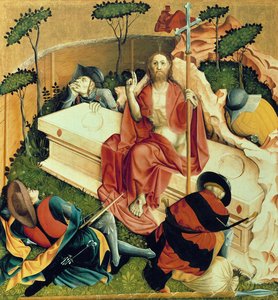
汉斯·穆尔茨舍
1400 - 1467 , 德国
快速概览
- Artistic Movement Or Style: 晚期哥特式/文艺复兴
- Artists Who Influenced This Artist:
- 法国北部风格
- 尼德兰风格
- Date Of Birth: 约 1400年
- Date Of Death: 1467年
- Full Name: 汉斯·穆尔茨舍尔 (Hans Multscher)
- Nationality: 德国
- Notable Artworks:
- 圣玛利亚·玛达肋纳
- 忧患之子
- 皇帝群像
- 武尔扎赫祭坛
- Place Of Birth: 德国,赖兴巴赫
相关文章

The Enduring Legacy of Fine Art Prints: Technique, History & Aesthetic Impact
Explore the rich history & techniques of fine art prints. Discover investment potential, assess authenticity, and learn how to preserve your collection with expert guidance. Trusted insights for discerning collectors.

Echoes of Time: Exploring the Enduring Appeal & Historical Context of Vintage Art Prints
Explore the captivating world of vintage art prints! Discover their history, collecting tips & enduring appeal. Expert insights on chromolithography and building a legacy collection with OriginalUniqueArt.
希罗尼穆斯·博斯:25幅大师级杰作,点亮艺术与家居空间
探索希罗尼穆斯·博斯25幅大师级杰作!深入了解这位荷兰文艺复兴画家的怪诞世界、宗教寓言与象征主义。高清艺术复制品,为您的家居空间带来永恒的艺术灵感。尽在OriginalUniqueArt.com。

高檔藝術品複製技術:Giclée微噴的檔案品質與鑑賞細節
深入了解Giclée微噴技術:檔案品質、色彩還原的專業解析。探索高檔藝術品複製的細節與保存技巧,為您的收藏提供博物館級別的選擇。專家指導,確保完美呈現原作神韻。
Hieronymus Bosch: Decoding the Visions of a Netherlandish Master
Explore the captivating world of Hieronymus Bosch! Delve into the symbolism, religious context, and artistic innovation of this Netherlandish master with OriginalUniqueArt's expert analysis. Discover his iconic paintings & lasting influence.