

 实景预览
实景预览
 发送
发送 分享
分享
 详情
详情 指南
指南

 下载图片
下载图片
 相似作品
相似作品 X射线
X射线 幻灯片播放
幻灯片播放 统计数据
统计数据Seaport


 阅读全文
阅读全文
艺术微喷/版画
博物馆级艺术微喷或帆布版画,制作高效,并提供多种饰面选择。 ( 订购此收藏品的纯手工复刻画作 切换至数字图像销售渠道)




































您可以从与原作比例一致的预设尺寸中进行选择。

请输入您所需的宽度和高度,以适配您的画框或墙面。由于印刷品只能进行裁剪,无法超出原图尺寸,因此若比例不一致,画面的一部分将会被裁切。在正式印刷之前,我们会为您发送一份数字效果图供您确认。本页面显示的图片并非最终裁剪后的效果——只有效果图才能展示真实的裁剪情况。


 玻璃选项仅适用于110厘米以下的尺寸。

Seaport
艺术微喷/版画
复刻品尺寸说明
-


总计金额
¥ 538
问答详情
“Seaport”是如何融入 Hans De Jode 的主题与风格之中的?
"Seaport" 属于 Hans De Jode 的 Romanticism 时期作品,其记录的主题包括 salvator rosa's impact, dutch italianate style, maritime trade & travel, observation of nature, contemplative mood", early 17th-century scene, de jode's adventurous spirit, exploring coastal vistas"。
Hans De Jode 的《Seaport》 属于哪种艺术流派,又处于哪个时代?
"Seaport" 属于 Romanticism 流派,其创作者活跃于 Early Modern 时期。
Hans De Jode 的《Seaport》 是在何时创作的?
"Seaport"创作于1657年。这一日期将该作品置于Hans De Jode的艺术生涯及其所处时代之中。
艺术家简介
Hans de Jode: A Master of Maritime Visions
Born in The Hague around 1630, Hans de Jode – sometimes referred to as Jan de Jode – emerged as a significant figure in the Dutch Golden Age, though his life and career unfolded somewhat outside the conventional trajectory of many of his contemporaries. While Rembrandt van Rijn and Willem van der Velde undoubtedly influenced his early artistic development, De Jode’s path led him away from the familiar landscapes of Holland towards the vibrant, sun-drenched shores of Venice and the imperial grandeur of Vienna – a journey that profoundly shaped his distinctive style and subject matter. His relatively short life, ending after 1663, leaves us with a poignant collection of works that offer glimpses into a talented artist grappling with both artistic evolution and personal circumstance.
De Jode’s early years remain shrouded in some mystery. Information about his formal training is scarce, suggesting he may have honed his skills through independent study or perhaps under the tutelage of a local master before embarking on his travels. It's believed that the Dutch masters, particularly their emphasis on light and atmosphere, provided a foundational understanding for his later work. However, unlike many artists who spent years perfecting their craft in Holland, De Jode’s ambition led him to seek artistic stimulation and new perspectives abroad, a decision that ultimately defined much of his career.
The Venetian Influence: A Shift Towards the Sea
De Jode's relocation to Venice around 1656 marked a pivotal moment in his artistic development. The city’s rich history as a center for trade and maritime activity, coupled with its stunning light and color, profoundly impacted his style. Here, he encountered artists like Johann Anton Eismann and Joseph Heintz the Younger, whose dramatic compositions and masterful use of light undoubtedly influenced his own approach to marine painting. The Venetian atmosphere fostered a shift towards bolder brushstrokes, brighter palettes, and a heightened sense of movement – characteristics that would become hallmarks of his later work.
Venice provided De Jode with an unparalleled opportunity to study the sea firsthand. He meticulously observed ships in harbor, capturing their intricate rigging, billowing sails, and the dynamic interplay of light on water. This direct engagement with maritime life fueled a passion for depicting harbors, shipwrecks, and coastal scenes – subjects that would dominate his oeuvre. His paintings are not merely representations of these scenes; they’re imbued with a palpable sense of drama and excitement, conveying the power and unpredictability of the ocean.
A Distinctive Style: Italianate Landscapes and Maritime Drama
De Jode's artistic style is characterized by a remarkable blend of Dutch realism and Venetian theatricality. His marine paintings are particularly noteworthy for their attention to detail – from the individual planks of a ship’s hull to the subtle reflections on the water’s surface. Yet, he avoids mere documentation, instead imbuing his scenes with a dramatic intensity that elevates them beyond simple depictions of reality. His use of light is masterful, creating a sense of atmosphere and depth that draws the viewer into the heart of the scene.
Beyond his maritime works, De Jode also produced stunning Italianate landscapes influenced by his time in Venice and Vienna. These paintings showcase his ability to capture the beauty of the natural world – rolling hills, verdant valleys, and dramatic mountain ranges – with a sensitivity that rivals the great landscape masters. His compositions often incorporate elements of classical architecture and mythology, reflecting the artistic influences he encountered during his travels.
Notable Works and Legacy
Among De Jode’s most celebrated works is “Seaport,” a rare Dutch landscape painting that offers a captivating glimpse into maritime life. The painting's atmospheric quality and dramatic composition have earned it recognition as a significant example of 17th-century art. Another notable piece, "Marine Painting," demonstrates his skill in capturing the movement and power of the sea with remarkable dynamism. His work is now housed in prestigious museums such as the Mauritshuis in The Hague and the Castelvecchio Museum in Verona, Italy, ensuring that his artistic legacy continues to be appreciated by art enthusiasts worldwide.
Despite a relatively short career, Hans de Jode left an indelible mark on the Dutch painting tradition. His innovative approach to marine painting, combined with his masterful command of light and color, established him as a unique and influential artist – a testament to the transformative power of travel and artistic exploration.
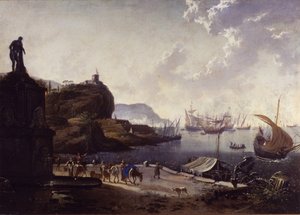
Hans De Jode
1630 - 1663 , Netherlands
快速概览
- Full Name: Hans de Jode / Jan de Jode
- Nationality: Dutch
- Date Of Birth: 1630
- Date Of Death: 1663
- Place Of Birth: The Hague, Netherlands
- Notable Artworks:
- Seaport
- Marine painting
- Artistic Movement Or Style: Marine art, harbor scenes, Italianate landscapes
- Artists Who Influenced This Artist:
- Rembrandt van Rijn
- Willem van der Velde
- Artists Or Movements Influenced By This Artist: ['Salvator Rosa']
相关文章

Jan van Goyen: Master of Dutch Landscape & Atmospheric Perspective
Discover Jan van Goyen, the master of Dutch landscape painting. Explore his subtle technique, atmospheric realism & lasting influence on art history. Learn about this 17th-century pioneer at OriginalUniqueArt.

戈雅大师25幅杰作:西班牙灵魂的艺术之旅| OriginalUniqueArt
探索戈雅大师的25幅杰作!深入了解西班牙绘画巨匠Francisco Goya的艺术世界,从洛可可到浪漫主义风格,感受黑加仑时代的情感力量。OriginalUniqueArt.com提供高品质油画复制品和家居装饰灵感。立即在线发现所有名画!
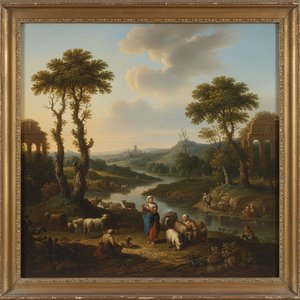
Nicolaes Berchem: Dutch Golden Age Pastoralism & the Evolution of Landscape Painting
Explore the captivating world of Nicolaes Berchem, a leading Dutch Golden Age painter. Discover his idyllic landscapes, masterful technique & lasting influence on art history. Learn more at OriginalUniqueArt.

Golden Light & Dutch Skies: Bringing the Magic of Dutch Golden Age Landscapes into Your Home
Transform your home with the breathtaking light of Dutch Golden Age landscapes. Discover how hand-painted oil reproductions of masterworks like Ruisdael and Vermeer bring timeless elegance, atmosphere, and soulful texture to modern interiors. Elevate your space with museum-quality art.

Golden Light & Dutch Skies: The Timeless Magic of Dutch Golden Age Landscapes
Discover the breathtaking beauty of Dutch Golden Age landscapes. Explore the mastery of light, chiaroscuro, and 17th-century realism through an expert art history lens, celebrating the enduring legacy of the Dutch Masters for discerning collectors and art lovers.