切换至版画销售渠道
 展开全文
展开全文







































 对于任何边长超过 105 厘米(约 41 英寸)的艺术品或复制品,画框将以拆解后的组件形式发货。此方法可确保安全送达并防止运输过程中的损坏。


Saint George: A Symbolist Triumph of Good Over Evil
By Gustave MoreauA Dramatic Narrative in Paint
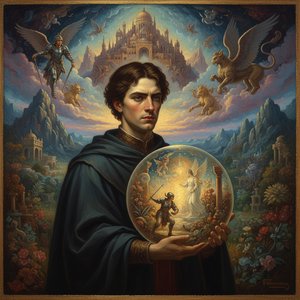
This captivating artwork depicts the legendary Saint George locked in combat with a fearsome dragon – a scene steeped in religious and allegorical significance. Moreau’s interpretation isn't one of straightforward heroism, but rather a complex portrayal of struggle and spiritual victory rendered with breathtaking detail and dramatic flair. The composition is powerfully vertical, immediately drawing the eye to the central figures: Saint George, poised on his white steed, and the serpentine dragon writhing beneath him. Jagged rock formations dominate the background, creating a sense of perilous terrain and vastness, while a hazy sky adds an ethereal quality to the scene.The Style & Technique of Symbolism
Gustave Moreau (1826-1898) was a leading figure in the Symbolist movement, and this painting exemplifies its key characteristics. Rejecting Realism’s focus on objective representation, Symbolism sought to express subjective emotions, ideas, and spiritual truths through evocative imagery. The work is characterized by:- Dramatic Lighting: Strong contrasts between light and shadow heighten the emotional intensity and emphasize the forms of Saint George and the dragon.
- Rich Color Palette: Warm tones dominate the figures, suggesting vitality and righteousness, while cooler blues and greens in the landscape create a sense of distance and mystery.
- Expressive Lines & Shapes: Bold lines define the muscular forms of both combatants, conveying power and movement. The angularity of the rocks adds to the overall feeling of tension.
- Impasto Technique: Moreau skillfully employs impasto – thickly applied paint – to create texture and a sense of dynamism, particularly in the dragon’s scales and Saint George's armor.
Historical & Religious Context
The legend of Saint George and the Dragon dates back centuries, with roots in both Christian hagiography and pre-Christian mythology. Originally associated with other saints, the story became firmly linked to Saint George by the 11th century. It symbolizes the triumph of good over evil, faith over adversity, and divine intervention. The narrative resonated deeply throughout medieval Europe, becoming a popular subject for artists and writers. Moreau’s rendition, however, moves beyond simple illustration; it delves into the psychological and spiritual dimensions of the story.Symbolism & Interpretation
Beyond the literal depiction of the battle, the painting is rich in symbolic meaning:- Saint George: Represents courage, chivalry, faith, and divine grace.
- The Dragon: Embodies evil, chaos, paganism, and the forces that threaten humanity.
- The White Horse: Symbolizes purity, nobility, and spiritual power.
- The Landscape: The desolate terrain suggests a world in need of redemption and the challenges faced by those who fight for good.
Emotional Impact & Aesthetic Appeal
Moreau’s *Saint George* evokes a powerful emotional response. Viewers are drawn into the drama of the scene, experiencing a sense of both awe and apprehension. The painting is not merely a depiction of violence; it's an exploration of inner struggle, spiritual fortitude, and the enduring hope for victory over darkness. Its intricate detail, vibrant colors, and dramatic composition make it a visually stunning work that would be a captivating focal point in any interior space – from classic to contemporary settings. A reproduction of this masterpiece offers not only aesthetic beauty but also a profound connection to art history and timeless themes.常见问题与解答
古斯塔夫·莫罗 的《Saint George》 是如何将 Romanticism 与艺术家的祖籍国联系在一起的?
这件Romanticism风格的作品《Saint George》出自一位出生于法国的艺术家之手。
这幅 古斯塔夫·莫罗 的《Saint George》 的复制品会为房间增添怎样的氛围?
凭借其Romantic的意境,建议将“Saint George”装饰于Living Room。
古斯塔夫·莫罗 的《Saint George》 的亮度如何?
古斯塔夫·莫罗 的《Saint George》 的记录亮度为 Soft Shadow。
 实景预览
实景预览
 分享
分享 分享
分享
 详情
详情 指南
指南

 下载作品
下载作品
 相似作品
相似作品 X射线
X射线 幻灯片播放
幻灯片播放 问答
问答 统计数据
统计数据