 定制手绘复刻品
 分享
分享 分享
分享
 详情
详情

 下载
下载
 相似作品
相似作品 X射线
X射线 幻灯片播放
幻灯片播放La Débauche


 展开详情
展开详情




P118B $10

P118H $10

P118W $10

P438Z $10

P508JH $12

P508YH $12

P805H $10

P805Z $10

P919BZ $10

P919G $10

P919XJ $10

P959ZH $10

P968JZ $12

W106C $8

W218G $10

W218JH $8

W218Y $10

W307PJ $10

W316G $10

W316PJ $8

W316Y $10

W398PJ $8

W4111J $10

W500HY $15

W500JH $15

W692G $12

W849H $8

W940BG $15

W953PJ $8




从与原作比例一致的预设尺寸中进行选择。

您可以输入自定义尺寸,以适配特定的画框或空间。如果您选择的尺寸与原图比例不符,我们将对作品进行裁剪,或通过镜像填充/纯色填充边缘的方式来扩展图像。在开始制作之前,我们会向您发送一份数字效果图供您确认。
请注意,屏幕上的预览并不能反映实际的裁剪或扩展效果。只有效果图才能准确展示最终的构图。
虽然我们提供定制尺寸,但为了保持原图比例,我们建议您从预设列表中选择尺寸。


 玻璃选项仅适用于110厘米以下的尺寸。

La Débauche
艺术微喷/版画
复制品尺寸
-


最终总价
-
藏品详情
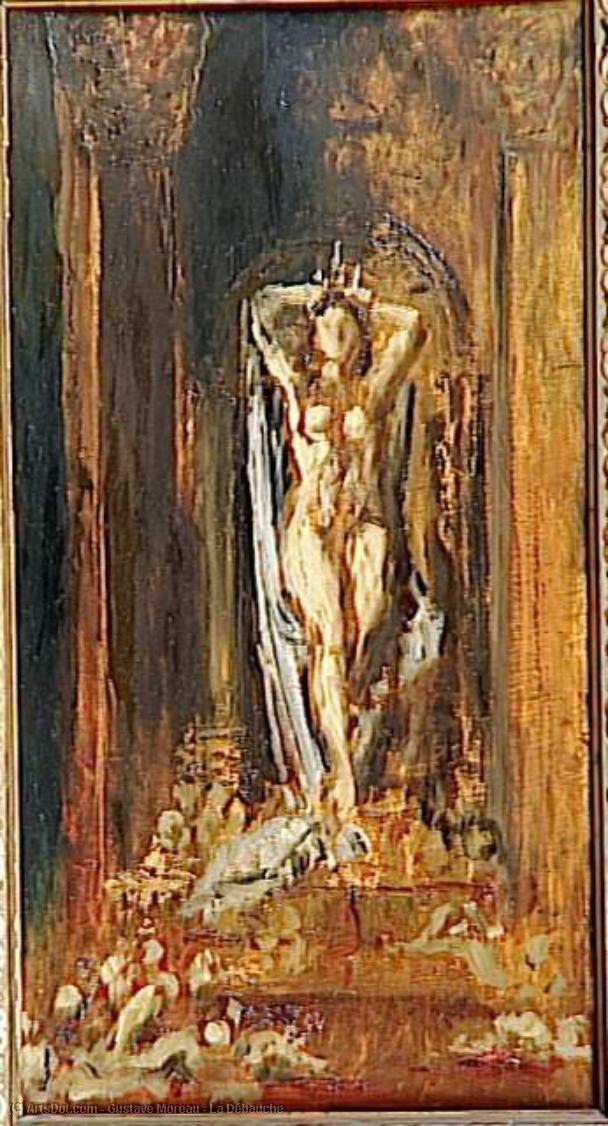
A Dream Woven in Shadow: Gustave Moreau’s *La Débauche*
Gustave Moreau's *La Débauche*, painted between 1876 and 1884, isn’t merely a depiction of a nude figure; it’s an immersion into a realm of mythic torment, psychological intensity, and the unsettling beauty of Symbolism. This arresting canvas, housed within the intimate Musée Gustave Moreau in Paris—Moreau's own former home transformed into a living museum—immediately commands attention with its dramatic composition and palpable texture. The painting speaks to a profound exploration of temptation, judgment, and the precarious balance between desire and destruction, themes that resonate powerfully even today.
Moreau, a pivotal figure in the Symbolist movement, rejected the prevailing Realism and Impressionism of his time, seeking instead to unlock the hidden narratives residing within mythology, religion, and the human psyche. He wasn’t interested in capturing fleeting moments or objective reality; rather, he aimed to translate subjective emotions and spiritual yearnings into a visual language that was both intensely personal and universally evocative. *La Débauche* exemplifies this approach perfectly – it's less a portrait than an allegory, a carefully constructed tableau designed to provoke contemplation and emotional response.
The Figure at the Heart of Mystery
At the painting’s core stands a nude female figure, positioned centrally against a backdrop of swirling darkness. Her posture is one of languid surrender, her arms raised in a gesture that simultaneously suggests both allure and vulnerability. The artist employs thick impasto—a technique involving the application of paint in heavy, textured layers—to create a surface that feels almost sculptural. This tactile quality draws the viewer into the scene, inviting them to trace the contours of the figure’s body and absorb the weight of her presence. The lighting is dramatic, highlighting the central form with pools of light while casting deep shadows that envelop the surrounding figures, intensifying the sense of drama and mystery.
Crucially, Moreau doesn't offer a straightforward representation of nudity. Instead, the figure embodies an ambiguous state—a blend of power and submission, beauty and decay. Her face is partially obscured, adding to her enigmatic quality, while her gaze seems lost in contemplation or perhaps even despair. The loose brushwork and visible paint strokes contribute to the painting’s raw emotionality, conveying a sense of urgency and instability.
A Chorus of Judgment and Decay
The background of *La Débauche* is far from static. It's populated by indistinct figures—a swirling mass of men and women rendered in muted tones—that suggest a crowd or perhaps even a judgment scene. These shadowy forms are not clearly defined, contributing to the overall atmosphere of unease and uncertainty. They seem to press in on the central figure, hinting at consequences and impending doom. The use of dark, earthy colors – browns, ochres, and deep reds – further reinforces this sense of decay and moral transgression.
Symbolic elements abound within the painting. The pose of the central figure clearly evokes themes of sacrifice or martyrdom, while the surrounding figures suggest a chorus of judgment or perhaps even the inescapable consequences of her actions. Moreau masterfully employs these symbols to create a complex narrative that transcends a simple depiction of nudity and delves into deeper philosophical and psychological territory.
A Legacy of Dream Weaving
Gustave Moreau’s *La Débauche* is more than just a beautiful painting; it's a window into the artist’s intensely personal and profoundly symbolic world. His work, deeply influenced by mythology, religion, and the darker corners of the human psyche, continues to captivate viewers with its haunting beauty and emotional depth. Reproductions of this masterpiece offer an opportunity to bring this evocative scene into your home, allowing you to contemplate its mysteries and immerse yourself in Moreau’s dreamlike vision. The Musée Gustave Moreau itself provides a remarkable context for understanding the painting's significance, offering a glimpse into the artist’s life and creative process.
Consider commissioning a hand-painted reproduction from OriginalUniqueArt.com to experience the texture, depth, and emotional power of *La Débauche* in exquisite detail – a timeless work that speaks volumes about the complexities of human desire and the enduring allure of symbolism.
艺术家简介
古斯塔夫·莫罗:象征主义的梦境编织者
古斯塔夫·莫罗,一个与象征主义绘画的空灵之美和神秘深度紧密相连的名字,在19世纪的巴黎涌现为一种独特的艺术声音。1826年出生于一个资产阶级家庭——他的父亲是一位建筑师和档案管理员——莫罗早年的生活充满了智力好奇心和审美情趣。自幼年起,他就展现出非凡的绘画天赋,在École des Beaux-Arts接受了传统的学术训练,师从弗朗索瓦·埃杜亚尔·皮科等大师。然而,莫罗的艺术之路将与他那个时代盛行的现实主义和印象派潮流大相径庭。他并不热衷于捕捉转瞬即逝的瞬间或客观现实;相反,他试图通过一种深刻的个人象征视觉语言来揭示神话、宗教和人类心灵中隐藏的领域。他的旅程是一次向内探索的过程,用痴迷的细节和充满活力的调色板将主观情感和精神渴望转化为画布。想象力的熔炉:影响与艺术发展
莫罗的艺术发展并非凭空而来。尽管他拒绝了那个时代的统治性趋势,但他从各种来源汲取灵感。欧仁·德拉克洛瓦作品中使用的戏剧性的色彩和异国情调的主题深深地触动了他,点燃了他对充满情感激情的叙事绘画的热情。他还非常推崇文艺复兴时期的米开朗基罗和列奥纳多·达·芬奇等大师,钦佩他们对构图、解剖学和心理洞察力的掌握。然而,莫罗并非简单地模仿这些艺术家;他将他们的影响综合为一种全新的东西。他在1850年代的意大利之旅是他艺术发展中的一个关键时刻,使他沉浸在古代艺术和文艺复兴艺术的世界中,提供了丰富的素材和风格暗示,这些都将填充他未来的作品。他一丝不苟地临摹了旧大师的画作,并非为了复制,而是为了吸收他们的技巧并揭示他们的秘密。这种对工艺的奉献,加上他对神话和文学日益增长的兴趣,为他的独特艺术愿景奠定了基础。象征的世界:主题与技巧
莫罗的绘画不仅仅是神话或圣经故事的插图;它们是复杂的寓言,邀请人们沉思和解读。他深入研究了萨洛美、奥尔菲斯、朱庇特与塞米勒等叙事,并非为了字面意义上的重述,而是为了探索其潜在的心理和精神真相。他的画布上充满了象征性的意象——蛇代表诱惑,珠宝象征着世俗的欲望,人物则体现了诸如悲伤、失落或救赎之类的抽象概念。他巧妙地通过错综复杂的细节、丰富的纹理以及光与影的令人不安的并置来营造出一种梦幻般的氛围。莫罗的技术以对油漆的分层进行细致入微的方式为特征,创造出闪烁着彩虹般色彩的表面,并唤起了一种超凡脱俗的美感。他对色彩和形式表现力的优先考虑而非逼真纹理或透视,旨在传达情绪和意义。遗产与影响:象征主义持久的力量
尽管最初褒贬不一,但莫罗成为了19世纪90年代蓬勃发展的象征主义运动中的核心人物。与一些积极寻求公众关注的同仁不同,他保持着一种相对隐居的生活方式,更喜欢独立工作并避免艺术辩论。然而,他的影响力是不可否认的。1893年,他被任命为École des Beaux-Arts的教授,深刻影响了包括亨利·马蒂斯和乔治·鲁奥在内的几代艺术家。他鼓励他的学生拥抱想象力、象征主义和个人表达,敦促他们打破传统的艺术规范。尽管象征主义在莫罗去世后的20世纪后期逐渐衰落,但他的作品经历了重大重新评估。如今,他被广泛认为是该运动中最重要的人物之一,也是现代艺术的先驱。位于巴黎他前工作室兼住宅内的古斯塔夫·莫罗博物馆,是他持久遗产的见证——一个游客可以沉浸在这个非凡艺术家迷人世界中的圣地。他的画作至今仍能引起观众的共鸣,为我们窥探人灵魂深处隐藏的奥秘,并提醒我们艺术超越现实边界的力量。著名作品
- 萨洛美跳舞给赫罗德: 这幅画可能是他最著名的作品之一,完美地体现了莫罗华丽的风格和对圣经叙事的迷恋。
- 朱庇特与塞米勒: 一幅生动描绘希腊神话的画面,展示了莫罗在构图和色彩方面的精湛技艺。
- 奥尔菲斯: 莫罗创作了几幅探索奥尔菲斯神话的作品,反映了失落、悲伤和艺术灵感的主题。
- 显现: 展示了他创造超凡脱俗场景的能力。
- 德西米娜: 对莎士比亚悲剧英雄的动人描绘。

古斯塔夫·莫罗
1826 - 1898 , 法国
艺术家简介
- 全名: 古斯塔夫·莫罗
- 出生地点: 法国巴黎
- 出生日期: 1826年4月6日
- 去世日期: 1898年4月18日
- 受影响的艺术家:
- 亨利·马蒂斯
- 乔治·鲁尔
- 国籍: 法国人
- 影响艺术家:
- 欧仁·德拉克洛瓦
- 米开朗基罗
- 列奥纳多·达·芬奇
- 艺术流派或风格: 象征主义
- 著名作品:
- 《沙乐美跳舞献给希律王》
- 《朱庇特与塞米勒》
- 《奥尔菲斯》
- 《显现》
- 《苔丝狄蒙娜》
相关文章
The Eloquent Brushstroke: A Historical & Technical Exploration of Texture, Intent & Expression in Painting
Explore the rich history & techniques of impasto painting – from Renaissance masters to Van Gogh's expressive strokes. Discover how artists use texture to convey emotion and create lasting impact. Learn more!
The Eloquent Body: A Historical Survey of Figure Painting & Representation
Explore the rich history of figure painting from antiquity to the Renaissance! Discover iconic artworks, masterful techniques & enduring symbolism. Find museum-quality reproductions at OriginalUniqueArt.
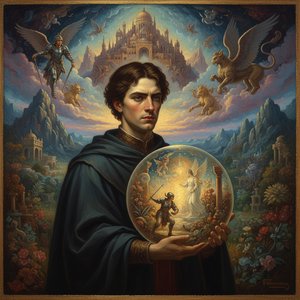
Gustave Moreau: Symbolism's Enigmatic Visionary & Precursors of Modern Fantasy Art
Explore the captivating world of Gustave Moreau, the leading Symbolist painter. Discover his iconic masterpieces, influences, and lasting legacy. Expert analysis for collectors & art enthusiasts.
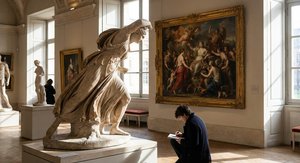
The Eloquent Body: A Historical & Artistic Exploration of Figures in Painting & Sculpture
Explore the rich history of figure painting & sculpture! Discover classical masterpieces, modern interpretations, and expert insights for art lovers & collectors. OriginalUniqueArt offers museum-quality reproductions.
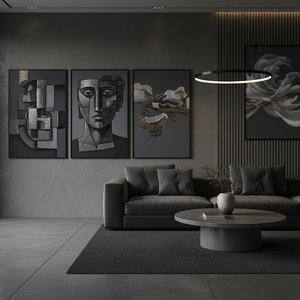
Dark Gray Masterpieces: 10 Iconic Paintings & Timeless Home Decor Ideas
Explore 10 iconic paintings dominated by dark gray tones, from Rembrandt & Caravaggio to Goya. Discover the stories behind these masterpieces and find museum-quality art reproductions for your home at . Explore the full collection online.