

 效果预览
效果预览
 购买手绘画作
 分享
分享 分享
分享
 详情
详情

 下载
下载
 相似作品
相似作品 X射线
X射线 幻灯片播放
幻灯片播放Flowering Orchard, Spring


 展开详情
展开详情




































从与原作比例一致的预设尺寸中进行选择。

您可以输入自定义尺寸,以适配特定的画框或空间。如果您选择的尺寸与原图比例不符,我们将对作品进行裁剪,或通过镜像填充/纯色填充边缘的方式来扩展图像。在开始制作之前,我们会向您发送一份数字效果图供您确认。
请注意,屏幕上的预览并不能反映实际的裁剪或扩展效果。只有效果图才能准确展示最终的构图。
虽然我们提供定制尺寸,但为了保持原图比例,我们建议您从预设列表中选择尺寸。


 玻璃选项仅适用于110厘米以下的尺寸。

Flowering Orchard, Spring
艺术微喷/版画
复制品尺寸
-


最终总价
$ 80
藏品详情
A Burst of Springtime Joy: Gustave Loiseau's "Flowering Orchard, Spring"
Step into a vibrant world brimming with life and color with Gustave Loiseau’s “Flowering Orchard, Spring.” Painted in 1902, this captivating landscape transports the viewer to a sun-drenched orchard awakening after winter. The scene is dominated by lush greenery and an abundance of blossoming trees, their branches laden with delicate white and pink flowers. Two bicycles nestled within the field add a touch of contemporary life to this idyllic pastoral setting, hinting at leisurely enjoyment of nature's beauty. This piece exemplifies Loiseau’s mastery in capturing fleeting moments of natural splendor.Post-Impressionist Technique & Style
Loiseau was a key figure within the Post-Impressionist movement, and "Flowering Orchard, Spring" beautifully showcases his distinctive style. While influenced by Pointillism – a technique characterized by small, distinct dots of color applied to create an image – Loiseau developed his own unique approach. Rather than strictly adhering to the rigid structure of Pointillism, he employed a looser, more expressive application of paint, often utilizing what is described as "cross-hatching." This involved layering short, intersecting strokes of color, creating a shimmering effect and capturing the vibrancy of light filtering through the blossoms. Observe how the interplay of greens, whites, pinks, and yellows creates a sense of movement and depth within the orchard, bringing the scene to life with remarkable energy.Historical Context & Parisian Impressionism
The early 1900s witnessed a flourishing of artistic innovation in Paris, where Loiseau resided and worked. This period saw artists moving beyond the purely representational aims of earlier movements like Realism, seeking to express their subjective experiences and emotions through color and form. Loiseau’s work reflects this shift, aligning with the broader trends of Parisian Impressionism and Post-Impressionism. The inclusion of bicycles—a relatively new invention at the time—grounds the painting in a specific moment in history, subtly suggesting themes of modernity and leisure within a traditional landscape setting.Symbolism & Emotional Resonance
Beyond its aesthetic appeal, "Flowering Orchard, Spring" evokes a powerful sense of renewal and optimism. The blossoming orchard itself is a potent symbol of springtime’s rebirth, representing hope, growth, and the cyclical nature of life. The vibrant colors and lively brushstrokes contribute to an overall feeling of joy and tranquility. The presence of the bicycles suggests human connection with nature, inviting viewers to imagine themselves experiencing this idyllic scene firsthand. This painting isn't merely a depiction of a landscape; it’s an invitation to embrace the beauty and promise of spring.艺术家简介
A Parisian Vision: The Life and Art of Gustave Loiseau
Gustave Loiseau, a name perhaps less immediately recognized than some of his Post-Impressionist contemporaries, nevertheless occupies a significant place in the story of French painting at the turn of the 20th century. Born in Paris on October 3rd, 1865, and passing away there on October 10th, 1935, Loiseau’s life was deeply intertwined with the evolving artistic landscape of his city and the broader currents of modernism. His journey began not within the hallowed halls of an art academy—though he briefly attended the École des arts décoratifs—but amidst the practical world of his parents' butcher shop. This early exposure to everyday Parisian life, coupled with a subsequent apprenticeship with a family friend who was a decorator, would profoundly shape his artistic sensibilities. It instilled in him a keen observation of the city’s rhythms and textures, a fascination that would become central to his oeuvre. A modest inheritance from his grandmother proved pivotal, allowing Loiseau to dedicate himself fully to painting in 1887, though his formal training was cut short by a disagreement with a teacher—a testament to his independent spirit.Early Life and Influences
Loiseau’s formative years were spent in Pontoise, France, the city where his parents resided. Unlike many artists of his time who hailed from privileged backgrounds, Loiseau emerged from humble origins – a butcher's son – providing him with an unusual perspective on urban life. This upbringing instilled in him a deep appreciation for craftsmanship and practicality, qualities that would subtly inform his artistic approach. His initial artistic explorations encompassed Pointillism, the revolutionary technique pioneered by Georges Seurat and Paul Signac. However, Loiseau quickly recognized the limitations of this method’s rigid formalism, perceiving it as incompatible with capturing the fluidity and vibrancy of the natural world. This pivotal realization steered him toward a more expressive path—one that would ultimately define his distinctive style.The Breton Awakening: Pont-Aven and Impressionist Dialogue
A transformative encounter occurred in 1890 when Loiseau embarked on his first pilgrimage to Pont-Aven, Brittany – an artist colony already recognized for fostering experimentation and challenging academic conventions. Among the luminaries who gathered there were Paul Gauguin and Émile Bernard—artists whose bold stylistic choices profoundly impacted Loiseau’s artistic sensibilities. The Breton landscape captivated Loiseau's imagination, inspiring him to depict its rugged beauty with unprecedented sensitivity. He absorbed the lessons of Impressionism, particularly Monet’s masterful manipulation of light and color, yet he resisted simply replicating their aesthetic formulas. Instead, Loiseau forged his own path—one characterized by a unique technique that would become synonymous with his artistic identity.The Birth of ‘En Treillis’: A Revolutionary Approach
Loiseau's breakthrough arrived in 1892 when he perfected *en treillis*, or cross-hatching – a method that distinguished him from many of his contemporaries. Unlike the broken brushstrokes characteristic of Impressionism, which sought to capture fleeting impressions of light and color, Loiseau employed a network of fine, interwoven lines to build up form and convey atmospheric depth. This technique wasn’t merely decorative; it represented a radical departure from traditional painting methods—a conscious effort to translate his perceptual experience onto canvas with unparalleled accuracy. The resulting textured surfaces mirrored the visual richness of Breton landscapes – capturing the subtle nuances of light and shadow with remarkable subtlety. It was a technique born not from theoretical contemplation but from intuitive observation—a testament to Loiseau’s artistic genius.Recognition and Legacy
Throughout his career, Loiseau exhibited regularly at prestigious venues such as the Salon des Indépendants and the Salon de la Société Nationale, garnering acclaim from both critics and collectors alike. He benefited significantly from the patronage of Paul Durand-Ruel—a visionary art dealer who championed numerous Impressionist and Post-Impressionist artists—solidifying Loiseau’s position within the artistic vanguard of his era. While he never achieved the widespread fame enjoyed by figures like Monet or Cézanne, Loiseau's paintings gained enduring recognition for their distinctive style, evocative atmosphere, and astute portrayal of French life during a period of profound societal transformation. His legacy resides not in disrupting established artistic conventions but in refining them—offering a uniquely personal and captivating perspective on the world around him. He stands as an exemplar of artistic integrity—an artist who remained steadfast to his own aesthetic convictions while engaging constructively with the broader currents of modernism.Notable Works
Loiseau’s oeuvre comprises numerous celebrated paintings that exemplify his distinctive style and thematic preoccupations. Among these masterpieces are *Rue de Clignancourt*, capturing the bustling energy of Parisian street life; *Avenue de Fiedland*, portraying a tranquil urban scene bathed in soft light; *Overcast Weather*, depicting the melancholic beauty of Breton skies; *Etretat*, showcasing the dramatic cliffs and sea vistas of Normandy; and *Field and Hills*, conveying the serene grandeur of rural landscapes. These works demonstrate Loiseau’s unwavering commitment to capturing the essence of his surroundings—translating visual sensations into compelling artistic expressions. His paintings continue to inspire admiration for their masterful execution and profound emotional resonance, securing Loiseau's place as a pivotal figure in French art history.
古斯塔夫·路奧賽歐
1865 - 1935 , 法国
艺术家简介
- Artistic Movement Or Style: 印象派風格
- Artists Or Movements Influenced By This Artist: ['日本藝術']
- Artists Who Influenced This Artist: ['莫內']
- Date Of Birth: 1865年10月3日
- Date Of Death: 1935年10月10日
- Full Name: Gustave Loiseau
- Nationality: 法國人
- Notable Artworks:
- rues de Clignancourt
- Avenue de Fiedland
- Place Of Birth: 巴黎,法國
相关文章
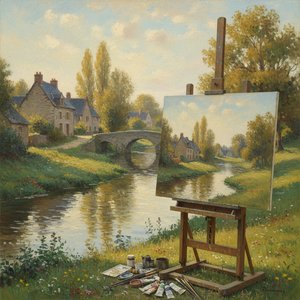
Gustave Loiseau: Capturing the Ephemeral Light of French Landscapes
Explore the captivating landscapes of Gustave Loiseau, a key Post-Impressionist painter. Discover his unique 'en treillis' technique and artistic legacy with our comprehensive guide.

古斯塔夫·克林姆:25幅大师级杰作,点亮您的艺术生活 | OriginalUniqueArt
探索古斯塔夫·克林姆25幅传世名画,领略维也纳分离派的金色辉煌!深入了解每一件艺术品的创作故事与象征意义。OriginalUniqueArt.com提供博物馆级高质量复制品,为您的家居带来艺术灵感。立即在线探索完整系列!

保罗·塞尚:25幅大师杰作,重塑现代艺术与家居美学 | OriginalUniqueArt
探索保罗·塞尚25幅经典杰作!深入了解后印象派大师的艺术生涯、独特技法与色彩运用。OriginalUniqueArt提供高清油画复制品,为您的家居带来博物馆级艺术体验。立即发现更多名画,点亮生活空间!
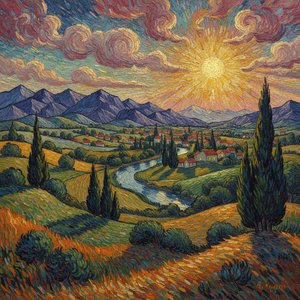
Beyond Impressionism: The Emotional Depth and Vibrant Evolution of Post-Impressionist Landscapes
Explore the profound evolution of Post-Impressionist landscapes. From Van Gogh's emotional brushwork to Cézanne's structural mastery, discover how these visionaries redefined art history through color and form in this expert guide for fine art enthusiasts.
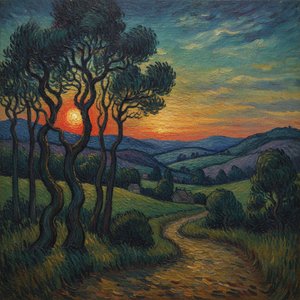
Beyond the Light: Capturing Raw Emotion and Subjective Vision in Post-Impressionist Landscapes
Explore the profound emotional depth of Post-Impressionist landscapes. Discover how masters like Van Gogh moved beyond light to capture raw human feeling through vibrant color and expressive texture in this expert art history retrospective.

