效果预览
效果预览
 分享
分享 分享
分享
 详情
详情

 下载
下载
 相似作品
相似作品 X射线
X射线 幻灯片播放
幻灯片播放 Stats
Statspaysage guyere


 展开详情
展开详情
艺术微喷/版画
博物馆级艺术微喷或帆布版画,制作高效,并提供多种饰面选择。 ( 购买手绘画作 Switch to Digital Image)




P118B $10

P118H $10

P118W $10

P438Z $10

P508JH $12

P508YH $12

P805H $10

P805Z $10

P919BZ $10

P919G $10

P919XJ $10

P959ZH $10

P968JZ $12

W106C $8

W218G $10

W218JH $8

W218Y $10

W307PJ $10

W316G $10

W316PJ $8

W316Y $10

W398PJ $8

W4111J $10

W500HY $15

W500JH $15

W692G $12

W849H $8

W940BG $15

W953PJ $8




从与原作比例一致的预设尺寸中进行选择。

您可以输入自定义尺寸,以适配特定的画框或空间。如果您选择的尺寸与原图比例不符,我们将对作品进行裁剪,或通过镜像填充/纯色填充边缘的方式来扩展图像。在开始制作之前,我们会向您发送一份数字效果图供您确认。
请注意,屏幕上的预览并不能反映实际的裁剪或扩展效果。只有效果图才能准确展示最终的构图。
虽然我们提供定制尺寸,但为了保持原图比例,我们建议您从预设列表中选择尺寸。


 玻璃选项仅适用于110厘米以下的尺寸。

paysage guyere
艺术微喷/版画
复制品尺寸
-


最终总价
$ 80
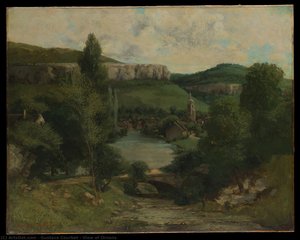
Gustave Courbet’s *paysage guyere*: A Testament to Realism
Gustave Courbet's paysage guyere (Guyère Landscape) stands as a pivotal work in the history of art, representing a radical departure from the romanticized landscapes that dominated the early 19th century. Painted in 1865, this canvas embodies Courbet’s unwavering commitment to Realism – a movement he spearheaded – and offers a profoundly honest depiction of the French countryside, devoid of idealization or sentimental embellishment. The painting's power lies not just in its subject matter but also in the meticulous execution and the artist’s deliberate rejection of academic conventions.
- Subject Matter: The scene depicts the rolling hills and valleys surrounding Guyère, a small town in Haute-Savoie, France. Courbet chose this familiar landscape not for its beauty in a conventional sense, but to capture the essence of rural life – the dirt roads, the scattered trees, and the quiet dignity of the natural world.
- Style & Technique: Courbet employed his signature technique of *plein air* painting, working directly from nature to achieve an unprecedented level of accuracy and detail. Thick impasto brushstrokes are evident throughout the canvas, adding texture and a palpable sense of physicality to the landscape. The color palette is grounded in earthy tones – browns, greens, and ochres – reflecting the muted hues of the region.
A Revolutionary Vision: Courbet’s Realism
Courbet's artistic rebellion was rooted in a deep dissatisfaction with the prevailing artistic trends of his time. The French Academy favored historical paintings, mythological scenes, and idealized portraits – works that prioritized aesthetic beauty over social or political commentary. Courbet vehemently rejected this approach, arguing that an artist’s primary duty was to depict the world as it truly existed, regardless of its perceived value or appeal. He famously declared, “I paint what I see, not what people tell me exists.” This statement encapsulates the core tenets of his Realist philosophy and profoundly influenced subsequent generations of artists.
- Historical Context: The mid-19th century in France was a period of significant social and political upheaval. The rise of industrialization, urbanization, and new ideas challenged traditional values and hierarchies. Courbet’s Realism reflected this broader societal shift, offering a critical perspective on the changing landscape of France.
- Influence: *paysage guyere* is considered a cornerstone of the Realist movement, influencing artists like Jean-François Millet and broadening the scope of artistic representation to include everyday subjects and working-class life.
Symbolism and Emotional Impact
While seemingly straightforward in its depiction, paysage guyere is rich with symbolic meaning. The lone figure on the dirt road – a farmer or laborer – represents the dignity of rural labor and the enduring connection between humanity and nature. The vastness of the landscape evokes a sense of awe and humility, reminding us of our place within the natural world. The painting’s emotional impact is one of quiet contemplation and serene beauty—a feeling that resonates with viewers even today.
- Composition: Courbet's deliberate composition – the receding lines of the road, the layered hills, and the carefully placed trees – creates a sense of depth and perspective, drawing the viewer into the scene.
- Color & Light: The use of natural light and shadow enhances the realism of the painting, creating a dynamic interplay of tones that adds to its visual impact.
A Masterpiece Recreated
OriginalUniqueArt offers meticulously crafted hand-painted reproductions of Gustave Courbet’s *paysage guyere*, allowing you to experience this iconic artwork in stunning detail and quality. Each reproduction is created by skilled artisans using archival materials, ensuring that it will retain its beauty and vibrancy for generations to come. Whether you are an art collector, interior designer, or simply someone who appreciates the power of great art, a OriginalUniqueArt reproduction of *paysage guyere* is a timeless investment.
艺术家简介
古斯塔夫·柯贝:现实主义的旗帜
古斯塔夫·柯贝(Gustave Courbet,1819-1877)诞生于法国奥尔纳讷,一个宁静的小镇。他并非出身名门望族,却以其大胆的艺术实践和对现实的执着追求,成为了19世纪法国绘画史上一颗耀眼的星辰。柯贝的一生,是一部对传统艺术观念的挑战与颠覆之书,也是一部对社会底层人民的关怀与致敬之歌。他的作品,如同一面镜子,真实地反映了当时法国社会的风貌,也深刻地影响了后世的艺术发展。从最初对古典绘画的模仿,到最终确立起独特的现实主义风格,柯贝的艺术之路并非一帆风顺,却始终充满着激情与探索。他拒绝虚构的神话故事和英雄传奇,转而将目光投向田间劳作的农民、朴素的乡村生活以及平凡的人们,用画笔记录下他们的真实面貌,这在当时是极具革命性的举动。现实主义的诞生:打破艺术的藩篱
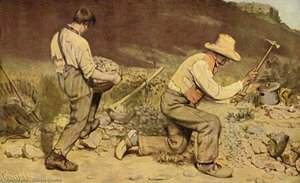
柯贝的艺术生涯,与“现实主义”运动紧密相连。他深刻地意识到,传统的绘画往往沉溺于理想化的美和虚构的情节,而忽略了对现实世界的真实描绘。为了打破这种局面,柯贝毅然决然地选择了以现实为题材,用最朴实的笔触记录下他所看到的世界。他的早期作品,如《奥尔纳讷的埋葬》 (A Burial at Ornans),便是一次大胆的尝试。这幅画作描绘了他在家乡参加一个普通村民的葬礼,场景宏大而真实,人物形象朴实无华,没有丝毫的理想化色彩。这幅作品在1850-51年的沙龙展出时,引起了巨大的轰动,也引发了激烈的争议。许多评论家认为柯贝的作品“丑陋”、“粗俗”,甚至质疑他是否有资格成为画家。然而,柯贝并没有因此而退缩,他坚信自己的艺术道路是正确的,并继续坚持着他的现实主义风格。他笔下的《石头搬运工》(The Stone Breakers) 更是将这种现实主义精神推向了极致,它描绘了两个贫困的劳工正在辛勤地搬运石块,画面充满了对底层人民生活的真实写照。尽管这幅作品后来不幸在二战中被毁,但它所代表的精神却永远铭刻在了艺术史册上。柯贝的艺术哲学:直面现实,忠于自我
柯贝不仅是一位杰出的画家,更是一位坚定的思想家和革命者。他始终坚持着“艺术家应该只描绘他们能够看到和触摸到的事物”的原则,并将其融入到自己的创作之中。他反对虚假的浪漫主义和矫揉造作的艺术风格,主张用最直接、最朴实的笔触来表现现实世界。柯贝对绘画技法也有着自己独特的理解。他喜欢采用厚涂的手法,使画面充满质感和力量。他的色彩运用也十分大胆,常常使用对比强烈的颜色来增强画面的视觉冲击力。《画家工作室》(The Painter's Studio) 这幅作品,是柯贝艺术思想的集中体现。这幅画作既是对他个人艺术生涯的回顾,也是对当时社会现实的深刻反思。画面中,柯贝将自己置于画室中央,周围环绕着各种各样的形象,象征着他所关注的社会群体和艺术领域。历史意义与影响:现实主义的先驱
古斯塔夫·柯贝的贡献不仅仅在于他的绘画作品本身,更在于他对整个艺术史产生了深远的影响。他开创了现实主义流派,为后来的印象派、后印象派等现代艺术运动奠定了基础。柯贝对现实的执着追求和对传统的挑战精神,激励了一代又一代的艺术家去探索新的艺术形式和表达方式。他的作品也成为了社会批判和政治抗争的重要载体,反映了当时法国社会的矛盾与冲突。尽管柯贝的一生充满了争议和波折,但他始终坚持着自己的艺术理想,并最终赢得了历史的肯定。他是一位真正的现实主义先驱,一位值得我们永远铭记的艺术家。- 现实主义的开创者
- 挑战传统艺术观念
- 影响了印象派和后印象派
- 社会批判与政治抗争的载体

库尔贝
1819 - 1877 , 法国
艺术家简介
- 全名: 古斯塔夫·库尔贝
- 出生地点: 法国奥尔南斯
- 出生日期: 1819年6月10日
- 去世日期: 1877年12月31日
- 受影响的艺术家或运动:
- 印象派
- 后印象派
- 国籍: 法国人
- 影响艺术家:
- 列奥纳多·达·芬奇
- 鲁本斯
- 卡拉瓦乔
- 艺术运动或风格: 现实主义
- 著名作品:
- 石匠
- 奥尔南斯的埋葬
- 画室
相关文章
Gustave Loiseau: Capturing the Ephemeral Light of French Landscapes
Explore the captivating landscapes of Gustave Loiseau, a key Post-Impressionist painter. Discover his unique 'en treillis' technique and artistic legacy with our comprehensive guide.

葛饰北斋:25幅传世名作,浮世绘大师的艺术传奇 (Katsushika Hokusai: 25 Masterpieces, The Art Legacy of the Ukiyo-e Master)
探索葛饰北斋的25幅传世名作!深入了解浮世绘大师的艺术传奇,感受《神奈川冲浪波》等经典作品背后的故事与魅力。OriginalUniqueArt.com提供博物馆级高质量复制品,为您的家居带来日本风情和艺术灵感。立即探索完整系列!

康斯塔布尔大师之作:25幅传世风景画赏析 | OriginalUniqueArt
探索康斯塔布尔的25幅传世杰作!沉浸于英国田园风光,感受浪漫主义绘画大师的光影与色彩。高清油画复制、艺术品购买尽在OriginalUniqueArt.com,为您的家居增添经典之美。立即在线探索完整系列!
逼真艺术史:十幅定义现实主义的杰作
探索现实主义艺术的巅峰!本文精选十幅定义了这场运动的杰作,从库尔贝到米勒,揭秘艺术家背后的故事与技法。寻找博物馆级复制品和室内设计灵感?OriginalUniqueArt.com为您呈现经典绘画的完美演绎。在线探索全系列!

古斯塔夫·克林姆:25幅大师级杰作,点亮您的艺术生活 | OriginalUniqueArt
探索古斯塔夫·克林姆25幅传世名画,领略维也纳分离派的金色辉煌!深入了解每一件艺术品的创作故事与象征意义。OriginalUniqueArt.com提供博物馆级高质量复制品,为您的家居带来艺术灵感。立即在线探索完整系列!