

 实景预览
实景预览
 发送
发送 分享
分享
 详情
详情 指南
指南

 下载图片
下载图片
 相似作品
相似作品 X射线
X射线 幻灯片播放
幻灯片播放 统计数据
统计数据In a Cafe
 Acrylic On Canvas
- WallArt
- Victorian Realism
 1880
1880- 19th Century
 Musée des Beaux-Arts et de la Céramique
 阅读全文
阅读全文
手工油画复制品
由我们的艺术家按需定制,为您提供您所选尺寸及画框的布面手工油画。 ( 切换至版画销售渠道 切换至数字图像销售渠道)




P118B ¥10

P118H ¥10

P118W ¥10

P438Z ¥10

P508JH ¥12

P508YH ¥12

P805H ¥10

P805Z ¥10

P919BZ ¥10

P919G ¥10

P919XJ ¥10

P959ZH ¥10

P968JZ ¥12

W106C ¥8

W218G ¥10

W218JH ¥8

W218Y ¥10

W307PJ ¥10

W316G ¥10

W316PJ ¥8

W316Y ¥10

W398PJ ¥8

W4111J ¥10

W500HY ¥15

W500JH ¥15

W692G ¥12

W849H ¥8

W940BG ¥15

W953PJ ¥8




您可以从与原作比例一致的预设尺寸中进行选择。

请输入您需要的宽度和高度,以适配您的画框或墙面。由于作品为手工绘制,若您选择不同的尺寸比例,艺术家可能会在画面边缘多画一些或稍作裁剪 —— 由您决定。在开始绘画之前,我们会为您发送一份数字效果图供您确认。本页面上展示的图片并非最终实物 —— 只有效果图才能反映真实结果。
下单后,OriginalUniqueArt.com 团队将通过电子邮件联系客户获取具体要求,并提供效果预览图


 玻璃选项仅适用于110厘米以下的尺寸。

In a Cafe
复制品材质
复刻品尺寸说明
-


总计金额
¥ 2017
A Snapshot of Parisian Life: Gustave Caillebotte’s “In a Cafe”
The painting "In a Cafe," executed by Gustave Caillebotte in 1880, isn't simply a depiction of a Parisian café scene; it’s a carefully constructed observation of the anxieties and aspirations simmering beneath the veneer of Victorian society. Captured in stark black and white photography—a technique that would soon become commonplace—the artwork offers an unexpectedly modern perspective on its time, reflecting Caillebotte’s fascination with capturing fleeting moments and experimenting with compositional innovations.- Subject Matter: The scene portrays a gentleman seated alone at a table in a café, surrounded by other patrons. He gazes directly at the viewer, establishing an intimate connection that transcends the distance of time.
- Style: Caillebotte’s style is characterized by its understated realism combined with subtle stylistic choices that elevate it beyond mere documentation. He eschewed grand narratives and theatrical gestures, favoring instead a quiet contemplation of everyday life—a deliberate rejection of academic conventions prevalent during his era.
Technique and Composition: Pioneering Photographic Influence
Caillebotte’s masterful use of technique speaks volumes about his artistic sensibilities. Like many photographers of the period, he meticulously considered perspective and framing—elements borrowed directly from photographic principles—to create a sense of depth and immediacy. The slightly off-center placement of the gentleman adds dynamism to the composition, drawing the eye across the canvas and subtly disrupting traditional symmetry. Furthermore, the inclusion of a cup on the table serves as a visual anchor, grounding the scene in the tangible realities of daily life.Historical Context: Victorian Uncertainty
“In a Cafe” emerges from a pivotal moment in Parisian history—the burgeoning Industrial Revolution and its impact on urban culture. The Victorian era was marked by anxieties about social change, moral decay, and the rapid pace of technological advancement. Caillebotte’s depiction captures this atmosphere of uncertainty, presenting a scene populated with individuals absorbed in their own thoughts and activities. The café itself symbolizes both comfort and isolation—a space for socializing yet simultaneously offering refuge from the pressures of the outside world.Symbolism and Emotional Resonance
Beyond its formal elements, “In a Cafe” resonates with deeper symbolic meanings. The gentleman’s gaze toward the viewer is particularly noteworthy; it invites contemplation and suggests that Caillebotte wished to engage his audience in a dialogue about perception and experience. The solitary figure embodies the individual's struggle for identity amidst societal forces—a theme that aligns with broader artistic explorations of human psychology during the Victorian period. Ultimately, the painting evokes a feeling of quiet melancholy—a poignant reminder of the beauty found within ordinary moments and the complexities inherent in navigating modern life.艺术家简介
一位新时代的巴黎人:古斯塔夫·卡耶博特的人生与艺术
古斯塔夫·卡耶博特,1848年出生于一个富裕的巴黎家庭,他身处时代变革的核心,注定要捕捉重塑这座城市的壮丽景象。他的父亲马蒂亚尔·卡耶博特继承了一家成功的纺织品生意,并担任法官,为古斯塔夫提供了经济保障和观察新兴世界的视角。起初,卡耶博特追随法律研究——1868年和1870年获得法律学位——但他真正的使命在于艺术领域。他开始在莱昂·博纳的指导下认真训练,沉浸于绘画的同时,也对摄影产生了浓厚的兴趣,这种新兴媒介将深刻影响他的艺术视野。早期接触摄影原理——构图、透视以及捕捉瞬间——成为其独特风格的标志。卡耶博特不仅仅是在记录变化;他积极参与了它所呈现的美学可能性。现实主义与印象派光芒交织
卡耶博特的艺术道路偏离了严格的学院传统,但他从未完全拥抱许多印象派同行的纯粹光学探索。他与埃德加·德加和朱塞佩·德尼蒂斯等艺术家建立了亲密关系,他们都对现代生活充满兴趣,但通过一种细致的现实主义视角来对待它。他的早期杰作,《刨木工》(Les Raboteurs de Parquet),于1875年展出在沙龙,立即确立了他作为一位大胆而非常规画家的声誉。这幅作品描绘了三名工人费力地刮擦一块木地板,以一种毫不妥协的诚实感呈现出来,震惊了一些观众,同时也吸引了另一些观众。不仅仅是主题——工人阶级很少出现在高雅艺术的画布上——还有构图:裁剪得近乎令人不安的直接,并且没有任何感伤的理想化。这种致力于描绘当代生活而不加修饰的精神延续到诸如《铁桥》等作品中,他在其中巧妙地捕捉了快速变化的巴黎的工业景观。然而,卡耶博特并没有对印象派免疫;他的调色板逐渐变亮,他开始尝试破碎的笔触和大气效果,尤其是在其令人惊叹的巴黎屋顶被白雪覆盖的景色中,例如《雪景》(View of Rooftops (Snow))。赞助者与先驱:在艺术世界中航行
除了他自己的艺术创作之外,卡耶博特还在支持印象派运动方面发挥了关键作用。他的经济独立使他能够成为重要的赞助人,在他所处的时代,购买莫奈、雷诺阿、皮萨罗、塞尚、德加等人的作品,这些作品在很大程度上被官方沙龙拒绝。他不仅仅是一位收藏家;他积极倡导这些艺术家,组织并资助了几次挑战传统艺术规范的印象派展览。这种对创新精神的奉献也延伸到他自己的收藏中,他在1894年去世时将这笔遗产捐赠给了法国国家——尽管最初遭到抵制,但最终形成了奥赛博物馆著名的印象派藏品的基础。卡耶博特的独特视角也体现在他的构图中;诸如《从上方俯瞰大道》(Boulevard vu d’en haut (Boulevard Seen from Above)),创作于1880年,展示了一种引人注目的现代感,采用了高角度的观点和动态的裁剪,预示着20世纪摄影的视角。这种创新的构图方法,可能受到日本版画和他自己摄影实验的影响,使他成为真正的先驱。遗产与重塑:一位被重新发现的现代大师
在他去世后的几十年里,卡耶博特的作品相对默默无闻,被印象派更著名的艺术家所掩盖。直到20世纪末,才开始对他的艺术进行全面的重新评估,这得益于学术研究和大型展览。这次重塑揭示了一位具有非凡技巧、深刻智慧和富有远见洞察力的艺术家。卡耶博特的绘画不仅仅是对现代生活的描绘;它们是关于城市存在复杂性、不断变化的社会景观以及艺术与现实之间不断演变的关系的深刻沉思。他能够无缝地融合现实主义与印象派技术,其创新的构图和坚定不移地描绘周围世界的承诺,使他在19世纪艺术中占据了举足轻重的地位。今天,卡耶博特的作品因其独特的视角、精湛的技艺和持久的相关性而备受赞誉——证明了一位敢于捕捉新时代精神的艺术家。代表作品
- 《刨木工》(Les Raboteurs de Parquet) (1875):一部开创性的作品,展示了卡耶博特的现实主义和非常规构图。
- 《雪景》(View of Rooftops (Snow)) (1878):展示了他对高角度视点的运用和大气的效果,受到摄影和日本版画的影响。
- 《从上方俯瞰大道》(Boulevard vu d’en haut (Boulevard Seen from Above)) (1880):一种引人注目的现代构图,具有动态的视角。
- 《巴黎街景;雨天》(Paris Street; Rainy Day) (1877):他最著名的作品之一,以独特而富有表现力的方式捕捉了巴黎生活的喧嚣活力。
- 《比基游戏》(The Bezique Game)(1881):一幅迷人的印象派画作,描绘了巴黎的休闲时光。

卡耶博特
1848 - 1894 , 法国
快速概览
- Artistic Movement Or Style: 现实主义,印象派
- Artists Or Movements Influenced By This Artist: 印象派
- Artists Who Influenced This Artist:
- 埃德加·德加
- 朱塞佩·德尼蒂斯
- Date Of Birth: 1848年8月19日
- Date Of Death: 1894年2月21日
- Full Name: 古斯塔夫·卡耶博特
- Nationality: 法国人
- Notable Artworks (List Of Titles):
- 《刨木工》
- 《雪顶屋顶》
- 《雨天街景》
- Place Of Birth (City And Country): 法国巴黎
相关文章
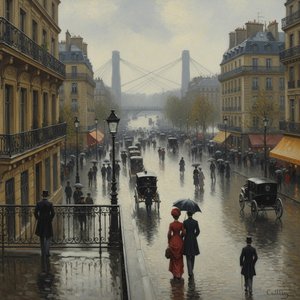
Gustave Caillebotte: Bridging Realism & Modernity in Parisian Life
Explore the life & art of Gustave Caillebotte, a pivotal figure bridging Realism & Impressionism. Discover his iconic Parisian scenes and lasting legacy with OriginalUniqueArt.

White on Canvas: 10 Masterpieces & Timeless Elegance for Your Home Decor
Explore 10 iconic white paintings by Monet, Whistler & Rothko! Discover the stories behind these serene masterpieces and their impact on art history. Find museum-quality reproductions for your home decor at .

Dark Masterpieces: 10 Iconic Paintings Dominated by Black Tones |
Explore 10 iconic paintings dominated by black tones, from Rembrandt’s chiaroscuro to Goya's dark expressions. Discover the stories behind these masterpieces & find museum-quality art reproductions for your home at .

Monochrome Visions: Exploring the Aesthetic & Historical Significance of Black & White Photography
Explore the rich history & artistic power of black and white photography. From early techniques to iconic masters like Ansel Adams, discover why monochrome continues to captivate art lovers today. Expert insights for collectors.

古斯塔夫·克林姆:25幅大师级杰作,点亮您的艺术生活 | OriginalUniqueArt
探索古斯塔夫·克林姆25幅传世名画,领略维也纳分离派的金色辉煌!深入了解每一件艺术品的创作故事与象征意义。OriginalUniqueArt.com提供博物馆级高质量复制品,为您的家居带来艺术灵感。立即在线探索完整系列!


