切换至版画销售渠道
 展开全文
展开全文







































 对于任何边长超过 105 厘米(约 41 英寸)的艺术品或复制品,画框将以拆解后的组件形式发货。此方法可确保安全送达并防止运输过程中的损坏。


Gustave Klimt’s Fairy Tale: A Symphony of Gold and Symbolism
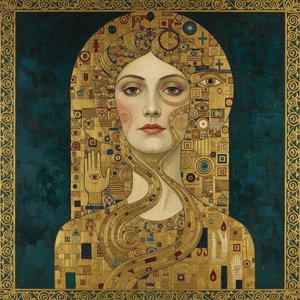
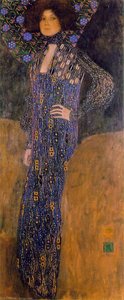
Gustave Klimt's "Fairy Tale," completed in 1884, stands as a cornerstone of Austrian Symbolist art and a pivotal moment in the burgeoning Art Nouveau movement. More than just a depiction of a scene—it’s an immersive experience crafted with meticulous detail and infused with profound symbolic resonance. Examining this masterpiece reveals Klimt's masterful command of technique and his unwavering commitment to capturing the ethereal beauty inherent in folklore and mythology.- Subject Matter: The painting portrays a woman standing serenely amidst a lush woodland setting, encircled by doves, two lions, and a cat—animals traditionally associated with protection, fertility, and feminine grace. This deliberate selection of imagery speaks to themes prevalent in European Romanticism and foreshadows Klimt’s later explorations of psychoanalysis and mythology.
- Artistic Style & Influences: Klimt's style is unmistakably rooted in Art Nouveau, characterized by flowing lines, organic forms, and opulent ornamentation—elements borrowed heavily from Japanese prints and Byzantine mosaics. The artist skillfully blends these influences to create a dreamlike atmosphere that transcends mere representation.
- Technique: Employing oil on canvas, Klimt achieved remarkable textural depth through layering and glazing techniques. Crucially, he utilized gold leaf extensively – a technique championed by Art Nouveau artists – transforming the surface into shimmering expanse of radiant color. This painstaking process demanded considerable time and skill, elevating “Fairy Tale” beyond conventional painting methods.
- Historical Context: Created during Klimt’s formative years, "Fairy Tale" reflects the intellectual currents of its time—a fascination with psychoanalysis spearheaded by Sigmund Freud and a renewed interest in Eastern mysticism. It aligns perfectly with the broader artistic movement that sought to challenge academic conventions and embrace expressive subjectivity.
- Symbolism & Emotional Impact: The woman’s veiled posture embodies mystery and vulnerability, while her gaze directs towards the viewer—inviting contemplation and fostering an intimate connection between subject and observer. Klimt's masterful use of color – predominantly gold – evokes feelings of warmth, spirituality, and timeless beauty. “Fairy Tale” isn’t merely a visual spectacle; it’s a conduit for conveying profound emotional truths about femininity, nature, and the human condition.
Detailed Examination: Composition & Decorative Flourishes
The painting's composition is deliberately asymmetrical, guiding the eye across the canvas with graceful curves and diagonals. Klimt’s meticulous attention to detail extends beyond the figures themselves; every leaf, petal, and scale of the animals contributes to the overall visual harmony. The decorative borders—richly ornamented with geometric patterns and stylized floral motifs—further amplify the painting's grandeur and reinforce its symbolic significance. These elements underscore Klimt’s belief that art should engage all senses and transport the viewer into another realm.The Significance of Gold Leaf
Klimt’s audacious use of gold leaf represents more than just aesthetic embellishment; it embodies a deliberate artistic statement. Drawing inspiration from Byzantine mosaics—which Klimt considered to be “the highest form of art”—he sought to imbue "Fairy Tale" with spiritual depth and luminosity. The shimmering gold surface symbolizes divine grace, immortality, and the transformative power of beauty—themes central to Symbolist philosophy. It elevates the artwork beyond mere visual pleasure, inviting viewers to contemplate concepts of transcendence and spiritual illumination.Legacy & Influence
“Fairy Tale” solidified Klimt’s reputation as a visionary artist who dared to break free from artistic dogma and explore uncharted territories of psychological expression. Its influence can be discerned in subsequent generations of artists—particularly those associated with Expressionism and Surrealism—who embraced bold colors, evocative imagery, and unconventional compositional strategies. Today, “Fairy Tale” continues to captivate audiences worldwide, serving as a testament to Klimt’s enduring artistic genius and his profound understanding of the human psyche. Its ethereal beauty remains an inspiration for designers and artists alike, ensuring its place in art history's canon.常见问题与解答
古斯塔夫·克林姆特 的《fairy tale》 的图像可以自由转载吗?
古斯塔夫·克林姆特 的《fairy tale》 属于 属于公有领域 —— 其版权已过期。此版权状态决定了该作品图像的复制方式。
古斯塔夫·克林姆特 是否还有其他别名或曾用名?
关于《fairy tale》的创作者 古斯塔夫·克林姆特,其记录在案的其他名称包括 克利姆特, 古斯塔夫·克利姆特 (全名)。
古斯塔夫·克林姆特 的《fairy tale》 的对比度表现如何?
古斯塔夫·克林姆特 的《fairy tale》 的色彩对比度为 Statement。
 实景预览
实景预览
 分享
分享 分享
分享
 详情
详情 指南
指南

 下载作品
下载作品
 相似作品
相似作品 X射线
X射线 幻灯片播放
幻灯片播放 问答
问答 统计数据
统计数据