

 效果预览
效果预览
 购买印刷品
购买印刷品 分享
分享 分享
分享
 详情
详情

 下载
下载
 相似作品
相似作品 X射线
X射线 幻灯片播放
幻灯片播放

 展开详情
展开详情
每份数字图像订单均包含
专业数字图像交付,品质保障
选择 OriginalUniqueArt.com,您获得的不仅仅是一张图像——您收到的是经过专业级增强、精雕细琢的数字艺术作品,并享有满意保证。以下是您的订单中自动包含的所有内容:

邮件快速送达
您的高分辨率数字图像文件将在下单后 72 小时内通过电子邮件发送给您 —— 即可立即使用。

AI 增强型数字文件
您的艺术品经过专业优化,结合先进的 AI 技术与人工修饰,确保呈现极致的细节、清晰度与色彩准确度。

终身免费重发服务
不小心删除了文件或找不到了?没关系——我们将随时为您免费重发。

无需进口费用,始终如一
即刻拥有您的艺术作品,无需支付任何关税、税费或运费——数字下载始终免税。

色彩精准保证
我们通过专业工具与色彩管理技术,确保您的数字图像尽可能真实地还原原作色彩。

60天满意保证
如果您对所购买的数字图像不满意,我们将在60天内为您进行修改或退还100%的款项——无需任何解释。

100% 退款保证
如果不满意?在收到数字文件后的60天内,我们为您提供全额退款——无需任何理由。

批量订单优惠
购买 3 张图片可享 10% 折扣 - 购买 5 张可享 15% 折扣 - 购买 10+ 张可享 20% 折扣。非常适合创意项目、画廊和机构使用。
艺术家简介
A Life Etched in Displacement: The Art of Gülsün Karamustafa
Gülsün Karamustafa, born in Ankara, Turkey, in 1946, is more than just a visual artist and filmmaker; she is a chronicler of modern Turkish identity, a voice for the marginalized, and a fearless explorer of socio-political complexities. Her work isn’t simply *about* Turkey—it *is* a reflection of its tumultuous history, its evolving cultural landscape, and the often-silenced narratives within it. To understand Karamustafa's art is to engage with the very fabric of a nation grappling with modernization, political upheaval, and the enduring weight of collective trauma. Her journey began in a period defined by significant shifts; post-war Turkey was striving for Westernization, but beneath the surface lay deep-seated tensions and inequalities that would profoundly shape her artistic vision.Navigating Political Turbulence: Early Influences & Development
Karamustafa’s formative years coincided with a series of military coups—1960, 1971, and 1980—each leaving an indelible mark on Turkish society. These events weren't merely historical occurrences for her; they were lived experiences that fueled a commitment to addressing issues of political repression, exile, and the erosion of civil rights through her art. Initially trained in painting at the Academy of Fine Arts in Istanbul, she quickly moved beyond traditional mediums, recognizing their limitations in conveying the nuanced realities she sought to explore. The early 1970s saw her experimenting with collage and assemblage, incorporating found objects and personal photographs into her work—a deliberate act of reclaiming memory and challenging official narratives. This period also marked a growing interest in feminist perspectives, as she began to examine the constraints placed upon women within Turkish society. Her artistic development wasn’t confined to a single style; it was a continuous process of adaptation and innovation driven by an unwavering desire to bear witness and provoke dialogue.Themes of Exile, Gender & Identity
The core of Karamustafa's oeuvre revolves around themes of exile—both physical and emotional—gender dynamics, and the construction of identity in a rapidly changing world. Her work often features fragmented figures, distorted landscapes, and symbolic objects that evoke a sense of displacement and alienation. “False Memories”, for example, utilizes manipulated photographs to question the reliability of personal recollection and the power of collective amnesia. She masterfully employs personal narratives as entry points into broader socio-political discussions. Her exploration of sexuality and gender is particularly poignant, challenging patriarchal norms and giving voice to women who have been historically marginalized. “The Bride”, a recurring motif in her work, represents both the societal expectations imposed upon women and their resilience in the face of oppression. Karamustafa doesn’t offer easy answers or simplistic solutions; instead, she presents complex layers of meaning that invite viewers to confront uncomfortable truths about themselves and the world around them.Film & Installation: Expanding Artistic Boundaries
While initially recognized for her painting and collage work, Karamustafa's artistic practice expanded significantly in the 1990s with her foray into filmmaking and installation art. This transition allowed her to explore narrative structures and create immersive experiences that further amplified her message. Her films are characterized by a poetic sensibility and a willingness to experiment with form, often blending documentary footage with fictional elements. Installations, such as “Walking on Water”, invite viewers to physically engage with the themes of migration and displacement, creating a visceral connection to the experiences she depicts. These later works demonstrate her commitment to pushing artistic boundaries and utilizing diverse mediums to reach wider audiences. She doesn’t confine herself to traditional gallery spaces; instead, she seeks out unconventional venues and platforms for her work, believing that art should be accessible to all.Historical Significance & Lasting Impact
Gülsün Karamustafa is widely regarded as one of Turkey's most important contemporary artists, and her influence extends far beyond the borders of her homeland. She has been instrumental in shaping a generation of Turkish artists who are committed to addressing social and political issues through their work. Her fearless exploration of taboo subjects—such as sexuality, exile, and political repression—has paved the way for greater freedom of expression within Turkish art.- Her work challenges conventional notions of national identity.
- She provides a platform for marginalized voices.
- Karamustafa’s films and installations have been exhibited internationally, bringing Turkish contemporary art to a global audience.
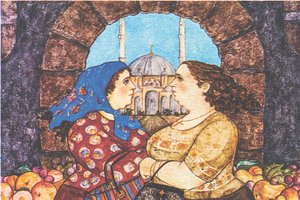
gülsün karamustafa
1946 - , Turkey
基本信息
- Artistic Movement Or Style: Contemporary art, Feminist art
- Date Of Birth: 1946
- Full Name: Gülsün Karamustafa
- Nationality: Turkish
- Place Of Birth: Ankara, Turkey

