

 发送
发送 分享
分享
 详情
详情 指南
指南

 下载图片
下载图片
 相似作品
相似作品 幻灯片播放
幻灯片播放 统计数据
统计数据Statue der Venus


 阅读全文
阅读全文
艺术微喷/版画
博物馆级艺术微喷或帆布版画,制作高效,并提供多种饰面选择。 ( 订购此收藏品的纯手工复刻画作 切换至数字图像销售渠道)




































您可以从与原作比例一致的预设尺寸中进行选择。

请输入您所需的宽度和高度,以适配您的画框或墙面。由于印刷品只能进行裁剪,无法超出原图尺寸,因此若比例不一致,画面的一部分将会被裁切。在正式印刷之前,我们会为您发送一份数字效果图供您确认。本页面显示的图片并非最终裁剪后的效果——只有效果图才能展示真实的裁剪情况。


 玻璃选项仅适用于110厘米以下的尺寸。

Statue der Venus
艺术微喷/版画
复刻品尺寸说明
-


总计金额
¥ 538
A Timeless Embrace: The Statue of Venus by Guillaume Coustou
Within the opulent halls of Potsdam’s Bildergalerie, nestled amongst a constellation of classical sculptures commissioned by Frederick II of Prussia, stands a singular work – the Statue of Venus. More than merely a representation of the Roman goddess, this sculpture embodies an exquisite synthesis of artistic skill, historical reference, and profound symbolism, offering a captivating glimpse into the Enlightenment era’s fascination with beauty and mythology.
Origins and Creation
The story of Venus begins not in Rome itself, but in Lyon, France, where Guillaume Coustou the Elder (1677-1746), a master sculptor deeply rooted in the traditions of his family’s artistic legacy, meticulously brought this iconic figure to life. Coustou, a man who initially rejected the rigid constraints of the Roman Academy, forged his own path, ultimately returning to Paris and securing a place amongst the most celebrated sculptors of his time. Commissioned by Frederick II in 1755, the statue was a deliberate addition to a broader program designed to showcase the gallery’s collection as a testament to artistic knowledge and the enduring power of classical ideals. The sculpture's completion in 1771 marked a significant moment, finally uniting all four commissioned statues within Potsdam’s grand setting.
A Study in Graceful Form
Coustou’s Venus is not a depiction of overt sensuality; rather, it presents an image of serene beauty and contemplative grace. The statue portrays the goddess standing with her arms outstretched, delicately holding a cloth – a subtle nod to the act of unveiling or revealing. Her pose, reminiscent of depictions in classical Greek sculpture, particularly the famed *Venus Pudica* type (the “modest Venus”), is both dynamic and poised. The drapery, meticulously carved with an understanding of light and shadow, clings to her form, emphasizing the curves of her body while simultaneously concealing much of it. The marble itself, sourced from Parian Island, possesses a luminous quality that enhances the statue’s ethereal presence. Close examination reveals the artist's mastery—the subtle variations in texture, the delicate folds of fabric, and the lifelike expression captured in her face all speak to Coustou’s exceptional skill.
Symbolism and Context
The choice of Venus as a subject within Frederick II's Bildergalerie was no accident. Venus represents not only beauty but also love, fertility, and the very essence of artistic inspiration. The statue’s placement within this context underscores the Prussian monarchy’s belief in art as a means of cultivating knowledge, refining taste, and elevating society. Furthermore, the sculpture directly references the famous myth of Paris and Aphrodite – Venus's Roman name – where she receives the golden apple of discord from Paris, symbolizing her victory in the beauty contest that sparked the Trojan War. This narrative element imbues the statue with layers of historical and mythological significance, reminding viewers of the enduring power of love and its potential to inspire both creation and conflict.
Today, reproductions of this captivating sculpture continue to grace interiors worldwide, offering a timeless reminder of the pursuit of beauty, artistic excellence, and the profound influence of classical mythology. Its elegant form and evocative symbolism make it a cherished addition to any collection or space seeking an air of refined sophistication.
问答详情
鉴于创作日期,"Statue der Venus" 属于 吉约姆·库斯图 (老) 艺术生涯中的哪个阶段?
"Statue der Venus"创作于1769年,属于吉约姆·库斯图 (老)艺术生涯中的Late Period时期。
下单前可以预览 吉约姆·库斯图 (老) 的《Statue der Venus》 吗?
您可以在作品的预览页面查看吉约姆·库斯图 (老) 的《Statue der Venus》的预览。
哪种空间能与 吉约姆·库斯图 (老) 的《Statue der Venus》 的色彩相得益彰?
考虑到其Neutrals的色调,建议将“Statue der Venus”布置于Living Room中。
艺术家简介
石中铸就的传奇:老纪尧姆·库斯图的一生与艺术
老纪尧姆·库斯图(Guillaume Coustou the Elder)诞生于一个艺术传统深厚的里昂家族。1677年,他出生于一个注定要在法国雕塑史上留下深刻印记的门第。他的血脉中流淌着创造力的天赋:他的叔叔安托万·科伊沃克斯(Antoine Coysevox)当时已是享誉盛名的皇家雕塑家,而他的兄弟尼古拉·库斯托(Nicolas Coustou)后来也取得了极高的艺术成就。这种家族氛围为年轻的纪尧姆提供了艺术发展的肥沃土壤,使他不仅深刻理解传统技艺,更懂得如何领悟形式的力量。虽然他的初步训练很可能是在这个紧密的艺术圈内完成的,但库斯图的雄心驱使他前往巴黎,并最终在罗马经历了一段——尽管并不寻常——的学习时光。尽管他最初赢得了享有盛誉的“罗马奖”(Prix de Rome),但他那独立不羁的精神与当时法国学院派严苛的纪律发生了冲突,促使他在学院的束缚之外去追求自己的艺术愿景。这种早期的叛逆精神,预示了他日后那充满技术造诣与动态能量的职业生涯,使其在同时代艺术家中脱颖而出。连接巴洛克的宏伟与洛可可的优雅
库斯图的艺术旅程展开于法国艺术一个迷人的转型时期,正处于盛期巴洛克式的戏剧性张力与新兴洛可可风格的优雅之间。他的作品完美地体现了这种转变。早期的作品展现了巴洛克的影响——那种宏大的规模、情感的深度以及呼应路易十四统治时期的戏剧感。然而,库斯电并未仅仅停留在对过去的复制;他逐渐融入了蓬勃发展的洛可可美学元素,为他的雕塑注入了全新的轻盈、优雅与俏皮的装饰感。这种融合在他对解剖结构和构图的大师级处理中尤为明显。他拥有一种非凡的能力,能在大理石的限制下捕捉运动与情感,赋予雕像一种生命力与活力。虽然很难确切指出直接的影响源,但吉安·洛伦佐·贝尼尼(Gian Lorenzo Bernini)那充满戏剧性的风格和精湛的技术无疑为库斯图提供了灵感,尤其是在他那些宏大的艺术创作中。马里之胜:皇权的象征
库斯图的职业生涯在法国王室的赞助下蓬勃发展,并在1739年受命为马里城堡(Château de Marly)的花园创作纪念碑式的“驯马者”(Chevaux de Marly)时达到了巅峰。这些雕塑可以说是他最辉煌的成就,至今仍是皇权与艺术雄心的标志性象征。它们最初的设计初衷是矗立在城堡入口两侧,描绘了强壮的骑手正有力地制服野马——这是一种关于王权掌控自然与驯服狂暴力量的有力寓言。这些作品的规模令人震撼,但真正摄人心魄的是大理石中所捕捉到的动态能量:每一块肌肉都在用力紧绷,每一个表情都传递着坚毅,整个构图散发出一种原始的力量感。除了“驯马者”,库斯图的作品集还包括引人注目的肖像作品,例如他那庄重而精准地捕捉了国王威严形象的路易十三大理石雕像,以及细节精美、展现其肖像技艺的萨缪尔·贝尔纳德胸像。此外,他创作的罗马战神玛尔斯的新古典主义大理石像,进一步证明了他对古典形式的多样化驾驭能力。对法国雕塑的深远影响
老纪尧姆·库斯图在塑造18世纪法国雕塑版图方面发挥了关键作用。他的作品体现了法国宫廷的华丽与宏伟,反映了那个以奢华与精致为特征的时代的艺术品味。尤其是“驯马者”,它超越了最初作为花园装饰的功能,成为了皇权与民族自豪感的持久象征。库斯图在连接巴洛克与洛可可风格方面的能力,对后世雕塑家产生了深远影响,其中包括他的儿子小纪尧姆·库斯图,后者继承了家族传统并进一步发展了他们的艺术遗产。他对动态构图、解剖准确性、表现力细节以及对大理石大师级理解的追求,确保了他的影响力在1746年逝世后依然长久回响。他留下的不仅是雕塑,更是那个时代雄心与艺术造诣的见证——这些作品在几个世纪后的今天,依然能激发人们的敬畏与赞叹。
吉约姆·库斯图 (老)
1716 - 1777 , 法国
快速概览
- Artistic Movement Or Style: 巴洛克与洛可可
- Artists Or Movements Influenced By This Artist: ['小纪尧姆·库斯图']
- Artists Who Influenced This Artist: ['詹洛伦佐·贝尼尼']
- Date Of Birth: 1677年11月29日
- Date Of Death: 1746年2月22日
- Full Name: 老纪尧姆·库斯图
- Nationality: 法国
- Notable Artworks:
- 驯马者
- 路易十三
- 萨缪尔·贝尔纳肖肖像胸像
- 战神雕像
- Place Of Birth: 法国里昂
相关文章

The Enduring Form: Exploring Themes & Techniques in Sculpture Across Historical Periods
Explore the rich history of sculpture from ancient masterpieces to contemporary innovations. Discover key techniques, influential artists & investment potential for discerning art collectors.

Bronze Age to Modern Masters: 10 Sculptures That Redefined Art | OriginalUniqueArt
Journey through art history with 10 legendary bronze sculptures – from Michelangelo's David to Rodin’s Thinker. Explore the stories, techniques & timeless beauty of these masterpieces. Find museum-quality reproductions & elevate your home decor on OriginalUniqueArt.com.

The Enduring Form: Sculpture Across History, Technique & Emotional Resonance
Explore the rich history of sculpture with OriginalUniqueArt. Discover key techniques, influential artists & investment potential for discerning collectors. Expert insights into valuing and collecting timeless masterpieces.

Bronze Sculptures That Defined Art History | OriginalUniqueArt
Journey through art history with our Top 10 bronze sculptures! Explore masterpieces by Rodin, Michelangelo & more. Discover stories behind iconic statues and find museum-quality reproductions for your home decor at OriginalUniqueArt.com.
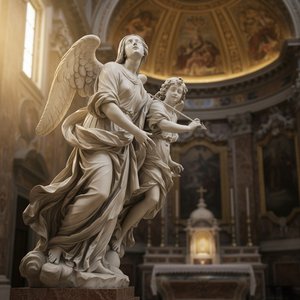
Gian Lorenzo Bernini: Sculpting Baroque Emotion & the Roman Imagination
Explore the life & revolutionary art of Gian Lorenzo Bernini, the master sculptor of the Baroque era. Discover his iconic works like David and Ecstasy of Saint Teresa – a journey into Roman artistic genius.