

 实景预览
实景预览
 发送
发送 分享
分享
 详情
详情 指南
指南

 下载图片
下载图片
 相似作品
相似作品 X射线
X射线 幻灯片播放
幻灯片播放 统计数据
统计数据Nativity
 Acrylic On Canvas
- WallArt
- Italo-Byzantine
 1270
1270 36.0 x 48.0 cm
 卢浮宫
卢浮宫
 阅读全文
阅读全文
艺术微喷/版画
博物馆级艺术微喷或帆布版画,制作高效,并提供多种饰面选择。 ( 订购此收藏品的纯手工复刻画作 切换至数字图像销售渠道)




P118B ¥10

P118H ¥10

P118W ¥10

P438Z ¥10

P508JH ¥12

P508YH ¥12

P805H ¥10

P805Z ¥10

P919BZ ¥10

P919G ¥10

P919XJ ¥10

P959ZH ¥10

P968JZ ¥12

W106C ¥8

W218G ¥10

W218JH ¥8

W218Y ¥10

W307PJ ¥10

W316G ¥10

W316PJ ¥8

W316Y ¥10

W398PJ ¥8

W4111J ¥10

W500HY ¥15

W500JH ¥15

W692G ¥12

W849H ¥8

W940BG ¥15

W953PJ ¥8




您可以从与原作比例一致的预设尺寸中进行选择。

请输入您所需的宽度和高度,以适配您的画框或墙面。由于印刷品只能进行裁剪,无法超出原图尺寸,因此若比例不一致,画面的一部分将会被裁切。在正式印刷之前,我们会为您发送一份数字效果图供您确认。本页面显示的图片并非最终裁剪后的效果——只有效果图才能展示真实的裁剪情况。


 玻璃选项仅适用于110厘米以下的尺寸。

Nativity
艺术微喷/版画
复刻品尺寸说明
-


总计金额
¥ 538
A Window into the Medieval Soul: The Nativity by Guido da Siena
Guido da Siena’s “Nativity,” painted around 1270 in Siena, Italy, isn't merely a depiction of a biblical scene; it’s a profound meditation on faith, humility, and the enduring mystery of divine birth. This panel painting, part of a larger polyptych now dispersed across collections, offers a rare glimpse into the artistic sensibilities of a pivotal figure in Sienese art – a master deeply influenced by Byzantine traditions yet forging his own distinctive voice.

(Image: Guido da Siena, Nativity, 1270s)
Byzantine Echoes and Sienese Innovation
The painting immediately draws the eye with its rich palette – deep blues, vibrant reds, and shimmering golds dominate the composition. These colors, characteristic of Byzantine art, were imported into Siena through trade routes, profoundly influencing local artists. However, Guido doesn’t simply replicate Byzantine styles; he skillfully adapts them to his own vision. The figures are rendered with a certain solemnity and grace, reminiscent of Eastern iconography, yet possess a subtle Sienese expressiveness – particularly in the faces of Mary and the infant Jesus.
The composition itself is carefully orchestrated. Mary, presented as a youthful figure draped in flowing robes, lies within a simple bed, her gaze fixed on her child. Angels, rendered with delicate wings and serene expressions, surround them, bestowing blessings. The scene unfolds against the backdrop of a stylized mountainous landscape – a common motif in medieval art that suggests both earthly limitations and the promise of divine realms. Notice how Guido uses light to draw attention to key elements; the soft glow illuminating Mary and Jesus contrasts with the darker shadows enveloping the surrounding figures, creating a sense of intimacy and reverence.
A Master’s Hand: Technique and Materials
Guido da Siena was renowned for his mastery of tempera paint on wood panels. This technique, favored during the 13th century, allowed for luminous colors and fine detail. The use of gold leaf – visible in the halos surrounding the figures – further enhances the painting’s splendor and symbolizes divine grace. The meticulous application of paint is evident in the intricate folds of Mary's robes, the delicate feathers on the angels’ wings, and the subtle modeling of the faces. Close examination reveals a remarkable level of skill and patience—a testament to Guido’s dedication as an artist.
Historical Context: Siena and the Polyptych
To fully appreciate “Nativity,” it's crucial to understand its place within a larger artistic context. It was part of a polyptych – a series of panels depicting scenes from the life of Christ – commissioned by the Sienese community. The polyptych served as a focal point for religious devotion in churches and private homes, reflecting the city’s civic pride and artistic ambition. The fact that this particular panel was later dismembered highlights the turbulent history of art collecting and the dispersal of valuable works during times of conflict. Despite its fragmented state, “Nativity” remains a powerful symbol of Sienese faith and artistry.
A Timeless Message: Emotional Resonance
Beyond its technical brilliance, "Nativity" resonates with viewers on an emotional level. The scene evokes feelings of peace, humility, and wonder—a reminder of the profound mystery at the heart of the Christian narrative. Guido da Siena’s masterpiece is not just a historical artifact; it's a timeless expression of faith, beauty, and the enduring power of art to inspire contemplation and uplift the soul.
艺术家简介
维拉尔·德·奥内库尔:建筑师的手稿与文艺复兴设计的曙光
维拉尔·德·奥内库尔(Villard de Honnecourt)是一个笼罩在迷人神秘色彩中的人物,他是13世纪法国最重要却也最令人费解的艺术家之一。他大约于1230年出生在皮卡迪地区——那是一个在当时以艺术活力闻名的区域——而维拉尔留给世人的遗产几乎完全寄托于一本非凡的“素描本”或称《画册》(album),该书现收藏于巴黎的法国国家图书馆。这份制作精良的手稿包含了约25 000幅涵盖惊人广泛主题的图纸与设计,从建筑平面图、机械装置到人物与动物形态的描绘,为我们提供了一个无与伦比的机会,去窥探这位真正具有创新精神的艺术家兼工程师的内心世界。由于他的生平记载极少,这为这位欧洲艺术史上的关键人物增添了更多令人神往的魅力。 这份幸存下来的素描本揭示了一位深植于古代知识与当代实践之中的智者。人们相信,维拉尔不仅仅是一名匠人,更拥有对几何、比例和建筑技术的深刻理解——这些原则虽根植于古典时代,却又被他巧妙地应用于他的时代。这份手稿是多种影响力的迷人融合,它在艺术呈现的同时附带了详尽的指令,暗示这可能是一本旨在指导建筑师与工匠的实用手册。早期的解读往往将维拉尔视为一名单纯的建筑师,但近期的学术研究提出了更为细致的角色定位:他是一位技艺精湛的工程师,甚至可能是一名受命为宗教机构寻找圣物的代理人,利用其艺术才华来记录并传播知识。手稿中包含了他在匈牙利停留“许多天”时的绘图,这暗示他在旅途中可能承担了外交或行政职责。 素描本本身就是一件非凡的文物——它是由一系列羊皮纸页以某种略显随意的形式装订而成的,这或许反映了维拉术本人或后世抄写员的编纂方式。其内容极其丰富多样,展现了一位能够游刃有余地设计高耸入云的哥特式大教堂、复杂的机械装置(包括一个迷人的水钟设计),以及对人体解剖和动物形态进行细致研究的艺术家。这些绘图展示了敏锐的观察力与对透视法的掌握——这种技能在随后的几个世纪中将变得愈发重要。值得注意的是,维拉尔声称他的许多画作是“写生”(al vif)完成的,这一点尤为引人入胜,表明其艺术实践在当时并不常见,暗示了他与周围世界之间存在着一种直接观察与互动的深度参与。建筑影响与哥特风格
维拉尔的作品与13世纪正在改变欧洲的哥特式建筑运动有着密不可分的联系。素描本中包含了重要大教堂的详尽绘图,包括拉昂大教堂的西立面塔楼,以及兰斯大教堂的放射状小礼拜堂和中殿——这些结构体现了哥特式设计所特有的高耸感、复杂的装饰以及创新的结构解决方案。这些绘图并非简单的临摹;它们展示了对这些宏伟建筑底层原理的深刻理解——如尖拱、肋架拱顶、飞扶壁和彩色玻璃窗的使用——并反映了维拉尔记录并复制这些创新的渴望。他对细节的严谨关注,特别是在描绘建筑元素方面,揭示了他对哥特式建筑之美与复杂性的深厚鉴赏力。超越建筑:机械设计与艺术技法
虽然他的建筑图纸无疑是维拉尔作品中最著名的部分,但素描本还包含了大量的机械装置设计——这是对他发明精神和工程技能的有力证明。其中包括水钟、滑轮、杠杆及其他巧妙装置的设计方案,展示了他对力学的实用理解以及改善日常生活的愿望。此外,素描本中充满了对人体与动物形态的研究,展现了维拉尔对解剖学的掌握以及呈现写实形态的能力。他还收录了关于创作装饰图案、马赛克和其他艺术润饰技法的详细说明——这对于整个欧洲的工匠和手艺人来说都是一份宝贵的资源。历史意义与传承
维拉尔·德·奥内库尔的遗产并不在于宏伟的纪念碑或享誉世界的杰作,而在于他那本非凡的素描本——这是一份独特的文献,为我们提供了洞察13世纪法国知识与艺术世界的无与伦比的视角。他代表了一个连接中世纪手工艺与文艺复兴创新的关键人物。他对建筑技术、机械设计和艺术实践的细致记录,为后世数代工匠与工程师提供了宝贵的资源。素描本本身被视为早期手稿插画中最重要的幸存范例之一,展示了在同时期作品中罕见的技艺水平与艺术造诣。维拉尔的影响力可以通过后来的艺术家和建筑师追溯,他们从他的设计与技术中汲取灵感,为哥特式建筑的持续发展以及文艺复兴思想在欧洲的传播做出了贡献。他的工作提醒着我们:创新往往并非源于宏大的宣言或革命性的理论,而是源于技艺精湛的匠人们对记录其手艺的那份默默奉献。更多资源

圭多·达·锡耶纳
1230 - 1290 , 意大利
快速概览
- Artistic Movement Or Style: 中世纪建筑/设计
- Artists Or Movements Influenced By This Artist: ['哥特式建筑']
- Artists Who Influenced This Artist:
- 古代几何学
- 中世纪技术
- Date Of Birth: 1230年
- Date Of Death: 1290年
- Full Name: 维拉尔·德·翁库尔 (Villard de Honnecourt)
- Nationality: 法国
- Notable Artworks:
- 建筑设计
- 机械装置
- Place Of Birth: 法国,皮卡迪
相关文章
Leonardo da Vinci: A Renaissance Master’s Synthesis of Art, Science & Human Observation – Reinterpreted for the Collector
Explore Leonardo da Vinci’s timeless masterpieces with OriginalUniqueArt. Discover insights into his art, science, and legacy – trusted expertise for discerning collectors seeking authentic reproductions & investment opportunities.
High Medieval Art: 10 Masterpieces That Shaped an Era | OriginalUniqueArt
Journey through High Medieval Art! Explore 10 iconic masterpieces – from Giotto's frescoes to stunning Gothic cathedrals. Discover the stories behind these timeless paintings, sculptures & illuminated manuscripts. Find museum-quality art reproductions at OriginalUniqueArt.com.
Illuminating Faith & Power: A Journey Through Medieval Art (c. 500 – c. 1500)
Explore the rich history of Medieval Art (c. 500 – c. 1500) with OriginalUniqueArt. Discover Byzantine mosaics, Gothic cathedrals & Renaissance masterpieces. Expert insights & museum-quality reproductions.
达芬奇25幅杰作:艺术、科学与永恒的辉煌 | OriginalUniqueArt
探索达芬奇25幅杰作!深入了解文艺复兴大师列奥纳多·达·芬奇的艺术传奇,欣赏《蒙娜丽莎》、《最后的晚餐》等经典绘画。OriginalUniqueArt.com提供博物馆级复制品和家居装饰灵感。在线探索完整系列!
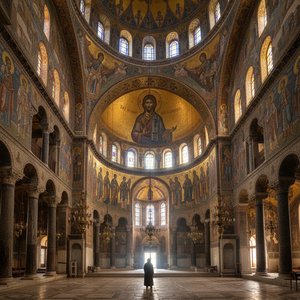
拜占庭艺术的辉煌:从罗马根源到永恒精神的探索
探索拜占庭艺术的辉煌历史与永恒精神!深入了解其罗马根源、基督教主题及精湛技艺。OriginalUniqueArt.com提供高品质手绘复制品和专业艺术咨询,让您领略古典之美。