

 效果预览
效果预览
 分享
分享 分享
分享
 详情
详情

 下载
下载
 相似作品
相似作品 X射线
X射线 幻灯片播放
幻灯片播放 统计数据
统计数据St Peter and the angel
 Acrylic On Canvas
- WallArt
- Baroque Painting
 1650
1650 30.0 x 21.0 cm
 南澳大利亚美术馆
 展开详情
展开详情
艺术微喷/版画
博物馆级艺术微喷或帆布版画,制作高效,并提供多种饰面选择。 ( 购买手绘画作 切换至数字图像销售渠道)




P118B $10

P118H $10

P118W $10

P438Z $10

P508JH $12

P508YH $12

P805H $10

P805Z $10

P919BZ $10

P919G $10

P919XJ $10

P959ZH $10

P968JZ $12

W106C $8

W218G $10

W218JH $8

W218Y $10

W307PJ $10

W316G $10

W316PJ $8

W316Y $10

W398PJ $8

W4111J $10

W500HY $15

W500JH $15

W692G $12

W849H $8

W940BG $15

W953PJ $8




从与原作比例一致的预设尺寸中进行选择。

您可以输入自定义尺寸,以适配特定的画框或空间。如果您选择的尺寸与原图比例不符,我们将对作品进行裁剪,或通过镜像填充/纯色填充边缘的方式来扩展图像。在开始制作之前,我们会向您发送一份数字效果图供您确认。
请注意,屏幕上的预览并不能反映实际的裁剪或扩展效果。只有效果图才能准确展示最终的构图。
虽然我们提供定制尺寸,但为了保持原图比例,我们建议您从预设列表中选择尺寸。


 玻璃选项仅适用于110厘米以下的尺寸。

St Peter and the angel
艺术微喷/版画
复制品尺寸
-


最终总价
$ 80
St Peter and the Angel: A Vision of Divine Comfort
Guercino’s “St Peter and the Angel” is not merely a depiction of biblical figures; it's an intensely felt moment of solace, rendered with a raw emotionalism that distinguishes the artist from his more polished contemporaries. Painted in 1650, this work, measuring a modest 30 x 21 cm, embodies the turbulent spirit of Baroque Italy – a world grappling with religious fervor and social upheaval, yet simultaneously yearning for moments of grace and spiritual connection. The scene unfolds within a dimly lit chamber, suggesting an intimate setting where Peter, depicted in repose on a simple bed, receives comfort from an angel hovering above him. This isn’t the idealized serenity often found in religious art; instead, there's a palpable vulnerability in Peter’s posture, his arms outstretched as if seeking reassurance. The angel, rendered with a gentle, almost melancholic expression, offers not just support but a profound sense of understanding – a silent acknowledgment of earthly burdens.
Guercino’s distinctive style is immediately apparent. He eschews the smooth, polished surfaces favored by many of his time, opting instead for a deliberately rough and expressive application of paint. Notice the visible brushstrokes, particularly in the drapery and the angel's wings, which seem to ripple with movement. This technique, combined with his masterful use of chiaroscuro – the dramatic contrast between light and shadow – creates an atmosphere of heightened emotion and psychological depth. The muted palette, dominated by browns, ochres, and deep blues, further contributes to the painting’s somber yet comforting mood. The artist's background in drawing is evident in the meticulous detail with which he renders Peter’s face and hands, conveying a sense of humanity rarely found in grand religious narratives.
A Study in Symbolism and Spiritual Narrative
Beyond its immediate depiction, “St Peter and the Angel” is rich in symbolic meaning. The bed itself represents vulnerability and surrender – Peter, a figure known for his earthly failings (his denial of Christ), is presented as open to divine grace. The angel’s presence signifies God's unwavering compassion and forgiveness. The positioning of the figures—Peter lying down, the angel standing above—highlights the dynamic between humility and authority, suggesting that true strength lies in acknowledging one’s need for guidance. The overall composition draws heavily on biblical themes of repentance and redemption, but Guercino imbues them with a profoundly personal and relatable quality.
Interestingly, the painting's historical context adds another layer of interpretation. The mid-17th century was a period of intense religious debate in Italy, marked by the Counter-Reformation and the rise of the Catholic Church’s efforts to combat Protestantism. In this environment, art served as a powerful tool for conveying religious messages. Guercino's work, with its emphasis on emotional sincerity and human vulnerability, aligns perfectly with the Church’s desire to reconnect with the faithful through relatable imagery. The scene resonates with the idea of divine mercy—a key tenet of Catholic theology during this era.
The Artist and His Legacy
Giovanni Francesco Barbieri, known as Il Guercino (the squint), was a complex and often misunderstood artist. Born in Cento in 1591, his early life was marked by unconventional training—he largely taught himself, developing a strikingly individual style that defied the conventions of the Bolognese school. His work is characterized by its dramatic intensity, expressive brushwork, and profound psychological insight. Guercino’s career spanned several decades, during which he produced a vast body of paintings, drawings, and etchings. He was particularly renowned for his depictions of biblical scenes and portraits, often infused with a sense of urgency and emotional turmoil.
Despite facing periods of financial hardship and professional setbacks, Guercino remained committed to his artistic vision until his death in 1666. His legacy is one of innovation and emotional depth—he pushed the boundaries of Baroque painting, creating works that continue to captivate viewers with their raw honesty and profound spiritual resonance. Reproductions of “St Peter and the Angel” offer a remarkable opportunity to experience this powerful artwork firsthand, allowing us to appreciate the genius of Guercino’s vision and his enduring contribution to the history of art.
Further Research & Reproduction Details
- Useful Links:
- St Peter's Basilica, Vatican City
- St Peter’s College, Oxford
- St Peter's House, Stromness
Additional Research: The painting is available as a high-quality hand-painted reproduction by OriginalUniqueArt.com, capturing the artist’s signature style and emotional intensity. Explore our collection for a stunning addition to your home or office – a timeless reminder of faith, compassion, and the enduring power of human connection.
艺术家简介
少年时代与早期学艺
乔瓦尼·弗朗切斯科·巴比耶里,世称“格尔基诺”(Il Guercino),这个绰号源于他略带斜视的眼睛,但最终却代表了一种彻底改变巴洛克绘画风格的艺术视野。1591年,格尔基诺出生在费拉拉和博洛尼亚之间的城镇琴托,他的艺术之路并非始于庄严的学院殿堂,而是通过自我探索以及早期对路多维科·卡拉奇(Ludovico Carracci)的学徒生涯开始。这段奠基时期为他日后以强烈情感、戏剧性的明暗对比和深刻的现实主义与理想主义相结合而闻名的风格打下了基础。与许多同时代追求古典完美主义的艺术家不同,格尔基诺的作品充满了原始的人类活力,反映了17世纪意大利动荡的精神氛围。他的早期生活充满着天赋异禀,很快便超越了传统的训练;他并非简单地复制风格,而是开辟了一条属于自己的道路,这条道路沐浴在对光影的内在理解中。从卡拉瓦乔主义到古典优雅:风格转变
格尔基诺的艺术发展并非线性递进,而是一场不同影响和风格探索之间的迷人对话。他早期的作品深受革命性的自然主义大师卡拉瓦乔(Caravaggio)的影响,拥抱鲜明的对比和一种震撼观众的粗犷现实主义。例如,《阿摩嫩与塔玛尔》(Amnon and Tamar)就代表了这一早期阶段——对一个圣经故事的深刻描绘,以毫不妥协的诚实和心理深度呈现。然而,格尔基诺并不满足于仅仅停留在卡拉瓦乔主义的轨道上。在1630年代,由于艺术好奇心和挑剔的赞助人的需求,他的风格发生了关键性的转变。他开始柔化他的调色板,远离严酷的暗影法,转向一种更加明亮和平衡的方法。这种过渡并非仅仅是一种风格上的异想天开;它反映了对古典理想更深入的参与以及创造既具有情感力量又具有美学精致的作品的愿望。这一时期他拥抱了更大的空间深度感和更和谐的构图,正如他在杰作《浪子回头》(The Return of the Prodigal Son)中所展现的那样。圣经叙事与情感共鸣
纵观他的职业生涯,格尔基诺始终以圣经故事作为灵感来源。然而,他并非简单地插图这些故事;而是赋予它们深刻的人类戏剧性和情感共鸣。他的角色不是理想化的圣徒,而是努力应对信仰、怀疑、悔恨和救赎的缺陷个体。 《圣阿洛伊修斯·冈萨加的献身》(The Vocation of Saint Aloysius Gonzaga)就是一个很好的例子——对宗教觉醒的有力描绘,以惊人的技巧和敏感度呈现。格尔基诺捕捉人物内心世界的能力使他与同时代许多艺术家区分开来。他理解真正的虔诚不在于外在的奉献表现,而在于定义致力于信仰的一生的内在斗争和牺牲。这种心理深度,加上他对光影的大师级运用,创造了既视觉上令人惊叹又情感上引人入胜的作品。他不回避描绘困难或不安的时刻,认为这些时刻对于理解人类状况至关重要。持久遗产:影响与重新发现
格尔基诺的影响远远超出了他的一生。他对光影的戏剧性运用以及唤起强烈情感的能力激励了欧洲几代艺术家。尽管他在18世纪和19世纪的声誉有所下降,但由于艺术史学家丹尼斯·马洪(Denis Mahon)的不懈努力,人们对他的作品在20世纪重新产生了赞赏,这很大程度上归功于他。马洪一丝不苟的研究和充满激情的倡导帮助将格尔基诺恢复到巴洛克时期大师的应有位置。今天,他的画作在世界各地享有盛誉的博物馆中被庆祝——从费拉拉的国家美术馆(Pinacoteca Nazionale)到华盛顿特区国家艺术画廊(National Gallery of Art),证明了他持久的艺术天才。- 博物馆和收藏:格尔基诺的作品装饰着像费拉拉的国家美术馆、热那亚的布里尼奥-萨莱宫和罗马斯帕达画廊这样的机构大厅。
- 明暗对比大师:他对光影的戏剧性运用仍然是他风格的一个决定性特征。
- 圣经故事讲述者:他以前所未有的情感深度和心理洞察力将圣经故事带入生活。

圭尔奇诺
1591 - 1666 , 意大利
艺术家简介
- Artistic Movement Or Style: 巴洛克绘画
- Artists Or Movements Influenced By This Artist: ['巴洛克绘画']
- Artists Who Influenced This Artist: ['路多维科·卡拉奇']
- Date Of Birth: 1591年2月8日
- Date Of Death: 1666年12月22日
- Full Name: 乔瓦尼·弗朗切斯科·巴尔比耶里
- Nationality: 意大利国籍
- Notable Artworks (List Of Titles):
- 阿蒙和塔玛尔
- 浪子回头
- 圣阿洛伊修斯被召
- Place Of Birth (City And Country): 意大利琴托市
相关文章

巴洛克艺术的戏剧性辉煌:历史背景、风格特征与持久影响
深入探索巴洛克艺术的辉煌历史、独特风格与持久影响。了解卡拉瓦乔、贝尼尼等大师的作品,洞悉反宗教改革运动下的艺术变革。OriginalUniqueArt.com为您提供专业的艺术解读与高清画作欣赏。

巴洛克艺术巅峰:十部巨作定义时代,点亮您的臻品格调
探索巴洛克艺术的辉煌!本文精选十部巨作,带您领略卡拉瓦乔、伦勃朗等大师的光影魔法与戏剧张力。从黄金时代到宗教绘画,感受奢华与精致。OriginalUniqueArt.com为您提供博物馆品质的艺术复制品和家居装饰灵感。尽在OriginalUniqueArt.com!

Celestial Messengers: A Comprehensive Exploration of Angelic Representation in Art History
Explore the captivating history of angels in art! Discover symbolism, iconic Renaissance masterpieces & renowned artists. Expert insights for art lovers & collectors at OriginalUniqueArt.

Celestial Messengers: Angels in Painting – A Historical & Artistic Exploration
Explore the captivating history of angels in painting! Discover symbolism, iconic Renaissance & Byzantine masterpieces, and renowned artists. Expert insights for art lovers & collectors at OriginalUniqueArt.
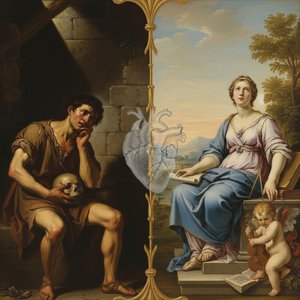
Guercino: A Baroque Master Between Caravaggism & Classicism – Exploring Innovation & Emotional Depth
Explore the captivating world of Guercino, a Baroque master bridging Caravaggism & Classicism. Discover his dramatic chiaroscuro, emotional depth, and lasting influence on art history with OriginalUniqueArt.