
 实景预览
实景预览
 分享
分享 分享
分享
 详情
详情 指南
指南

 下载作品
下载作品
 相似作品
相似作品 X射线
X射线 幻灯片播放
幻灯片播放 问答
问答 统计数据
统计数据Self Portrait


 展开全文
展开全文
艺术微喷/版画
博物馆级艺术微喷或帆布版画,制作高效,并提供多种饰面选择。 ( 订购纯手工绘制画作 切换至数字图像销售渠道)




































您可以从与原作比例一致的预设尺寸中进行选择。

请输入您所需的宽度和高度,以适配您的画框或墙面。由于印刷品只能进行裁剪,无法超出原图尺寸,因此若比例不一致,画面的一部分将会被裁切。在正式印刷之前,我们会为您发送一份数字效果图供您确认。本页面显示的图片并非最终裁剪后的效果——只有效果图才能展示真实的裁剪情况。


 玻璃选项仅适用于110厘米以下的尺寸。

Self Portrait
艺术微喷/版画
复刻品尺寸
-


最终结算价
¥ 544
常见问题与解答
Gordon De La Mothe 的《Self Portrait》 的图像可以自由转载吗?
关于版权,"Self Portrait" 属于 仍受版权保护。
Gordon De La Mothe 的《Self Portrait》 的主导色是什么?
Espresso (#5a4d49) 是 Gordon De La Mothe 的《Self Portrait》 的主导色。
Gordon De La Mothe 的《Self Portrait》 的色彩特征是什么?
Gordon De La Mothe 的《Self Portrait》 的色彩特征:Earthy 色调,以 Espresso (#5a4d49) 为主导。
艺术家简介
A Life Rooted in Grenada, Reimagined Through Art
Gordon de la Mothe’s journey as an artist is inextricably linked to his birthplace, the idyllic island of Carriacou, Grenada. Born in 1933, he absorbed the vibrant culture and raw beauty of his surroundings during his formative years, experiences that would later become a powerful undercurrent in his artistic expression. His early education at the Grenada Boys Secondary School laid a foundation, but it was his move to Luton, England in 1958 that truly ignited a period of profound transformation. This relocation wasn’t merely a geographical shift; it was an immersion into a different world—a world marked by evolving social landscapes and burgeoning civil rights movements. Witnessing the complexities of racial dynamics and societal shifts firsthand profoundly influenced his artistic vision, pushing him to explore themes of identity, sexuality, and the often-fraught relationship between race and representation.Navigating Identity and Challenging Perceptions
De la Mothe’s work is characterized by a fearless exploration of what he terms “racialised beauty.” He doesn't shy away from confronting societal norms or challenging conventional perceptions, instead choosing to celebrate the diverse spectrum of Black identity with honesty and nuance. This commitment manifested early in his career, evolving through various mediums—from sketching and portraiture to more expansive acrylic works. His art became a vehicle for reclaiming narratives, offering counter-representations to dominant stereotypes. The publication of his seminal work, Reconstructing the Black Image in 1993, solidified his position as a critical thinker and advocate for nuanced representation within the art world. It wasn’t simply about depicting Black figures; it was about dismantling preconceived notions and presenting multifaceted portrayals that acknowledged both vulnerability and strength. His sketches of Rastafari figures from 1981, for example, are not merely observational studies but intimate glimpses into a culture often misunderstood or misrepresented.A Return to Roots and Continued Recognition
After over three decades living in England, de la Mothe made the poignant decision to return to Grenada in the 1990s. This wasn’t an abandonment of his artistic pursuits but rather a homecoming—a chance to reconnect with the source of his inspiration and contribute directly to the cultural landscape of his birthplace. His self-portrait from 2009, titled ‘A Matter of Reflection’, offers a compelling insight into this period of introspection. The painting is rich in detail, capturing not just his physical likeness but also a sense of quiet contemplation—a seasoned artist looking back on a life lived between two worlds. This return to Grenada wasn’t simply about personal fulfillment; it was about sharing his knowledge and experience as an art teacher, nurturing the next generation of Caribbean artists.Legacy and Achievements
De la Mothe's contributions extend beyond the canvas. His dedication to art education and activism earned him the prestigious Order of the British Empire (OBE) award in 2015 for his services to art on Grenada. This recognition wasn’t just a celebration of his artistic talent but also an acknowledgement of his unwavering commitment to cultural preservation and social justice. His works, including poignant portraits like “Drawing of Len Garrison” from 1991, are now held in museum collections—testaments to their enduring power and historical significance. His art continues to resonate with audiences today, sparking dialogue about race, identity, and the importance of reclaiming one’s narrative. He stands as a pivotal figure within Caribbean diaspora art, bridging cultural gaps and challenging conventional artistic boundaries.Themes and Techniques
De la Mothe's technical skill is evident in his mastery of various mediums, particularly pastel and acrylic. His portraits are often characterized by realistic detail combined with expressive brushwork, creating a sense of intimacy and emotional depth. He frequently employs grayscale palettes to emphasize form and texture, allowing the subject’s personality to shine through. Beyond technique, however, lies a deeper thematic consistency. Race relations, sexuality, and the exploration of Black British Art are recurring motifs in his work. He doesn't shy away from complex subjects, often using self-portraiture as a means of personal reflection and social commentary. His landscapes and townscapes, particularly those created during his time in Maidstone, offer a unique perspective on the everyday lives of people within a specific cultural context. Ultimately, Gordon de la Mothe’s art is a testament to the power of representation—a powerful voice challenging perceptions and celebrating the beauty of human diversity.
Gordon De La Mothe
1933 - , Grenada
艺术家简介
- Artistic Movement Or Style: Portraiture, Sketching
- Date Of Birth: 1933
- Full Name: Gordon de la Mothe
- Nationality: Grenadian
- Notable Artworks:
- Drawing of Len Garrison
- Self Portrait
- Rastafari Sketch No.1
- Place Of Birth: Carriacou, Grenada
相关文章

About Us
Discover our story! We bring world-class art into your life through expert curation, personalized creations, and free previews. Trusted by individuals and businesses since 2000.
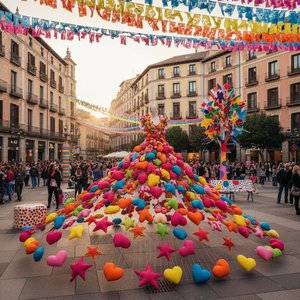
Águeda Ruiz de la Prada: A Study of Eclecticism & Emotional Resonance in Contemporary Spanish Painting
Discover the vibrant world of Ágatha Ruiz de la Prada, a leading figure in contemporary Spanish art. Explore her eclectic style, emotional depth & legacy – a must-read for discerning collectors.

Maurice Quentin de La Tour: Light, Shadow & the Rococo Portrait
Explore the captivating world of Maurice Quentin de La Tour, a master of Rococo portraiture. Discover his innovative pastel techniques, intimate depictions of French aristocracy, and lasting artistic legacy. Learn more at OriginalUniqueArt.

戈雅大师25幅杰作:西班牙灵魂的艺术之旅| OriginalUniqueArt
探索戈雅大师的25幅杰作!深入了解西班牙绘画巨匠Francisco Goya的艺术世界,从洛可可到浪漫主义风格,感受黑加仑时代的情感力量。OriginalUniqueArt.com提供高品质油画复制品和家居装饰灵感。立即在线发现所有名画!

The Soft Power of Pastel: A Connoisseur's Guide to History, Technique, and the Art of Texture
Explore the ethereal beauty of pastel art. From Renaissance origins to Impressionist mastery, discover the history, technique, and velvety textures that define this luminous medium in our expert guide for art connoisseurs.