 切换至版画销售渠道
 展开全文
展开全文







































 对于任何边长超过 105 厘米(约 41 英寸)的艺术品或复制品,画框将以拆解后的组件形式发货。此方法可确保安全送达并防止运输过程中的损坏。


Giuseppe Maria Crespi’s “Baptism”: A Window into Bolognese Baroque Life
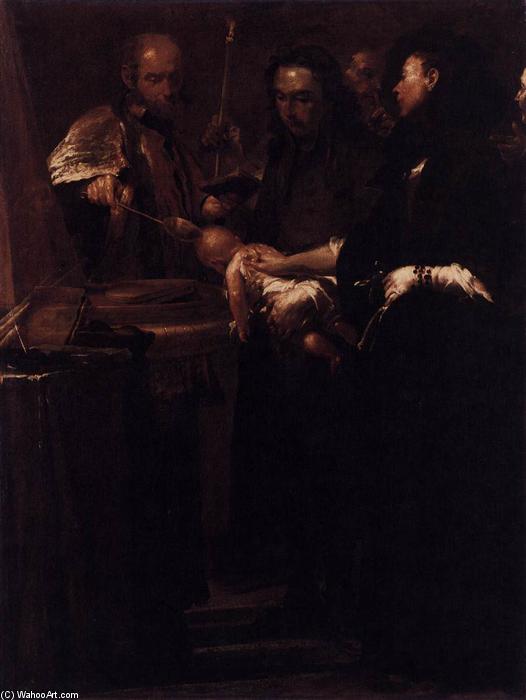
Giuseppe Maria Crespi's "Baptism," completed in 1712, isn’t merely a depiction of a religious ceremony; it’s a remarkably intimate portrait of human interaction and the subtle dramas unfolding within a seemingly ordinary scene. Housed at the Gemäldegalerie in Dresden, Germany, this oil on canvas offers a captivating glimpse into the world of 18th-century Bologna, revealing a painter who defied convention and prioritized capturing the essence of everyday life with an unparalleled sensitivity.
Crespi, nicknamed “Lo Spagnuolo” for his penchant for fashionable Spanish attire, was a revolutionary figure in Bolognese art. Unlike many of his contemporaries who flocked to Rome, he remained rooted in his hometown, forging a unique style that blended religious subjects with scenes of domestic life – a bold move at the time. "Baptism" exemplifies this approach; it’s not an idealized representation of faith but a grounded observation of a pivotal moment within a family and community. The painting immediately draws the eye to the central figures: a baby being baptized by a priest, framed against a backdrop of muted colors and carefully orchestrated light.
Composition and Symbolism: Layers of Meaning
The composition is masterfully balanced, guiding the viewer’s gaze through the scene with subtle yet effective techniques. The priest, positioned slightly to the left, holds aloft a holy book and a cross – potent symbols of his role in the sacrament. His gesture is deliberate, conveying both solemnity and compassion. Beside him stands a woman, likely the child's mother or another significant female figure, dressed in a simple black gown with elegant white gloves; her posture suggests quiet reverence and perhaps a touch of maternal concern. To the right, two men observe the ceremony, one holding a candle – a visual representation of illumination and purity – while the other consults a book, possibly referencing scripture or reflecting on the significance of the event.
Beyond these immediate figures, the background contributes significantly to the painting’s layered symbolism. The dark room, punctuated by a window allowing natural light to stream in, creates a dramatic contrast between light and shadow – a technique known as chiaroscuro. This isn't simply an aesthetic choice; it emphasizes the central figures, drawing attention to their emotions and actions while simultaneously hinting at the mysteries of faith. The architectural details, though understated, contribute to the overall sense of realism and grounding the scene in a specific time and place.
Technique and Artistic Style: A Masterclass in Observation
Crespi’s skill lies not just in his ability to depict figures accurately but in his remarkable capacity for observation. He captures the nuances of human expression – the furrowed brow, the gentle smile, the attentive gaze – with astonishing realism. The brushstrokes are loose and expressive, contributing to a sense of immediacy and spontaneity. The use of color is restrained, favoring muted tones that allow the figures and their emotions to take center stage. Crespi’s mastery of chiaroscuro further enhances this effect, creating a dynamic interplay between light and shadow that adds depth and drama to the scene.
Furthermore, the painting reflects the Baroque style prevalent in Bologna during the early 18th century – characterized by dramatic lighting, rich textures, and an emphasis on emotional intensity. However, Crespi departs from traditional Baroque conventions by focusing on everyday life rather than grand historical or mythological subjects. This shift marked a significant departure from established artistic norms and solidified his reputation as a groundbreaking artist.
A Window into the Soul: Emotional Resonance
"Baptism" is more than just a depiction of a religious ceremony; it’s a poignant meditation on family, faith, and the enduring mysteries of life. The painting's quiet intimacy invites viewers to contemplate the significance of this pivotal moment in a child’s life – a moment that marks not only their entry into the Christian community but also the beginning of a lifelong journey of faith and understanding. The subtle expressions of the figures, combined with Crespi’s masterful use of light and shadow, evoke a powerful sense of emotion—a blend of reverence, hope, and quiet joy. It's a testament to Crespi’s ability to capture the essence of human experience and transform it into a timeless work of art.
常见问题与解答
朱塞佩·玛利亚·克雷斯皮 的《Baptism》 是否属于公有领域?
朱塞佩·玛利亚·克雷斯皮 的《Baptism》 属于 属于公有领域 —— 其版权已过期。此版权状态决定了该作品图像的复制方式。
朱塞佩·玛利亚·克雷斯皮 的《Baptism》 的构图以什么颜色为主导?
在“Baptism”中,最引人注目的颜色是Black (#0d080f)。了解作品的主色调有助于将其与室内装饰进行搭配。
朱塞佩·玛利亚·克雷斯皮 的《Baptism》 中呈现了哪些主题?
朱塞佩·玛利亚·克雷斯皮 的《Baptism》 中呈现的主题包括 religion, baptism, ceremony, spirituality, family, light, shadow, symbolism,这些主题共同构成了该艺术作品的主旨。
 实景预览
实景预览
 分享
分享 分享
分享
 详情
详情 指南
指南

 下载作品
下载作品
 相似作品
相似作品 X射线
X射线 幻灯片播放
幻灯片播放 问答
问答 统计数据
统计数据





