

 实景预览
实景预览
 发送
发送 分享
分享
 详情
详情 指南
指南

 下载图片
下载图片
 相似作品
相似作品 X射线
X射线 幻灯片播放
幻灯片播放 统计数据
统计数据The Flight into Egypt
 Oil On Panel
- Baroque
 1595
1595 47.0 x 34.0 cm
 博尔盖塞美术馆
 阅读全文
阅读全文
艺术微喷/版画
博物馆级艺术微喷或帆布版画,制作高效,并提供多种饰面选择。 ( 订购此收藏品的纯手工复刻画作 切换至数字图像销售渠道)




P118B ¥10

P118H ¥10

P118W ¥10

P438Z ¥10

P508JH ¥12

P508YH ¥12

P805H ¥10

P805Z ¥10

P919BZ ¥10

P919G ¥10

P919XJ ¥10

P959ZH ¥10

P968JZ ¥12

W106C ¥8

W218G ¥10

W218JH ¥8

W218Y ¥10

W307PJ ¥10

W316G ¥10

W316PJ ¥8

W316Y ¥10

W398PJ ¥8

W4111J ¥10

W500HY ¥15

W500JH ¥15

W692G ¥12

W849H ¥8

W940BG ¥15

W953PJ ¥8




您可以从与原作比例一致的预设尺寸中进行选择。

您可以输入自定义尺寸,以适配特定的画框或空间。如果您选择的尺寸与原图比例不符,我们将对作品进行裁剪,或通过镜像填充/纯色填充边缘的方式来扩展图像。在开始制作之前,我们会向您发送一份数字效果图供您确认。
请注意,屏幕上的预览并不能反映实际的裁剪或扩展效果。只有效果图才能准确展示最终的构图。
虽然我们提供定制尺寸,但为了保持原图比例,我们建议您从预设列表中选择尺寸。


 玻璃选项仅适用于110厘米以下的尺寸。

The Flight into Egypt
艺术微喷/版画
复刻品尺寸说明
-


总计金额
¥ 539
The Flight into Egypt by Giuseppe Cesari – A Baroque Narrative of Faith and Refuge
Giuseppe Cesari’s “The Flight into Egypt,” completed in 1595, is more than just a biblical scene; it's a meticulously crafted tableau brimming with symbolic depth and the palpable drama characteristic of the late Mannerist and early Baroque periods. Housed within the Galleria Borghese in Rome, this oil-on-panel work offers a rare glimpse into the artistic sensibilities of a master often overshadowed by his more celebrated contemporaries, yet undeniably possessing a profound understanding of light, composition, and emotional resonance.
The painting immediately draws the viewer into a world of heightened realism and carefully orchestrated movement. Cesari’s masterful use of chiaroscuro – the dramatic interplay of light and shadow – dominates the scene, lending it an almost theatrical quality. The figures are bathed in a warm, golden glow emanating from an unseen source, while the surrounding landscape is plunged into relative darkness, creating a powerful sense of depth and emphasizing the urgency of their flight. Notice how the artist subtly employs atmospheric perspective; distant trees recede into a hazy blue, further enhancing the illusion of space and conveying the vastness of the journey.
At the heart of the composition lies Mary, seated on a humble donkey, her posture radiating both vulnerability and unwavering faith. She cradles the infant Jesus with an expression of serene devotion, his face tilted upwards as if receiving guidance from above. Joseph, depicted as a strong and protective figure, guides their way, his hand outstretched to ensure their safety. The figures are not idealized; they possess a tangible humanity – Mary’s slightly furrowed brow, Joseph's weary but determined gaze – which imbues the scene with an immediate sense of connection. The detail in their clothing—Mary’s vibrant red dress contrasting sharply with the muted tones of the landscape—adds to the visual richness and reinforces the narrative’s central theme of refuge and protection.
A Mannerist Foundation, a Baroque Expression
Cesari's work firmly resides within the Mannerist tradition, a transitional period between the High Renaissance and the Baroque. While retaining elements of classical balance and proportion, Mannerism embraced exaggeration, stylized forms, and an intense emotionality – qualities that would be further amplified in the Baroque era. The elongated figures, the dramatic lighting, and the heightened sense of movement all reflect these influences. However, Cesari’s style is distinct from the more overtly theatrical works of artists like Bronzino or Parmigianino; there's a quiet dignity and emotional restraint that sets his work apart.
The painting’s landscape, painted with meticulous detail, isn’t merely a backdrop but an integral part of the narrative. It’s a stylized representation of the countryside, incorporating elements like a temple – likely referencing the Temple of the Sibyl at Tivoli, a frequent motif in Italian art – which symbolizes prophecy and divine guidance. The inclusion of a small bird soaring overhead adds to the sense of movement and urgency, suggesting that their journey is fraught with peril.
Symbolism and Narrative Resonance
“The Flight into Egypt” is rich in symbolic meaning. The flight itself represents not only Mary and Joseph’s escape from Herod's murderous intent but also a deeper allegory of the Holy Family’s rejection of worldly power and their embrace of spiritual truth. The donkey, a humble animal, symbolizes humility and service – qualities essential to the Christian narrative. The infant Jesus, bathed in light, embodies divine grace and salvation.
The painting's enduring appeal lies in its ability to evoke a profound sense of empathy and wonder. It’s a timeless depiction of faith, family, and the struggle for survival—themes that resonate deeply with viewers across cultures and generations. The scene captures a moment of intense vulnerability and unwavering hope, reminding us of the power of love and devotion in the face of adversity.
A Masterpiece for the Collector
Reproductions of “The Flight into Egypt” by Giuseppe Cesari offer an exceptional opportunity to bring this captivating artwork into your home or office. OriginalUniqueArt’s hand-painted reproductions faithfully capture the original's intricate details, vibrant colors, and dramatic lighting, ensuring that you own a piece of art history. Whether displayed in a grand salon or a cozy study, this painting will undoubtedly serve as a source of inspiration and contemplation for years to come.
For more information about Cesari’s life and work, and to explore other stunning reproductions available at OriginalUniqueArt.com, please visit the links provided below:
- The Flight into Egypt
- The Rest on the Flight into Egypt
- The Rest on the Flight into Egypt (Detail)
- Giuseppe Cesari
Explore further with these additional resources:
艺术家简介
朱塞佩·切萨里:矫饰主义宏伟风格的大师
朱塞佩·切萨里(Giuseppe Cesari)约出生于1568年的阿尔皮诺,并于1640年在罗马溘然长逝。在意大利艺术史那如织锦般绚烂的篇章中,他始终是一个迷人却又略显神秘的人物。尽管他并不总是像同时代的艺术家——尤其是那些与盛期文艺复兴或巴洛克风格紧密相连的大师们那样,享有如雷贯耳的狂热赞誉,但切萨里的艺术生涯跨越了一个非凡的时代。他不仅见证了艺术风格与赞助机制的关键转变,更积极地参与其中。他的故事交织着雄心壮志、精湛技艺,以及在罗马辉煌艺术盛景中为建立持久地位而进行的持久奋斗。作为矫饰主义时期的关键人物,他是连接文艺复兴古典理想与后来定义巴洛克时代的戏剧性创新的风格桥梁。 切萨里的早年生活仍笼罩在某种神秘的面纱之下,但普遍认为他出生于阿尔皮向,那是一座坐落在罗马与那不勒斯之间的宁静小镇。他的父亲同名也叫朱塞佩,也是一名画家,这为年轻的朱塞佩提供了最初的艺术技法启蒙。然而,真正塑造他职业轨迹的是迁往罗马的经历。当时的罗马处于教皇赞助的核心地位,是吸引全意大利乃至更广阔地区艺术家的磁石,这里既提供了无与伦比的机会,也充满了激烈的竞争。他最初师从贝内德托·切萨尼(Benedetto Cesani),这位画家以其在梵蒂冈创作的湿壁画而闻名;随后,他逐渐与著名建筑师卡洛·马德尔诺(Carlo Maderno)建立了联系。这段关系被证明至关重要,它为切萨里开启了获得重大委任的大门,并让他得以结识罗马艺术界极具影响力的人物。宫廷画家的崛起
在教皇克莱门特八世(1592-1605)统治时期,切萨里的事业真正迎来了巅峰。他迅速确立了自己作为一名备受追捧的画家的地位,通过获得一系列享有盛誉的委任,不仅巩固了自己的名声,也为自己带来了丰厚的财富。他最辉煌的成就无疑在于参与了圣彼得大教堂的装饰工作。在1603年至1612年间,他受命设计装饰穹顶的壮丽马赛克——这是一项展现其技术造诣与艺术雄心的宏伟工程。这些描绘基督生平与圣母玛利亚场景的马赛克作品,被视为矫饰主义马赛克艺术中最杰出的典范之一。除了圣彼得大教堂,切萨里还承接了罗马各地宫殿、教堂及私人府邸的众多湿壁画委任。他是一位多产的艺术家,创作了大量反映其多样化技能与风格偏好的作品。风格与技法
切萨里的艺术风格常被描述为典型的矫饰主义,其特征在于优雅、精致与繁复的细节。他的构图通常追求平衡与对称,体现了朱利奥·罗马诺(Giulio Romano)和庞托莫(Pontormo)等艺术家的影响。他运用丰富的色彩调色盘,并经常使用金箔来营造一种华丽与宏伟的感官体验。虽然他在湿壁画创作方面展现了卓越的技艺——这在圣彼得大教堂的作品中尤为明显——但他在创作“内阁画”(即用于私人展示的小型绘画)方面同样游刃有余。这些作品频繁描绘宗教或神话题材,执行过程极其注重细节,并带有明显的弗兰德斯风格影响。他的风格常被评价为圆润且带有某种矫饰感,相比于后来像卡拉瓦乔(Caravaggio)那样具有原始情感冲击力的巴洛克艺术家,他的作品少了一份狂放的张力。影响与传承
切萨里的艺术发展无疑深受其所处时代罗马流行多样化风格的影响。他吸收了盛期文艺复兴大师——拉斐尔与米开朗基罗的精髓,同时也参与了矫饰主义中那些更为奇特、怪诞的倾向。他与当时领先建筑师卡洛·马德尔诺的交往,进一步拓宽了他的艺术视野,使他接触到了创新的建筑概念与设计原则。尽管取得了巨大的成功,切萨里的历史地位却仍带有一种模糊性。虽然他在生前享有广泛的声望,但他的作品在后世往往被视为技艺精湛,却在原创性或情感深度上略显不足。然而,他对圣彼得大教堂装饰工作的贡献,确保了他的名字将永远与基督教世界最标志性的地标之一紧密相连。一位被遗忘的大师?
朱塞佩·切萨里的故事是一个深刻的提醒,它让我们看到艺术家在应对文艺复兴时期复杂且竞争激烈的赞助体系时所面临的挑战。他的职业生涯交织着辉煌与寂寥,为研究欧洲艺术史上这一关键时期艺术生产与接受的动态提供了宝贵的视角。尽管他常被那些更负盛名的同时代艺术家所掩盖,但切萨里的作品因其精湛的技术、优雅的风格以及对罗马视觉景观的重要贡献,依然持续受到人们的研究与赞赏。通过进一步的研究与批判性的重新评估,我们或许能对这位常被忽视的矫饰主义宏伟风格大师,产生更深层次的理解。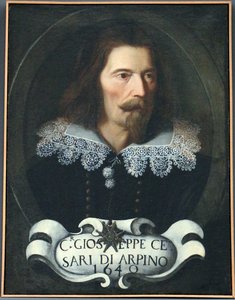
朱塞佩·切萨里
1568 - 1640
快速概览
- Artistic Movement Or Style: 风格主义
- Artists Or Movements Influenced By This Artist: ['佛兰芒风格主义']
- Artists Who Influenced This Artist: ['卡拉瓦乔']
- Date Of Birth: 1568年
- Date Of Death: 1640年
- Full Name: 朱塞佩·切萨里
- Nationality: 意大利
- Notable Artworks: ['圣彼得大教堂马赛克']
- Place Of Birth: 意大利,阿尔皮诺
相关文章
Mannerism's Masters: 10 Artworks That Redefined Renaissance Style | OriginalUniqueArt
Explore 10 defining Mannerism masterpieces – from Pontormo to El Greco. Discover the stories behind these Renaissance paintings, their unique style & symbolism. Find museum-quality art reproductions at OriginalUniqueArt.com and elevate your home decor.

Elegance & Distortion: A Cultural Reflection on the Captivating World of Northern Mannerism
Embark on a cultural journey through Northern Mannerism. Discover how artists moved from Renaissance harmony to an era of elegant distortion, psychological depth, and exquisite tension in the 16th-century European art landscape.
Beyond Perfection: The Dramatic Elegance and Intellectual Tension of Renaissance Mannerism
Explore the captivating world of Renaissance Mannerism. Discover how artists moved beyond High Renaissance harmony into a realm of elegant distortion, psychological tension, and dramatic beauty that bridged the gap to the Baroque era.

Mannerism: Bridging Renaissance Harmony & Baroque Drama – A Study of Style & Affectation
Explore the fascinating world of Mannerism! Discover its key characteristics, pioneering artists like Pontormo & Bronzino, and its pivotal role in bridging Renaissance harmony to Baroque drama. A comprehensive guide for art enthusiasts.

Northern Mannerism: The Dramatic Evolution of European Art through Elegant Distortion and Tension
Explore the dramatic evolution of Northern Mannerism. Discover how 16th-century artists moved from Renaissance harmony to elegant distortion, tension, and complex symbolism in European art history.
