

 效果预览
效果预览
 分享
分享 分享
分享
 详情
详情

 下载
下载
 相似作品
相似作品 X射线
X射线 幻灯片播放
幻灯片播放 统计数据
统计数据Diana and Actaeon (detail)


 展开详情
展开详情
艺术微喷/版画
博物馆级艺术微喷或帆布版画,制作高效,并提供多种饰面选择。 ( 购买手绘画作 切换至数字图像销售渠道)




P118B $10

P118H $10

P118W $10

P438Z $10

P508JH $12

P508YH $12

P805H $10

P805Z $10

P919BZ $10

P919G $10

P919XJ $10

P959ZH $10

P968JZ $12

W106C $8

W218G $10

W218JH $8

W218Y $10

W307PJ $10

W316G $10

W316PJ $8

W316Y $10

W398PJ $8

W4111J $10

W500HY $15

W500JH $15

W692G $12

W849H $8

W940BG $15

W953PJ $8




从与原作比例一致的预设尺寸中进行选择。

您可以输入自定义尺寸,以适配特定的画框或空间。如果您选择的尺寸与原图比例不符,我们将对作品进行裁剪,或通过镜像填充/纯色填充边缘的方式来扩展图像。在开始制作之前,我们会向您发送一份数字效果图供您确认。
请注意,屏幕上的预览并不能反映实际的裁剪或扩展效果。只有效果图才能准确展示最终的构图。
虽然我们提供定制尺寸,但为了保持原图比例,我们建议您从预设列表中选择尺寸。


 玻璃选项仅适用于110厘米以下的尺寸。

Diana and Actaeon (detail)
艺术微喷/版画
复制品尺寸
-


最终总价
$ 80
Giuseppe Cesari’s Diana and Actaeon: A Mannerist Vision of Mythic Drama
Giuseppe Cesari (1568 – 1640), a sculptor and painter hailing from Arpino, represents an intriguing crossroads within the artistic landscape of Renaissance Italy. While overshadowed by the monumental achievements of Michelangelo and Raphael during his formative years, Cesari’s career blossomed into a period of considerable renown, particularly in Rome where he served as court artist to Cardinal Scipione Borghese – securing him commissions that would solidify his reputation as one of Mannerist grandeur's foremost practitioners. This painting, “Diana and Actaeon,” exemplifies the stylistic sensibilities of this transitional era, skillfully blending classical influences with expressive distortions characteristic of the movement.- Subject Matter & Narrative: The artwork depicts a scene from Greek mythology – Diana, goddess of chastity and hunting, confronting Actaeon, a nymph transformed into a stag by Hera’s wrath. This narrative embodies themes of retribution, transgression, and divine justice; Cesari meticulously portrays the unfolding drama with dramatic lighting and carefully orchestrated poses.
- Style & Technique: Cesari's approach aligns squarely with Mannerist aesthetics. Departing from the harmonious proportions and idealized forms favored by earlier Renaissance artists, he embraces stylized figures rendered in exaggerated musculature and drapery folds—a deliberate rejection of classical ideals. The use of oil paint on copper contributes to a luminous surface finish that enhances the visual impact of the composition.
Historical Context: Rome Under Scipione Borghese’s Patronage
Cesari's artistic endeavors flourished during Cardinal Scipione Borghese’s ambitious reign—a period marked by fervent patronage and a desire to elevate Roman art to unparalleled heights. Borghese recognized Cesari’s talent and commissioned numerous works, including monumental sculptures and paintings that adorned his villa – transforming it into a veritable temple of Baroque splendor. This association profoundly influenced Cesari's artistic output, pushing him toward bolder experimentation and dramatic visual effects.- Symbolism: The depiction of Diana and Actaeon is laden with symbolic significance. Diana represents purity and moral fortitude, while Actaeon embodies hubris—excessive pride—and disregard for divine law. Hera’s intervention serves as a potent reminder of the consequences of defying celestial authority.
- Emotional Impact: Cesari achieves an arresting emotional resonance through masterful manipulation of chiaroscuro – dramatic contrasts between light and shadow – creating a palpable sense of tension and unease. The viewer is drawn into the unfolding drama, experiencing the horror of Actaeon’s transformation and Diana's resolute determination.
A Legacy Amidst Artistic Change
Despite Cesari’s untimely death in 1640, “Diana and Actaeon” stands as a testament to his artistic prowess—a captivating example of Mannerist art that foreshadowed the stylistic innovations of the Baroque. Its meticulous execution, combined with its evocative portrayal of mythological narrative and profound symbolic depth, continues to inspire admiration among scholars and collectors alike. The painting’s enduring appeal resides in its ability to convey complex emotions and explore timeless themes – cementing Cesari's place as a pivotal figure in Italian art history.艺术家简介
朱塞佩·切萨里:矫饰主义宏伟风格的大师
朱塞佩·切萨里(Giuseppe Cesari)约出生于1568年的阿尔皮诺,并于1640年在罗马溘然长逝。在意大利艺术史那如织锦般绚烂的篇章中,他始终是一个迷人却又略显神秘的人物。尽管他并不总是像同时代的艺术家——尤其是那些与盛期文艺复兴或巴洛克风格紧密相连的大师们那样,享有如雷贯耳的狂热赞誉,但切萨里的艺术生涯跨越了一个非凡的时代。他不仅见证了艺术风格与赞助机制的关键转变,更积极地参与其中。他的故事交织着雄心壮志、精湛技艺,以及在罗马辉煌艺术盛景中为建立持久地位而进行的持久奋斗。作为矫饰主义时期的关键人物,他是连接文艺复兴古典理想与后来定义巴洛克时代的戏剧性创新的风格桥梁。 切萨里的早年生活仍笼罩在某种神秘的面纱之下,但普遍认为他出生于阿尔皮向,那是一座坐落在罗马与那不勒斯之间的宁静小镇。他的父亲同名也叫朱塞佩,也是一名画家,这为年轻的朱塞佩提供了最初的艺术技法启蒙。然而,真正塑造他职业轨迹的是迁往罗马的经历。当时的罗马处于教皇赞助的核心地位,是吸引全意大利乃至更广阔地区艺术家的磁石,这里既提供了无与伦比的机会,也充满了激烈的竞争。他最初师从贝内德托·切萨尼(Benedetto Cesani),这位画家以其在梵蒂冈创作的湿壁画而闻名;随后,他逐渐与著名建筑师卡洛·马德尔诺(Carlo Maderno)建立了联系。这段关系被证明至关重要,它为切萨里开启了获得重大委任的大门,并让他得以结识罗马艺术界极具影响力的人物。宫廷画家的崛起
在教皇克莱门特八世(1592-1605)统治时期,切萨里的事业真正迎来了巅峰。他迅速确立了自己作为一名备受追捧的画家的地位,通过获得一系列享有盛誉的委任,不仅巩固了自己的名声,也为自己带来了丰厚的财富。他最辉煌的成就无疑在于参与了圣彼得大教堂的装饰工作。在1603年至1612年间,他受命设计装饰穹顶的壮丽马赛克——这是一项展现其技术造诣与艺术雄心的宏伟工程。这些描绘基督生平与圣母玛利亚场景的马赛克作品,被视为矫饰主义马赛克艺术中最杰出的典范之一。除了圣彼得大教堂,切萨里还承接了罗马各地宫殿、教堂及私人府邸的众多湿壁画委任。他是一位多产的艺术家,创作了大量反映其多样化技能与风格偏好的作品。风格与技法
切萨里的艺术风格常被描述为典型的矫饰主义,其特征在于优雅、精致与繁复的细节。他的构图通常追求平衡与对称,体现了朱利奥·罗马诺(Giulio Romano)和庞托莫(Pontormo)等艺术家的影响。他运用丰富的色彩调色盘,并经常使用金箔来营造一种华丽与宏伟的感官体验。虽然他在湿壁画创作方面展现了卓越的技艺——这在圣彼得大教堂的作品中尤为明显——但他在创作“内阁画”(即用于私人展示的小型绘画)方面同样游刃有余。这些作品频繁描绘宗教或神话题材,执行过程极其注重细节,并带有明显的弗兰德斯风格影响。他的风格常被评价为圆润且带有某种矫饰感,相比于后来像卡拉瓦乔(Caravaggio)那样具有原始情感冲击力的巴洛克艺术家,他的作品少了一份狂放的张力。影响与传承
切萨里的艺术发展无疑深受其所处时代罗马流行多样化风格的影响。他吸收了盛期文艺复兴大师——拉斐尔与米开朗基罗的精髓,同时也参与了矫饰主义中那些更为奇特、怪诞的倾向。他与当时领先建筑师卡洛·马德尔诺的交往,进一步拓宽了他的艺术视野,使他接触到了创新的建筑概念与设计原则。尽管取得了巨大的成功,切萨里的历史地位却仍带有一种模糊性。虽然他在生前享有广泛的声望,但他的作品在后世往往被视为技艺精湛,却在原创性或情感深度上略显不足。然而,他对圣彼得大教堂装饰工作的贡献,确保了他的名字将永远与基督教世界最标志性的地标之一紧密相连。一位被遗忘的大师?
朱塞佩·切萨里的故事是一个深刻的提醒,它让我们看到艺术家在应对文艺复兴时期复杂且竞争激烈的赞助体系时所面临的挑战。他的职业生涯交织着辉煌与寂寥,为研究欧洲艺术史上这一关键时期艺术生产与接受的动态提供了宝贵的视角。尽管他常被那些更负盛名的同时代艺术家所掩盖,但切萨里的作品因其精湛的技术、优雅的风格以及对罗马视觉景观的重要贡献,依然持续受到人们的研究与赞赏。通过进一步的研究与批判性的重新评估,我们或许能对这位常被忽视的矫饰主义宏伟风格大师,产生更深层次的理解。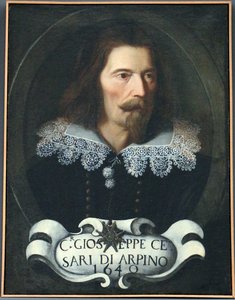
朱塞佩·切萨里
1568 - 1640
艺术家简介
- Artistic Movement Or Style: 风格主义
- Artists Or Movements Influenced By This Artist: ['佛兰芒风格主义']
- Artists Who Influenced This Artist: ['卡拉瓦乔']
- Date Of Birth: 1568年
- Date Of Death: 1640年
- Full Name: 朱塞佩·切萨里
- Nationality: 意大利
- Notable Artworks: ['圣彼得大教堂马赛克']
- Place Of Birth: 意大利,阿尔皮诺
相关文章

Drama and Light: A Definitive Guide to the Italian Baroque Masterpieces and the Revolution of Chiaroscuro
Explore the dramatic world of Italian Baroque art. Discover how masters like Caravaggio used chiaroscuro and tenebrism to revolutionize painting through light, shadow, and profound realism. A definitive guide for history lovers and art collectors.

巴洛克艺术的戏剧性辉煌:历史背景、风格特征与持久影响
深入探索巴洛克艺术的辉煌历史、独特风格与持久影响。了解卡拉瓦乔、贝尼尼等大师的作品,洞悉反宗教改革运动下的艺术变革。OriginalUniqueArt.com为您提供专业的艺术解读与高清画作欣赏。

Italian Baroque Unlocked: High-Drama Art That Hits Hard
Dive into the high-drama world of Italian Baroque art. Discover how chiaroscuro, intense emotion, and theatrical lighting redefined aesthetics. Explore the visceral power of the Counter-Reformation through a modern lens with expert insights from OriginalUniqueArt.com.

巴洛克艺术巅峰:十部巨作定义时代,点亮您的臻品格调
探索巴洛克艺术的辉煌!本文精选十部巨作,带您领略卡拉瓦乔、伦勃朗等大师的光影魔法与戏剧张力。从黄金时代到宗教绘画,感受奢华与精致。OriginalUniqueArt.com为您提供博物馆品质的艺术复制品和家居装饰灵感。尽在OriginalUniqueArt.com!

巴洛克戏剧性:将辉煌与情感融入当代室内设计
探索巴洛克艺术的辉煌与奢华!OriginalUniqueArt提供精湛的手工油画复制、定制服务和专业艺术咨询,助您将经典作品融入当代室内设计,提升家居品味。投资艺术,传承价值。
