切换至版画销售渠道
 展开全文
展开全文







































 对于任何边长超过 105 厘米(约 41 英寸)的艺术品或复制品,画框将以拆解后的组件形式发货。此方法可确保安全送达并防止运输过程中的损坏。


Giuseppe Arcimboldo: A Renaissance Vision of Nature
Giuseppe Arcimboldo’s portraits are not merely depictions of individuals; they are elaborate visual puzzles that invite contemplation and reward careful observation. Born in Milan in 1527, Arcimboldo defied convention by crafting his masterpieces from meticulously arranged fruits, vegetables, flowers, books, and musical instruments—a technique that cemented his place as one of the most singular figures of the Renaissance.
- The Surreal Approach: Unlike traditional portraiture which aimed for realistic likeness, Arcimboldo embraced a deliberately fantastical aesthetic. He skillfully manipulated perspective and shading to create composite heads that seemed simultaneously familiar and utterly otherworldly.
- Symbolic Language: Each element within Arcimboldo’s portraits carried profound symbolic weight. Fruits represented fertility and abundance, vegetables symbolized vitality and growth, flowers conveyed beauty and grace, books signified intellect and knowledge, and musical instruments alluded to harmony and artistic expression.
- Renaissance Ideals: Arcimboldo's work reflects the humanist spirit of the Renaissance—a fascination with classical learning, a belief in human potential, and an appreciation for the natural world. He drew inspiration from ancient allegories and myths, transforming them into innovative visual narratives.
Consider “Vertumnus,” Arcimboldo’s iconic depiction of Holy Roman Emperor Rudolf II. The portrait is dominated by a meticulously constructed head composed of fruits—apples, pears, plums—representing the seasons and embodying the emperor's regal authority. The artist’s masterful use of color and texture elevates the image beyond mere assemblage; it becomes a testament to Arcimboldo’s artistic genius and his ability to communicate complex ideas through deceptively simple forms.
Arcimboldo’s influence extends far beyond the confines of his own time, inspiring artists throughout subsequent centuries. His pioneering approach to portraiture continues to captivate audiences today, reminding us that art can transcend boundaries of convention and offer glimpses into deeper truths about human nature and the beauty of the natural world.
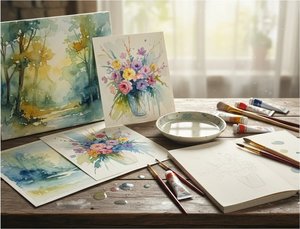
- Technique: Arcimboldo employed watercolor as his primary medium, layering translucent washes of pigment to achieve remarkable depth and luminosity. This technique allowed him to capture subtle variations in color and texture—essential for conveying the organic qualities of his subjects.
- Historical Context: Arcimboldo’s work flourished during a period of intellectual upheaval—the Renaissance—characterized by renewed interest in classical art and philosophy, and by groundbreaking discoveries in science and anatomy. His portraits stand as emblems of this era's humanist ideals.
The Austrian Nationalbibliothek holds a remarkable collection of Arcimboldo’s paintings, offering visitors an unparalleled opportunity to experience the transformative power of his visionary artistry.
常见问题与解答
朱塞佩·阿尔钦博尔多 (Zhū Sèipèi Ā'Ěrqīnbó'Ěrduō) 的《Nature studies (14)》 的技法与风格具有哪些特征?
在“Nature studies (14)”中,Acrylic On Canvas技法与Renaissance运动交相辉映。
建议为 朱塞佩·阿尔钦博尔多 (Zhū Sèipèi Ā'Ěrqīnbó'Ěrduō) 的《Nature studies (14)》 选择哪种复刻尺寸?
朱塞佩·阿尔钦博尔多 (Zhū Sèipèi Ā'Ěrqīnbó'Ěrduō) 的《Nature studies (14)》 的建议打印尺寸为 Large。
朱塞佩·阿尔钦博尔多 (Zhū Sèipèi Ā'Ěrqīnbó'Ěrduō) 的《Nature studies (14)》 是一件广为人知的艺术品吗?
“Nature studies (14)”的受欢迎程度被归类为Iconic。
 实景预览
实景预览
 分享
分享 分享
分享
 详情
详情 指南
指南

 下载作品
下载作品
 相似作品
相似作品 X射线
X射线 幻灯片播放
幻灯片播放 问答
问答 统计数据
统计数据