

 实景预览
实景预览
 发送
发送 分享
分享
 详情
详情 指南
指南

 下载图片
下载图片
 相似作品
相似作品 X射线
X射线 幻灯片播放
幻灯片播放 统计数据
统计数据Façade and courtyard view


 阅读全文
阅读全文
艺术微喷/版画
博物馆级艺术微喷或帆布版画,制作高效,并提供多种饰面选择。 ( 订购此收藏品的纯手工复刻画作 切换至数字图像销售渠道)




P118B ¥10

P118H ¥10

P118W ¥10

P438Z ¥10

P508JH ¥12

P508YH ¥12

P805H ¥10

P805Z ¥10

P919BZ ¥10

P919G ¥10

P919XJ ¥10

P959ZH ¥10

P968JZ ¥12

W106C ¥8

W218G ¥10

W218JH ¥8

W218Y ¥10

W307PJ ¥10

W316G ¥10

W316PJ ¥8

W316Y ¥10

W398PJ ¥8

W4111J ¥10

W500HY ¥15

W500JH ¥15

W692G ¥12

W849H ¥8

W940BG ¥15

W953PJ ¥8




您可以从与原作比例一致的预设尺寸中进行选择。

您可以输入自定义尺寸,以适配特定的画框或空间。如果您选择的尺寸与原图比例不符,我们将对作品进行裁剪,或通过镜像填充/纯色填充边缘的方式来扩展图像。在开始制作之前,我们会向您发送一份数字效果图供您确认。
请注意,屏幕上的预览并不能反映实际的裁剪或扩展效果。只有效果图才能准确展示最终的构图。
虽然我们提供定制尺寸,但为了保持原图比例,我们建议您从预设列表中选择尺寸。


 玻璃选项仅适用于110厘米以下的尺寸。

Façade and courtyard view
艺术微喷/版画
复刻品尺寸说明
-


总计金额
¥ 537
A Frozen Moment of Renaissance Grandeur: Exploring Giulio Romano’s “Façade and Courtyard View”
Giulio Romano's "Façade and Courtyard View," painted in 1526, isn’t merely a depiction of architecture; it’s a meticulously crafted illusion, a testament to the burgeoning Mannerist style that challenged the established harmony of the High Renaissance. This remarkable work, now available as a stunning reproduction, offers a captivating glimpse into the world of Federico II Gonzaga and his court in Mantua – a realm where art, architecture, and theatrical spectacle converged with breathtaking ambition. The image itself presents a carefully constructed dialogue between two perspectives: a monochrome, almost ghostly view of an older building alongside a vibrant, color-infused representation of its restored state. This juxtaposition immediately invites contemplation on the passage of time, the nature of preservation, and the enduring power of artistic vision.
The original painting, housed in the Palazzo Te, Mantua, was conceived as part of a larger decorative program for the villa’s expansive grounds. Romano, having been summoned to Mantua by Federico Gonzaga after his time with Raphael in Rome, quickly established himself as the court's principal artist and architect. The palazzo itself—a sprawling complex of interconnected buildings, gardens, and fountains—became a showcase for Romano’s innovative style, blending classical influences with a distinctly Mannerist sensibility. “Façade and Courtyard View” captures this spirit perfectly, demonstrating Romano’s mastery of illusionistic painting and his willingness to push the boundaries of artistic convention.
Mannerism: A Dance of Distortion and Drama
To understand "Façade and Courtyard View," one must grasp the essence of Mannerism. Emerging in the wake of Raphael’s death, it rejected the balanced proportions and serene idealism of the High Renaissance in favor of a more subjective, emotionally charged approach. Mannerist artists sought to create works that were unsettling, ambiguous, and often deliberately distorted – a deliberate departure from the classical ideals of beauty and harmony. Romano embraced this aesthetic with gusto, employing techniques such as elongated figures, exaggerated poses, vibrant colors, and complex spatial arrangements. The painting’s monochrome top image immediately establishes this sense of unease, hinting at decay and neglect, while the color rendition offers a stark contrast – a carefully staged restoration that attempts to recapture a lost grandeur.
Notice how Romano utilizes *trompe-l'oeil* techniques—the art of creating an illusion of three-dimensionality on a two-dimensional surface. The rusticated masonry, with its rough, uneven texture, contrasts sharply with the smooth, polished surfaces of the pilasters and windows. This deliberate juxtaposition creates a dynamic visual tension, drawing the viewer’s eye to specific details and inviting them to question what is real and what is merely an illusion. The subtle shifts in perspective between the two images further enhance this effect, suggesting that we are witnessing not just a building but also a carefully constructed narrative.
Symbolism and the Gonzaga Court
The Palazzo Te itself was designed as a lavish pleasure palace for Federico II Gonzaga, reflecting his wealth, power, and refined taste. The “Façade and Courtyard View” is therefore deeply intertwined with the symbolism of the Gonzaga court. The building’s elaborate decoration—including frescoes depicting mythological scenes, allegorical figures, and portraits of Federico’s ancestors—served to reinforce his authority and celebrate his lineage. The choice of a monochrome image for the older façade suggests a sense of loss and decline, while the color rendition of the restored building symbolizes the Gonzaga family's continued patronage of the arts and their commitment to preserving the legacy of Mantua.
The inclusion of both images—the weathered facade and its vibrant restoration—is particularly significant. It speaks to the cyclical nature of time, the impermanence of beauty, and the enduring human desire to recapture the past. It’s a poignant reminder that art, like memory, can be both cherished and reconstructed.
Bringing Romano's Vision Home
A high-quality reproduction of “Façade and Courtyard View” offers a unique opportunity to bring this extraordinary work into your own space. Whether adorning a formal dining room or a study, this image will serve as a constant source of inspiration—a reminder of the power of artistic vision, the beauty of Mannerist style, and the enduring legacy of Giulio Romano. It’s more than just a painting; it's a portal to a bygone era, a testament to the artistry and ambition of the Gonzaga court.
问答详情
《Façade and courtyard view》这一Mannerist Painting风格的作品传达了怎样的情感基调?
"Façade and courtyard view" 所蕴含的 Mysterious 情感,与其 Mannerist Painting 风格相得益彰。
朱利奥·罗马诺 的《Façade and courtyard view》 是在何时创作的?
"Façade and courtyard view"创作于1526年。这一日期将该作品置于朱利奥·罗马诺的艺术生涯及其所处时代之中。
朱利奥·罗马诺 在创作《Façade and courtyard view》时多大年纪?
朱利奥·罗马诺 在 27 岁时创作了《Façade and courtyard view》。艺术家出生于 1499,该作品创作于 1526 年。
我该如何获取朱利奥·罗马诺 的《Façade and courtyard view》的数字文件?
如需获取 朱利奥·罗马诺 的《Façade and courtyard view》 的数字文件,请在 本页 上订购 高分辨率数字图像下载。
"Façade and courtyard view" 会为空间带来怎样的氛围?
凭借其Dramatic的意境,建议将“Façade and courtyard view”装饰于Living Room。
“Façade and courtyard view”被归于哪位艺术家名下?
"Façade and courtyard view" 由 朱利奥·罗马诺 创作。本页面的信息旨在介绍 朱利奥·罗马诺 的原作。
“Façade and courtyard view”传达了怎样的情感?
朱利奥·罗马诺 的《Façade and courtyard view》 传达出一种 Mysterious 的情感基调。
朱利奥·罗马诺 的《Façade and courtyard view》 使用的是强烈的对比,还是柔和的和谐?
朱利奥·罗马诺 的《Façade and courtyard view》 的色彩分析记录了一种 Statement 的对比与 Balanced Harmony 的和谐。
艺术家简介
罗马的开端与师从大师
朱利奥·罗曼诺,原名朱利奥·皮皮,大约于1499年出生在罗马。他正值一个艺术激荡的时代。关于他早年的细节鲜为人知,但可以确定的是,他很快进入了拉斐尔的视野,拉斐尔是文艺复兴时期最杰出的画家之一。这次学徒生涯至关重要,不仅塑造了他的技术技能,也为他未来的风格探索奠定了基础。朱利奥不仅仅是一位工作室助手;他迅速成为一位不可或缺的合作者,参与了像梵蒂冈斯坦齐的装饰等重大项目——这些宏伟的房间由教皇尤利乌斯二世和列奥十世委托建造。他的笔迹可以识别在纪念性的壁画《博尔戈之火》中,他协助拉斐尔描绘了一个奇迹干预的戏剧性场景。在拉斐尔于1520年英年早逝后,朱利奥继承了完成许多未完成委托的责任,包括为枢机朱利亚诺·德·美第奇装饰宏伟的马达玛别墅。这种早期接触大型项目和贵族赞助的需求在他身上灌输了一种自信和雄心壮志,这将定义他后来的职业生涯。风格主义的诞生:从古典和谐的背离
虽然深深扎根于文艺复兴传统,但朱利奥·罗曼诺的艺术轨迹很快与当时盛行的古典平衡与和谐的强调背道而驰。他成为风格主义发展中的关键人物——这种风格以其人工性、优雅以及常常令人不安的形式扭曲为特征。受到米开朗基罗强有力的人物和动态构图的深刻影响,以及更广泛的艺术实验氛围的影响,朱利奥开始在他的作品中拥抱不对称、紧张感和情感强度。这并非对文艺复兴理想的拒绝,而是一种有意识地探索它们的极限,超越自然主义的约束,创造出更具表现力和智力刺激的作品。他越来越多地修改拉斐尔的计划,将新的敏感性注入罗马艺术——这是大规模风格主义的宣言。这种转变在他的绘画中显而易见,这些绘画展现了非凡的线条自由和对戏剧性透视的偏爱。曼图亚的大师:特宫与建筑创新
1524年,朱利奥接受了曼图亚公爵费德里科·冈扎加的邀请,成为宫廷画家和建筑师。这标志着他职业生涯的一个转折点,为他提供了前所未有的创作自由和资源。他基本上负责公国的所有艺术活动,监督绘画和壁画以及建筑项目、花园设计甚至戏剧制作。他在此期间最著名的成就是无疑是特宫,这是一座非凡的郊区别墅,证明了他的创新才华。这座宫殿的内部装饰着令人叹为观止的复杂性和心理深度的幻觉壁画。《巨人厅》(Sala dei Giganti)例如,描绘了神与巨人之间混乱的战斗,将观众淹没在旋转的人物和建筑碎片漩涡中。这种对空间和透视的大师级操纵创造了一种既令人敬畏又不安的沉浸式体验。除了特宫之外,朱利奥还对曼图亚公爵宫殿和大教堂进行了重大的翻新,给这座城市的城市景观留下了不可磨灭的印记。遗产与持久影响
朱利奥·罗曼诺于1546年去世于曼图亚,留下了一份超越意大利边境的遗产。他的绘画受到收藏家的高度重视,并且基于他作品的版画——特别是安东尼奥·雷蒙迪的作品——在传播意大利艺术风格到欧洲起到了至关重要的作用。他死后非常出名,以至于他是威廉·莎士比亚戏剧中唯一一位被提及的“现代”艺术家——证明了他广泛的名声。他的影响可以在众多后续艺术家的作品中看到,他们采用了他动态的构图、细长的身影和富有表现力的色彩运用。虽然风格主义最终让位于其他风格运动,但朱利奥·罗曼诺的贡献仍然是理解西方艺术演变所必需的。他代表了一个关键时刻——从文艺复兴时期和谐的理想过渡到16世纪后期更复杂和情感化的美学。他的作品继续吸引和挑战今天的观众,提醒我们艺术既能反映又能塑造我们对世界的理解。
朱利奥·罗马诺
1499 - 1546 , 意大利
快速概览
- Artistic Movement Or Style: 风格主义
- Artists Or Movements Influenced By This Artist: ['风格主义艺术家']
- Artists Who Influenced This Artist:
- 拉斐尔
- 米开朗基罗
- Date Of Birth: 约1499年
- Date Of Death: 1546年11月1日
- Full Name: 朱利奥·罗马诺
- Nationality: 意大利人
- Notable Artworks (List Of Titles):
- 博尔戈之火
- 特宫
- 马达玛别墅
- Place Of Birth (City And Country): 意大利罗马
相关文章
情感共鸣:定制室内壁画的力量与艺术史维度 (Qínggǎn gòngmíng: Dìngzhì nèishì bìhuà de lìliàng yǔ yìshǐ wéidù)
探索定制室内壁画的力量,从文艺复兴艺术史到现代空间设计。OriginalUniqueArt提供专业艺术家手绘、个性化定制服务,打造独一无二的艺术品,提升家居品味与文化价值。

The Enduring Legacy of Fresco Painting: Techniques, History & Contemporary Relevance
Explore the rich history & enduring artistry of fresco painting – from Giotto to Michelangelo! Discover techniques, conservation efforts, & modern applications. Learn how OriginalUniqueArt brings this timeless art form to your home.

The Enduring Legacy of Fresco: Technique, History & Artistic Expression Across Cultures
Explore the rich history & enduring legacy of fresco painting! Discover ancient techniques, Giotto's masterpieces, and modern applications. Expert insights for art lovers & professionals.

The Fresco as Family Legacy: Preserving Heritage Through Wall Art
Explore the rich history & enduring legacy of fresco painting. Discover how to preserve family heritage through stunning wall art. Expert insights & restoration guidance.
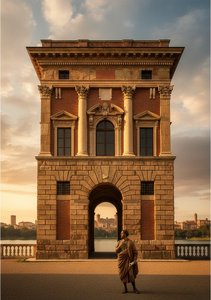
Giulio Romano: A Master of Mannerism & the Palazzo Te Legacy
Explore the revolutionary art of Giulio Romano, master of Mannerism & architect of Palazzo Te. Discover his influence, investment potential, and stunning frescoes – a guide for discerning collectors.
