
 效果预览
效果预览
 购买印刷品
购买印刷品 分享
分享 分享
分享
 详情
详情

 下载
下载
 相似作品
相似作品 X射线
X射线 幻灯片播放
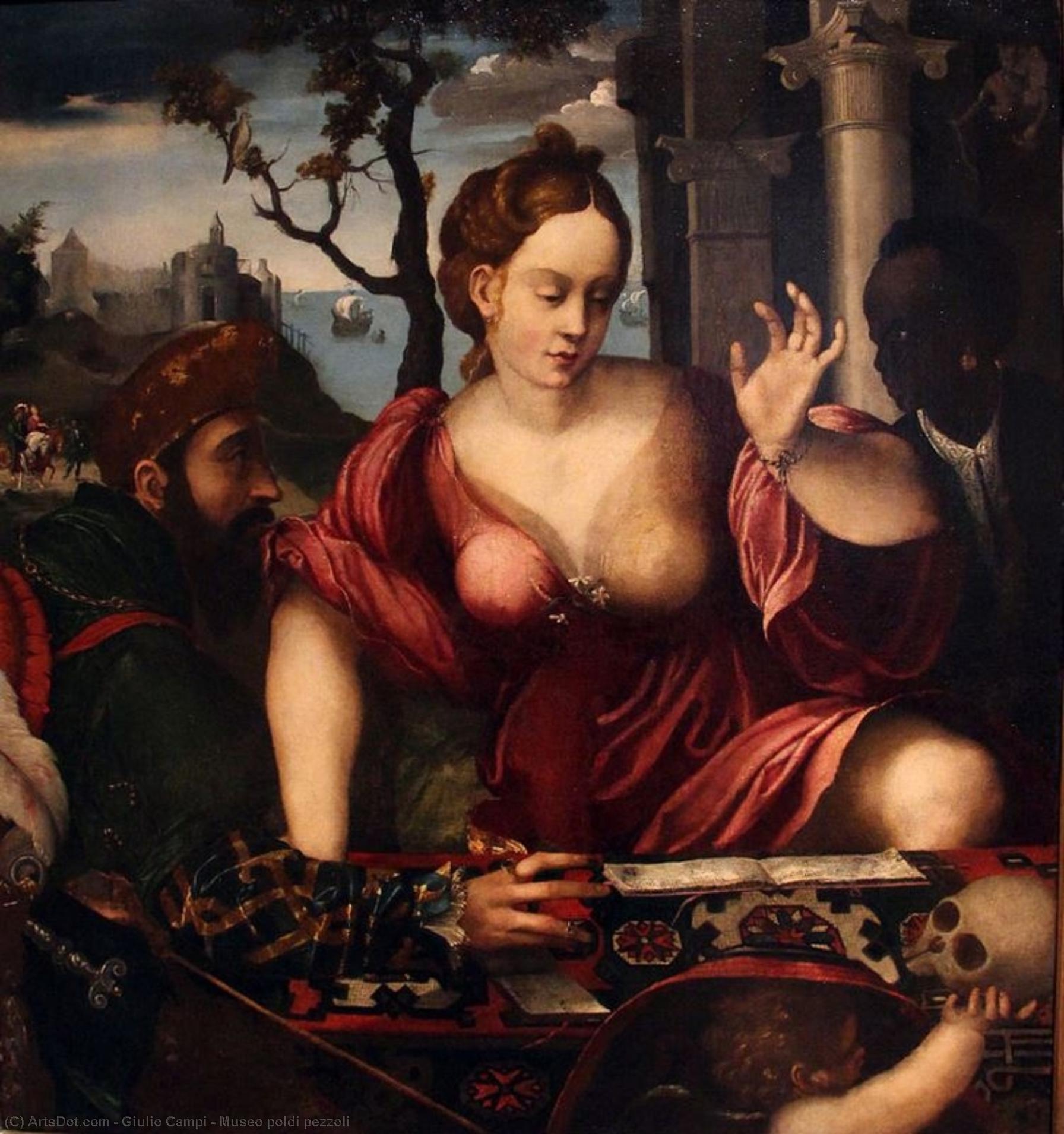
幻灯片播放Museo poldi pezzoli
 展开详情
展开详情




































从与原作比例一致的预设尺寸中进行选择。

您可以输入自定义尺寸,以适配特定的画框或空间。如果所选尺寸与原图比例不符,我们将通过裁剪作品或添加手绘元素来扩展画面。数字样稿将在制作开始前发送给您确认。
请注意,屏幕预览无法准确反映实际的裁剪或扩展效果,只有样稿才能真实呈现最终的构图。
虽然我们提供定制尺寸服务,但为了保留原作比例,建议您从预设列表中选择尺寸。
下单后,OriginalUniqueArt.com 团队将通过电子邮件联系客户获取具体要求,并提供效果预览图。


 玻璃选项仅适用于110厘米以下的尺寸。

Museo poldi pezzoli
复制材质
复制品尺寸
-


最终总价
$ 300
艺术家简介
Giulio Campi: Life and Legacy
Early Life and Training
- Born: Cremona, Italy in 1502.
- Family of Artists: Giulio Campi came from a prominent family of painters; his father, Galeazzo (1475–1536), provided him with initial artistic training.
- Early Studies: In 1522, he traveled to Mantua and studied painting, architecture, and modelling under the tutelage of Giulio Romano.
- His education continued with a visit to Rome where he became deeply engaged in studying classical antiquity.
Artistic Development and Influences
- Blending Traditions: Campi skillfully combined Lombard and Roman artistic traditions, influenced by his studies with Romano and his exploration of ancient art.
- Collaboration: He collaborated with Camillo Boccaccino, son of Boccaccio Boccaccino, potentially receiving further training from him.
- Key Influences: Giulio Romano’s influence is evident in Campi's dynamic compositions and architectural elements. His study of classical art instilled a sense of grandeur and anatomical accuracy.
Major Works and Style
- Masterpiece: At the age of 27, Campi completed his masterpiece, “Virgin and Child with Sts Celsus and Nazarus”, for the church of Sant'Abondio. It is celebrated for its freedom of drawing and vibrant color.
- Notable Works: Other significant works include the “Descent from the Cross” in San Sigismondo, Cremona, and frescoes within the dome of San Girolamo in Mantua.
- Artistic Characteristics: Campi’s paintings are characterized by grand conceptions, free drawing, vigorous coloring, a lofty style, and broad handling. A deep piety is evident throughout his work.
- He was involved in the reconstruction and decoration of the church of Santa Rita in Cremona.
Historical Significance and Legacy
- “Ludovico Carracci of Cremona”: Campi is often referred to by this title due to his significant influence on the artistic landscape of Cremona, mirroring Ludovico Carracci’s impact on Bologna.
- Regional Importance: He played a crucial role in shaping Renaissance art within the Cremonese school.
- Engravings by Ghiso: His altar-piece in San Sigismondo and his “Labours of Hercules” were engraved by Giorgio Ghisi, further disseminating his work.
- Lasting Impact: Campi’s influence extended beyond his lifetime, inspiring subsequent generations of artists in the region.
Death and Remembrance
- Died: Cremona, Italy in 1572.
- Giulio Campi remains a significant figure in Italian Renaissance art, celebrated for his artistic skill, religious devotion, and lasting influence on the Cremonese school of painting.

Giulio Campi
1502 - 1572 , Italy
艺术家简介
- Birth Date: 1502
- Birth Place: Cremona, Italy
- Death Date: 1572
- Influenced: Ludovico Carracci (in Cremona)
- Influenced By: Giulio Romano
- Movement: Renaissance, Mannerism
- Name: Giulio Campi
- Nationality: Italian
- Notable Works:
- Virgin and Child with Sts Celsus and Nazarus
- Descent from the Cross (San Sigismondo)
- Frescoes in San Girolamo (Mantua)

