
 效果预览
效果预览
 购买手绘画作
 分享
分享 分享
分享
 详情
详情

 下载
下载
 相似作品
相似作品 X射线
X射线 幻灯片播放
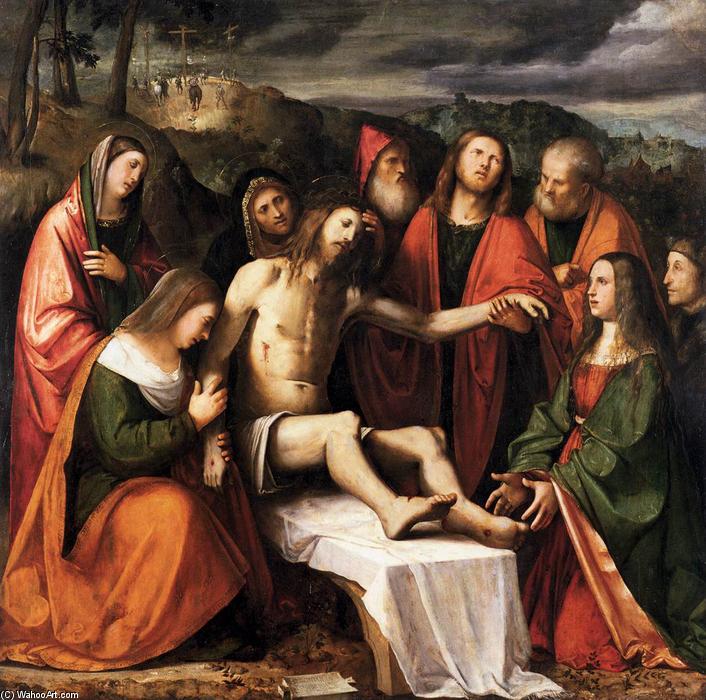
幻灯片播放Pietà
 Acrylic On Canvas
- WallArt
- Renaissance Neoclassical Grace
 1510
1510 183.0 x 185.0 cm
 Gallerie dell'Accademia
 展开详情
展开详情




P118B $10

P118H $10

P118W $10

P438Z $10

P508JH $12

P508YH $12

P805H $10

P805Z $10

P919BZ $10

P919G $10

P919XJ $10

P959ZH $10

P968JZ $12

W106C $8

W218G $10

W218JH $8

W218Y $10

W307PJ $10

W316G $10

W316PJ $8

W316Y $10

W398PJ $8

W4111J $10

W500HY $15

W500JH $15

W692G $12

W849H $8

W940BG $15

W953PJ $8




从与原作比例一致的预设尺寸中进行选择。

您可以输入自定义尺寸,以适配特定的画框或空间。如果您选择的尺寸与原图比例不符,我们将对作品进行裁剪,或通过镜像填充/纯色填充边缘的方式来扩展图像。在开始制作之前,我们会向您发送一份数字效果图供您确认。
请注意,屏幕上的预览并不能反映实际的裁剪或扩展效果。只有效果图才能准确展示最终的构图。
虽然我们提供定制尺寸,但为了保持原图比例,我们建议您从预设列表中选择尺寸。


 玻璃选项仅适用于110厘米以下的尺寸。

Pietà
艺术微喷/版画
复制品尺寸
-


最终总价
$ 80
藏品详情
Girolamo Romanino’s Pieta: A Masterpiece of Venetian Stucco
Giovanni da Udine, born in Udine in 1487 and passing away in Rome in 1561 or 1564, stands as a pivotal figure in the artistic landscape of the High Renaissance. More than simply a painter, he was a master craftsman who profoundly influenced the revival of classical techniques, particularly in the realm of stucco decoration and architectural ornamentation. His legacy is inextricably linked to the burgeoning interest in antiquity that swept across Europe during this period, fueled by archaeological discoveries and a renewed desire to emulate the grandeur of ancient Rome. Udine’s early life remains somewhat shrouded in mystery, though he was undoubtedly trained within the artistic circles of his native city. He began his career as an assistant to Andrea Sabbatini, a prominent Neapolitan painter, gaining invaluable experience in the techniques of fresco and tempera. This formative period laid the groundwork for his later success in sculpting monumental stucco reliefs that would adorn churches and palaces throughout Venice and Lombardy.- Subject Matter: The Pieta depicts Jesus Christ cradling the lifeless body of Mary Magdalene, a poignant representation of grief and compassion—a theme deeply rooted in Christian iconography.
- Style: Romanino’s style embodies Venetian Neoclassicism, characterized by meticulous attention to detail and an idealized depiction of human form inspired by sculptural models from antiquity. He skillfully blended Renaissance ideals with classical influences, resulting in a harmonious blend of elegance and solemnity.
- Technique: Romanino achieved remarkable textural effects through the innovative use of stucco—a technique he perfected during his time in Venice. The sculptor painstakingly modeled the figures using plaster mixed with pigments, creating surfaces that appear remarkably lifelike despite their material composition. This meticulous craftsmanship ensured a stunning visual impact and captured the essence of classical sculpture.
Historical Context: Rediscovering Antiquity’s Beauty
The Pieta emerged during a period of intense intellectual curiosity and artistic revival—the Renaissance. The rediscovery of Greek and Roman texts and sculptures sparked a fervent desire to recapture the aesthetic grandeur of antiquity, influencing artists across Europe. Romanino's work reflects this trend, demonstrating an unwavering commitment to recreating classical forms and proportions in his monumental stucco creations. This fascination with ancient ideals served as a catalyst for artistic innovation and propelled Venetian sculpture into its golden age.Symbolism: Grief, Compassion, and Divine Grace
Beyond its formal beauty, the Pieta is laden with symbolic significance. Mary Magdalene’s sorrowful gaze embodies universal grief—a testament to human vulnerability in the face of mortality. Simultaneously, Jesus's serene posture conveys divine compassion and unwavering faith—representing God’s mercy and acceptance of suffering. The composition itself adheres to established artistic conventions that emphasize balance and harmony, reflecting the spiritual ideals prevalent during the Renaissance.Emotional Impact: A Moment of Profound Reflection
Romanino's Pieta transcends mere visual representation; it evokes a powerful emotional response in viewers. The sculpture’s serene stillness juxtaposed with Mary Magdalene’s palpable grief creates an atmosphere of contemplative solemnity—encouraging introspection and prompting reflection on themes of loss, faith, and redemption. It remains a timeless masterpiece that continues to inspire awe and admiration centuries after its creation.Additional Information:
The painting is exhibited in Accademia di Venezia. Size: 183 x 185 cm. Date: 1510. Artist: girolamo romanino. Birth Year: 1487. Death Year: 1566. Birth City: Brescia. Birth Country: Italy.艺术家简介
乌迪内之乔凡尼:灰泥装饰与新古典主义优雅的先驱
乔凡尼·达·乌迪内(Giovanni da Udine)于1487年出生于乌迪内,并于1561或1564年逝世于罗马,他是盛期文艺复兴艺术版图中举足轻重的人物。他不仅仅是一位画家,更是一位卓越的匠师,深刻地影响了古典技艺的复兴,尤其是在灰泥装饰与建筑纹饰领域。他的艺术遗产与当时席卷欧洲的古物热潮密不可分——在考古发现的推动下,人们渴望重新追寻并模仿古罗马时期的宏伟壮丽。
尽管乔凡尼早年的生活仍笼罩在些许神秘色彩之中,但可以肯定的是,他在故乡的艺术圈内接受了系统的训练。他的职业生涯始于担任那不勒斯著名画家安德烈亚·萨巴蒂尼(Andrea Sabbatini)的助手,这段经历让他积累了关于湿壁画与蛋彩画技法的宝贵经验。这段磨炼期的积累为他日后的辉煌奠定了基础,特别是当他在1508年左右进入罗马并投身于拉斐尔麾下时。正是在这段时期,乔凡尼独特的艺术风格开始崭露头角——那是一种在自然主义与程式化优雅之间达成的微妙平衡,其背后蕴含着对古典比例的深刻理解,以及对光影掌控的精湛技艺。
梵蒂冈长廊:创新的华丽展示
乔凡尼最持久的艺术贡献在于他对梵蒂冈长廊(Vatican Loggie)的创作。在1517年至1519年间,他用错综复杂的灰泥面板装饰了一系列拱顶空间。这些宏伟的装饰代表了欧洲艺术史上的一个分水岭。他率先引领了古典技艺的复兴,特别是创造了怪诞纹样(grotesques)——这种受罗马遗迹与马赛克启发的复杂且充满奇幻色彩的设计,并非仅仅是随意的装饰点缀,而是经过严谨研究后的模仿,展现了他对准确性的执着追求以及对往昔文明的深切敬畏。
长廊的面板以其轻盈、优雅以及近乎空灵的特质著称。乔凡尼运用了细腻的色调——主要是奶油色、赭石色与淡蓝色——来营造出一种深度感与氛围感。他笔下的人物虽然经过了艺术化的处理,却拥有惊人的自然主义程度,能够以精细入微的细节传达情感与律动。这一作品的影响力迅速传遍欧洲,塑造了新古典主义设计师的美学感知,并影响了此后数代艺术家。
回归故里与持续的影响力
在罗马度过了一段重要的时光后,乔凡尼于1522年回到了家乡乌迪内,并在那里度过了职业生涯的大部分时间。然而,他的足迹并未就此止步,他继续广泛旅行,在佛罗伦萨与威尼斯承接委托,进一步巩固了他作为一名多才多艺且备受追捧的艺术家的声望。尽管远行在外,乔凡尼始终与他的故乡保持着深厚的纽带,为弗留利地区的艺术发展做出了卓越贡献。
乔凡尼的作品展现出一种非凡的适应力,将古典影响与地域传统天衣无缝地融合在一起。他并非仅仅是在复制古代形式,而是在通过自己独特的视角进行诠释,赋予了这些形式一种鲜明的意大利感性。他的遗产超越了个体作品本身,涵盖了更广泛的古典美学复兴,并将灰泥装饰确立为文艺复兴建筑中不可或缺的核心元素。
历史意义与永恒的艺术遗产
乔凡尼·达·乌迪内对欧洲艺术的影响是无可辩驳的。他在塑造新古典主义时期的视觉语言方面发挥了关键作用,为后世的艺术家与建筑师提供了坚实的基础。他对细节的严谨追求、对技艺的精湛掌握以及对古典文明的深刻洞察,确保了他作为文艺复兴艺术史上最重要人物之一的地位。他在梵蒂冈长廊上的杰作至今仍是其天才的明证——那是技巧、创新与对往昔荣光深切崇敬的震撼展示。时至今日,在欧洲无数的建筑与装饰艺术中,我们依然能窥见他的影响力,这正是那位赋予古典精神重获新生之艺术家的永恒印记。

乔拉莫·罗曼尼诺
1487 - 1566 , 意大利
艺术家简介
- Artistic Movement Or Style: 新古典主义,灰泥装饰
- Artists Or Movements Influenced By This Artist: ['欧洲新古典主义设计师']
- Artists Who Influenced This Artist: ['拉斐尔']
- Date Of Birth: 1487年10月27日
- Date Of Death: 1561/64年
- Full Name: 乔瓦尼·达·乌迪内
- Nationality: 意大利
- Notable Artworks: ['梵蒂冈日志画廊']
- Place Of Birth: 意大利,乌迪内
相关文章

Bronze Sculptures That Defined Art History | OriginalUniqueArt
Journey through art history with our Top 10 bronze sculptures! Explore masterpieces by Rodin, Michelangelo & more. Discover stories behind iconic statues and find museum-quality reproductions for your home decor at OriginalUniqueArt.com.

The Enduring Form: Exploring Themes & Techniques in Sculpture Across Historical Periods
Explore the rich history of sculpture from ancient masterpieces to contemporary innovations. Discover key techniques, influential artists & investment potential for discerning art collectors.

Bronze Age to Modern Masters: 10 Sculptures That Redefined Art | OriginalUniqueArt
Journey through art history with 10 legendary bronze sculptures – from Michelangelo's David to Rodin’s Thinker. Explore the stories, techniques & timeless beauty of these masterpieces. Find museum-quality reproductions & elevate your home decor on OriginalUniqueArt.com.
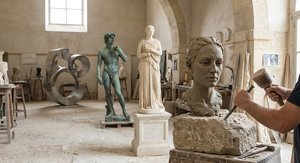
The Enduring Form: Sculpture Across History, Technique & Emotional Resonance
Explore the rich history of sculpture with OriginalUniqueArt. Discover key techniques, influential artists & investment potential for discerning collectors. Expert insights into valuing and collecting timeless masterpieces.
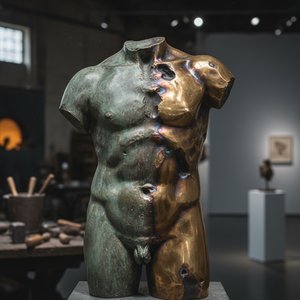
青铜雕塑艺术史:跨越千年的力量与美感,探究古代铸造工艺与现代创作的永恒魅力
探索青铜雕塑的千年魅力,本文由资深艺术史学者撰写,深入解析古代铸造技术与现代收藏价值。为高端藏家提供专业鉴定、保养指南和投资建议,让您在信任与品质中发现珍贵艺术品。

