
 实景预览
实景预览
 分享
分享 分享
分享
 详情
详情 指南
指南

 下载作品
下载作品
 相似作品
相似作品 X射线
X射线 幻灯片播放
幻灯片播放 问答
问答 统计数据
统计数据Landscape with Magicians


 展开全文
展开全文
艺术微喷/版画
博物馆级艺术微喷或帆布版画,制作高效,并提供多种饰面选择。 ( 订购纯手工绘制画作 切换至数字图像销售渠道)




P118B ¥10

P118H ¥10

P118W ¥10

P438Z ¥10

P508JH ¥12

P508YH ¥12

P805H ¥10

P805Z ¥10

P919BZ ¥10

P919G ¥10

P919XJ ¥10

P959ZH ¥10

P968JZ ¥12

W106C ¥8

W218G ¥10

W218JH ¥8

W218Y ¥10

W307PJ ¥10

W316G ¥10

W316PJ ¥8

W316Y ¥10

W398PJ ¥8

W4111J ¥10

W500HY ¥15

W500JH ¥15

W692G ¥12

W849H ¥8

W940BG ¥15

W953PJ ¥8




您可以从与原作比例一致的预设尺寸中进行选择。

请输入您所需的宽度和高度,以适配您的画框或墙面。由于印刷品只能进行裁剪,无法超出原图尺寸,因此若比例不一致,画面的一部分将会被裁切。在正式印刷之前,我们会为您发送一份数字效果图供您确认。本页面显示的图片并非最终裁剪后的效果——只有效果图才能展示真实的裁剪情况。


 玻璃选项仅适用于110厘米以下的尺寸。

Landscape with Magicians
艺术微喷/版画
复刻品尺寸
-


最终结算价
¥ 544
A Renaissance Dreamscape: The Enigma of Girolamo da Carpi
In the quiet corridors of the Galleria Borghese, there exists a window into a world where the boundaries between reality and illusion dissolve. Girolamo da Carpi’s Landscape with Magicians, painted around 1525, is not merely a depiction of nature, but an invitation to a realm of profound mystery. As one gazes upon this masterpiece, the eye is immediately drawn into a meticulously crafted landscape that feels both intimately familiar and hauntingly otherworldly. The scene unfolds through a winding path that leads the viewer away from the rocky outcrops of the foreground toward distant, mist-shrouded mountains, creating a sense of infinite depth and quiet longing. It is a work that captures the very essence of the High Renaissance transitioning into the expressive tension of Mannerism.
The atmosphere of the painting is defined by its subtle, evocative lighting. Da Carpi employs a masterful technique of layering translucent oil glazes to achieve a luminous, ethereal quality, particularly in the way light interacts with the water and the heavy, dramatic clouds above. This creates a twilight ambiance, where shadows stretch across the terrain, imlecating a sense of transition—perhaps between day and night, or between the known world and the realm of the supernatural. For the collector or interior designer, this piece offers a sophisticated emotional depth; it provides a focal point that is both tranquil and intellectually stimulating, perfect for spaces designed for contemplation and quiet elegance.
The Artistry of Mannerist Tension
To understand the soul of this work, one must look to the stylistic currents flowing through Ferrara and Bologna during the early 16th century. Da Carpi, having trained under the influential Benvenuto Tisi, was deeply immersed in a tradition that began to move away from the harmonious perfection of Raphael toward the more complex, psychologically charged language of Mannerism. In Landscape with Magictans, we see this evolution through an unsettlingly beautiful perspective. The composition avoids easy balance, instead utilizing subtle distortions and a dramatic, almost theatrical arrangement of elements—such as the imposing figures on horseback and the distant, watchful architecture—to create a palpable sense of tension.
The artist’s technical prowess is evident in the fine detail work that rewards prolonged observation. From the rugged texture of the stone to the intricate folds of the riders' elaborate attire, every brushstroke serves the larger narrative of discovery. The color palette, dominated by rich earth tones and muted greens, provides a somber foundation that allows the sudden glints of light on the water or the distant sky to pop with unexpected brilliance. This interplay of shadow and light does more than just create three-dimensionality; it mirrors the intellectual ferment of the era, where artists were grappling with the complexities of human perception and the unseen forces of the universe.
Symbolism and the Allure of the Unknown
The presence of the "magicians" suggested by the title adds a layer of profound symbolic resonance to the landscape. While these figures may remain elusive or hidden within the folds of the scenery, their conceptual presence permeates the entire composition. In the Renaissance mind, magic was often a metaphor for the power of art itself—the ability to create illusions that feel real and to manipulate light and shadow to evoke emotion. The painting thus becomes a meditation on deception, intellect, and the unseen. The figures in armor, moving through this landscape, suggest a narrative of journey and encounter, perhaps representing the human soul navigating the unpredictable terrain of existence.
For those seeking to bring a piece of history into a contemporary setting, a high-quality reproduction of this work offers much more than decoration. It serves as a conversation piece that bridges centuries, bringing the intellectual rigor of the Italian Renaissance into the modern home. Whether placed in a grand library or a serene study, Landscape with Magicians commands attention through its ability to evoke wonder, inviting anyone who stands before it to lose themselves in its beautiful, enigmatic depths.
常见问题与解答
“Landscape with Magicians”代表了Girolamo da Carpi艺术生涯的哪个阶段?
“Landscape with Magicians”创作于Girolamo da Carpi艺术生涯的Mature Period时期。这一时期标志着该作品与艺术家艺术风格演进的紧密关联。
"Landscape with Magicians" 的创作年份 1525 对应于 Girolamo da Carpi 艺术生涯中的哪个阶段?
"Landscape with Magicians"创作于1525年,属于Girolamo da Carpi艺术生涯中的Mature Period时期。
在Renaissance Mannerism运动中,Girolamo da Carpi 的《Landscape with Magicians》传达了怎样的情感?
在Renaissance Mannerism运动中,"Landscape with Magicians"以Mysterious的基调被记录下来。
艺术家简介
Girolamo da Carpi: Bridging Renaissance and Mannerism in Ferrara
Girolamo da Carpi (c. 1501 – 1556) stands as a pivotal figure within the burgeoning artistic landscape of Renaissance Italy, specifically celebrated for his contributions to the Este court in Ferrara. Born Ferrera, he embarked on an artistic journey marked by apprenticeship under Benvenuto Tisi (il Garofalo), establishing a foundational connection with the stylistic currents shaping Bolognese painting during that era. By his early twenties, Da Carpi had relocated to Bologna, where he solidified his reputation as a proponent of the local Renaissance school, absorbing influences from luminaries like Lorenzo Costa and Raphael – artists whose mastery profoundly impacted his artistic sensibilities.- Early Training & Influences: His formative years witnessed immersion in the studio of a Bolognese painter deeply rooted in Florentine Mannerism, mirroring the stylistic innovations championed by Giulio Romano. This exposure cultivated an aesthetic that deftly blended traditional Renaissance ideals with the expressive distortions and psychological depth characteristic of Mannerist art.
- Roman Pilgrimage & Artistic Exploration: A significant turning point arrived during his travels to Rome and Bologna in the mid-1520s, where Da Carpi encountered the vibrant energy of Mannerist experimentation. This journey served as a catalyst for artistic growth, propelling him toward stylistic explorations that transcended simple categorization.
- Ferrara & Court Patronage: Returning to Ferrara, he secured prestigious commissions from the Este family, collaborating closely with Dosso Dossi and Garofalo on monumental projects reflecting the grandeur of the ducal court. His involvement in these ambitious undertakings cemented his position as a leading artist within Ferrara’s artistic milieu.
Notable Works & Artistic Style
Da Carpi's oeuvre encompasses a diverse range of subjects, demonstrating versatility and stylistic adaptability. Among his most celebrated paintings are “The Descent of the Holy Spirit” in St Francis Church at Rovigo—a masterful depiction of religious iconography imbued with luminous color palettes and dynamic composition—and “St Catherine at Bologna,” showcasing meticulous detail and refined artistic technique. Furthermore, “St George & St Jerome” exemplifies Da Carpi’s commitment to portraying saints with dignity and solemnity. His stylistic hallmark resides in a harmonious blend of Renaissance clarity and Mannerist dynamism, characterized by subtle distortions of form and heightened emotional expression—a testament to his ability to synthesize disparate influences into a cohesive artistic vision.- "The Adoration of the Shepherds" – This Baroque masterpiece showcases Raphael-inspired style & religious symbolism.
- "Medici and Monsignor Mario Bracci" - A Renaissance portrait highlighting Medici power & religious status.
- "The Rape of Ganymede" - Demonstrates Da Carpi’s stylistic adaptability.
Legacy & Artistic Pupils
Girolamo da Carpi's influence extended beyond his own artistic output, shaping the careers of several talented pupils who carried forward his stylistic innovations. Bartolomeo Faccini and Ippolito Costa emerged as prominent artists under Da Carpi’s tutelage, perpetuating his distinctive aesthetic within Bologna’s artistic community. His enduring legacy resides in his contribution to the evolution of Renaissance painting—specifically bridging the gap between Florentine Mannerism and Bolognese tradition—leaving an indelible mark on the artistic heritage of Italy.
Girolamo da Carpi
1501 - 1556 , Italy
艺术家简介
- Full Name: Girolamo da Carpi
- Nationality: Italian
- Date Of Birth: 1501
- Date Of Death: 1556
- Place Of Birth: Ferrera, Italy
- Notable Artworks:
- The Adoration of the Shepherds
- Medici and Monsignor Mario Bracci
- Artistic Movement Or Style: Mannerist Painting
- Artists Who Influenced This Artist:
- Benvenuto Garofalo
- Lorenzo Costa
- Raphael
- Artists Or Movements Influenced By This Artist: ['Giulio Romano']
相关文章

达芬奇25幅杰作:艺术、科学与永恒的辉煌 | OriginalUniqueArt
探索达芬奇25幅杰作!深入了解文艺复兴大师列奥纳多·达·芬奇的艺术传奇,欣赏《蒙娜丽莎》、《最后的晚餐》等经典绘画。OriginalUniqueArt.com提供博物馆级复制品和家居装饰灵感。在线探索完整系列!

康斯塔布尔大师之作:25幅传世风景画赏析 | OriginalUniqueArt
探索康斯塔布尔的25幅传世杰作!沉浸于英国田园风光,感受浪漫主义绘画大师的光影与色彩。高清油画复制、艺术品购买尽在OriginalUniqueArt.com,为您的家居增添经典之美。立即在线探索完整系列!

浪漫主义画派的十部巨作:定义风景画的艺术传奇
探索浪漫主义风景画的巅峰!本文精选十部经典名作,带您领略莫奈、库尔贝等大师的艺术魅力。感受色彩与光影的诗意,重温自然风光的震撼。OriginalUniqueArt.com为您提供博物馆级别的艺术复制品和个性化家居装饰方案。尽在OriginalUniqueArt.com!

Evocations of Place: A Historical Journey Through Landscape Art
Explore the rich history of landscape art with OriginalUniqueArt. Discover renowned artists, movements like Impressionism & Romanticism, and expert guidance for collecting timeless pieces. Find your perfect serene escape today!
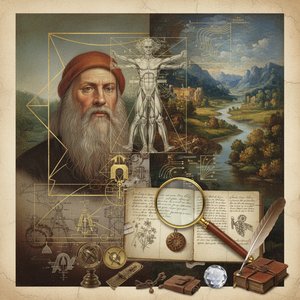
Leonardo da Vinci: A Renaissance Master’s Synthesis of Art, Science & Human Observation – Reinterpreted for the Collector
Explore Leonardo da Vinci’s timeless masterpieces with OriginalUniqueArt. Discover insights into his art, science, and legacy – trusted expertise for discerning collectors seeking authentic reproductions & investment opportunities.