
 实景预览
实景预览
 分享
分享 分享
分享
 详情
详情 指南
指南

 下载作品
下载作品
 相似作品
相似作品 X射线
X射线 幻灯片播放
幻灯片播放 问答
问答 统计数据
统计数据St. Sebastian

 展开全文
展开全文
艺术微喷/版画
博物馆级艺术微喷或帆布版画,制作高效,并提供多种饰面选择。 ( 订购纯手工绘制画作 切换至数字图像销售渠道)




































您可以从与原作比例一致的预设尺寸中进行选择。

请输入您所需的宽度和高度,以适配您的画框或墙面。由于印刷品只能进行裁剪,无法超出原图尺寸,因此若比例不一致,画面的一部分将会被裁切。在正式印刷之前,我们会为您发送一份数字效果图供您确认。本页面显示的图片并非最终裁剪后的效果——只有效果图才能展示真实的裁剪情况。


 玻璃选项仅适用于110厘米以下的尺寸。

St. Sebastian
艺术微喷/版画
复刻品尺寸
-


最终结算价
¥ 544
St. Sebastian by Giovanni Bellini: A Renaissance Masterpiece
- Artist: Giovanni Bellini
- Birth Year: 1433
- Death Year: 1516
- Origin: Venice, Italy
A Vision of Faith and Suffering
This compelling artwork depicts St. Sebastian, a revered Christian martyr known for his unwavering faith despite enduring immense suffering. The painting showcases the saint standing within an elegant arched niche, set against a detailed landscape backdrop that recedes into the distance. The composition is vertically oriented and symmetrical, drawing the viewer's eye directly to the central figure of St. Sebastian. This piece exemplifies the Early Renaissance style, deeply influenced by Venetian artistic traditions known for their rich colors and atmospheric landscapes.
Style, Technique, and Materials
Bellini’s masterful technique is evident in the painting’s meticulous detail and harmonious color palette. The work utilizes oil paints on a wood panel, with subtle glazes likely employed to achieve luminous effects and smooth transitions between hues. The artist skillfully blends geometric forms – seen in the architecture of the niche and buildings within the landscape – with organic shapes representing the human figure and natural elements like trees and clouds. Strong vertical lines define St. Sebastian’s form and the architectural setting, while diagonal lines created by the arrows piercing his flesh add a dynamic element to the composition. The inclusion of gold leaf adorning the archway provides a luxurious contrast against the more subdued earthy tones dominating the figure and background.
Symbolism and Emotional Resonance
Beyond its aesthetic beauty, this painting is rich in symbolic meaning. The arrows piercing St. Sebastian’s body are potent symbols of his martyrdom and willingness to sacrifice for his beliefs. His idealized physique suggests strength and resilience, conveying a sense of unwavering faith even amidst pain. The arched niche itself can be interpreted as a representation of heaven or divine protection, offering a spiritual context to the scene. The diffused lighting and calm atmosphere contribute to an overall feeling of serenity and contemplation, inviting viewers to reflect on themes of suffering, faith, and redemption.
Historical Context and Legacy
Giovanni Bellini was a pivotal figure in Venetian Renaissance art, known for his innovative use of color and atmospheric perspective. This work reflects the artistic trends of the time, blending classical ideals of beauty with a more naturalistic approach to depicting human figures and landscapes. The *San Sebastiano Triptych*, along with others commissioned for Santa Maria della Carità, represents an important chapter in Venetian art history, showcasing Bellini’s evolving style and his contribution to the development of Renaissance painting. The work's enduring appeal lies in its ability to evoke both profound emotion and a sense of timeless beauty.
常见问题与解答
贝尔尼尼大师 的《St. Sebastian》 是否属于公有领域?
贝尔尼尼大师 的《St. Sebastian》 属于 属于公有领域 —— 其版权已过期。此版权状态决定了该作品图像的复制方式。
在贝尔尼尼大师的创作生涯中,"St. Sebastian"处于怎样的地位?
"St. Sebastian" 是 贝尔尼尼大师 Early Renaissance 时期的代表作,其创作主题涵盖了 venetian art traditions, classical beauty, early example of mature style, demonstrates mastery of color and composition., suffering, faith, sacrifice, christian martyrdom。
在哪里可以购买到 贝尔尼尼大师 的《St. Sebastian》 的数字图像?
您可以在 贝尔尼尼大师 的《St. Sebastian》 的 高分辨率数字图像 页面购买其数字图像:高分辨率数字图像下载。
艺术家简介
Giovanni Bellini (1430 – 1516): Venetian Renaissance Master
Giovanni Bellini, a name synonymous with the blossoming Renaissance in Venice, stands as a pivotal figure bridging the gap between the traditions of Byzantine art and the innovative spirit that would define the 16th century. Born around 1430 – though some sources suggest 1433 – into a family deeply entrenched in the artistic world, Bellini’s journey was one of continuous evolution, marked by a profound sensitivity to color, light, and the burgeoning humanism of his era. The precise nature of his familial relationships has been debated; for years Jacopo Bellini was considered his father, but modern scholarship increasingly points towards Jacopo being Giovanni's elder half-brother, with Gentile Bellini as his nephew rather than sibling. Regardless of these intricacies, young Giovanni grew up immersed in a workshop brimming with creativity and technical expertise, absorbing the foundations of painting from an early age. His initial training likely involved the traditional tempera techniques favored at the time, but it was his innate talent for observation and emotional expression that would set him apart.Early Influences and Artistic Development
The artistic landscape of 15th-century Venice was a unique blend of influences. The city’s position as a major trading hub exposed its artists to diverse styles and ideas, while the Byzantine heritage continued to exert a strong pull. Bellini's early works reflect this duality. Initially, his style bore the mark of his father and brother, Gentile, with compositions often characterized by meticulous detail and a somewhat restrained emotional palette. However, even in these early pieces, hints of his future brilliance began to emerge – a delicate handling of light, a growing interest in naturalistic settings, and an ability to imbue religious figures with a palpable sense of human pathos. The influence of Andrea Mantegna, his brother-in-law, is also readily apparent during this period, particularly in the clarity of line and sculptural forms. Bellini’s early commissions often involved collaborative projects, such as his contributions to the Scuola di San Marco alongside Gentile and other prominent Venetian artists. These large-scale works provided invaluable experience and allowed him to hone his skills while working alongside some of the most talented painters of the day.- Key Early Works: Crucifixion, Transfiguration, Dead Christ Supported by Angels
- Influences: Andrea Mantegna (Brother-in-law), Byzantine Tradition
Revolutionizing Venetian Painting: Color, Light, and Oil
Bellini’s true revolution lay in his embrace of oil paint. While not the inventor of the technique, he was among the first Venetian artists to fully exploit its potential. Unlike tempera, which dried quickly and demanded a precise, linear approach, oil paint allowed for greater blending, richer colors, and subtle gradations of tone. This newfound freedom enabled Bellini to create paintings with an unprecedented depth and luminosity. His use of color became increasingly sophisticated, moving away from the bright, often harsh hues of earlier Venetian painting towards a more nuanced and harmonious palette. He masterfully captured the effects of light and atmosphere, imbuing his landscapes with a sense of serenity and realism that was groundbreaking for its time. This mastery of oil paint not only transformed his own work but also laid the foundation for the distinctive style that would come to define the Venetian school – a style celebrated for its sensuousness, coloristic richness, and atmospheric perspective.- Technique: Oil Paint - Allowing for blending and luminosity
- Impact on Venetian Art: Established a new aesthetic standard emphasizing naturalism and emotional depth.
Mature Works and Lasting Influence
As Bellini matured, his artistic vision continued to evolve. His altarpieces, such as those created for the churches of San Zaccaria and Santa Corona, demonstrate his ability to create complex compositions filled with symbolic meaning and emotional resonance. The *Transfiguration*, now housed in the Capodimonte Museum in Naples, exemplifies his mature style – a serene spirit combined with ripened artistic powers. He also served as conservator of the paintings in Doge’s Palace, further solidifying his reputation as Venice's leading artist. His influence extended far beyond his own lifetime. He became a mentor to a generation of younger painters, including Giorgione and Titian, who would carry on his legacy and push the boundaries of Venetian art even further. These pupils absorbed Bellini’s techniques and aesthetic principles, adapting them to their own individual styles and contributing to the golden age of Venetian painting.- Notable Altarpieces: San Zaccaria Altar, Santa Corona Altar
- Legacy: Influenced Giorgione and Titian; Established a dominant artistic style in Venice.
A Legacy Enduring Through Time
Giovanni Bellini’s significance extends beyond his technical innovations and artistic achievements. He captured the spirit of a changing world – a world grappling with new ideas about humanity, spirituality, and the relationship between art and nature. His paintings are not merely representations of religious scenes; they are profound meditations on faith, beauty, and the human condition. His ability to imbue his figures with dignity and grace, combined with his masterful use of color and light, created a visual language that resonated deeply with his contemporaries and continues to captivate audiences today. Bellini’s legacy is not simply one of artistic brilliance; it is a testament to the power of art to transcend time and connect us to the enduring values of human experience. From the serene beauty of his Madonnas to the dramatic intensity of his religious scenes, Bellini's work remains a cornerstone of Western art history.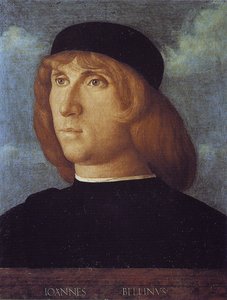
贝尔尼尼大师
1433 - 1516 , 意大利
艺术家简介
- Artistic Movement Or Style: 威尼斯文艺复兴风格
- Artists Or Movements Influenced By This Artist:
- 乔贡乔
- 提坦
- Artists Who Influenced This Artist:
- 雅各波·贝林尼
- 乔泰尔达·法布里亚诺
- Date Of Birth: c. 1430
- Date Of Death: 1516
- Full Name: Giovanni Bellini
- Nationality: 意大利
- Notable Artworks:
- 圣母玛利亚与耶稣圣婴
- 基督鞭笞圣母玛利亚
- Place Of Birth: Venice, Italy
相关文章
Vittore Carpaccio: Venetian Renaissance Narrative & the Poetics of Detail
Explore the captivating world of Vittore Carpaccio, a master storyteller of the Venetian Renaissance. Discover his intricate details, narrative cycles like 'The Legend of St. Ursula,' and unique artistic style.

埃尔·格列柯25幅杰作:探索艺术大师的信仰与火焰
探索埃尔·格列柯25幅杰作,领略这位西班牙画家巴洛克风格的宗教绘画魅力。从《圣塞巴斯蒂安》到《沉思者》,感受信仰与艺术的交融。OriginalUniqueArt.com提供高品质油画复制品,为您的家居装饰增添经典之美!探索完整系列作品。

丁托列托25幅杰作:威尼斯光影大师的艺术传奇 | OriginalUniqueArt
探索丁托列托25幅杰作:深入了解这位威尼斯光影大师的艺术传奇!从宗教绘画到神话故事,感受文艺复兴与巴洛克风格的完美融合。OriginalUniqueArt.com提供高清艺术复制品和家居装饰灵感,点亮您的生活空间。立即探索完整系列!
Golden Light & Rich Color: The Timeless Magic of Venetian Renaissance Art
Explore the luminous beauty of Venetian Renaissance art. Discover how masters like Titian used colorito and golden light to redefine painting through texture, emotion, and atmospheric brilliance in a masterclass of historical artistry.

Venetian Renaissance: The Mastery of Color, Light, and the Art of Colorito
Explore the luminous mastery of the Venetian Renaissance. Discover how masters like Titian and Giorgione revolutionized art through colorito, light, and atmosphere. An expert guide to the golden age of Italian painting for collectors and enthusiasts.

