

 实景预览
实景预览
 发送
发送 分享
分享
 详情
详情 指南
指南

 下载图片
下载图片
 相似作品
相似作品 X射线
X射线 幻灯片播放
幻灯片播放 统计数据
统计数据St Francis in Ecstasy
 Oil On Panel
- Renaissance
 1480
1480 120.0 x 137.0 cm
 弗里克收藏馆
 阅读全文
阅读全文
艺术微喷/版画
博物馆级艺术微喷或帆布版画,制作高效,并提供多种饰面选择。 ( 订购此收藏品的纯手工复刻画作 切换至数字图像销售渠道)




P118B $10

P118H $10

P118W $10

P438Z $10

P508JH $12

P508YH $12

P805H $10

P805Z $10

P919BZ $10

P919G $10

P919XJ $10

P959ZH $10

P968JZ $12

W106C $8

W218G $10

W218JH $8

W218Y $10

W307PJ $10

W316G $10

W316PJ $8

W316Y $10

W398PJ $8

W4111J $10

W500HY $15

W500JH $15

W692G $12

W849H $8

W940BG $15

W953PJ $8




您可以从与原作比例一致的预设尺寸中进行选择。

您可以输入自定义尺寸,以适配特定的画框或空间。如果您选择的尺寸与原图比例不符,我们将对作品进行裁剪,或通过镜像填充/纯色填充边缘的方式来扩展图像。在开始制作之前,我们会向您发送一份数字效果图供您确认。
请注意,屏幕上的预览并不能反映实际的裁剪或扩展效果。只有效果图才能准确展示最终的构图。
虽然我们提供定制尺寸,但为了保持原图比例,我们建议您从预设列表中选择尺寸。


 玻璃选项仅适用于110厘米以下的尺寸。

St Francis in Ecstasy
艺术微喷/版画
复刻品尺寸说明
-


总计金额
$ 80
Giovanni Bellini’s *Saint Francis in Ecstasy*: A Vision of Spiritual Ascent
Giovanni Bellini's *Saint Francis in Ecstasy*, painted around 1480, isn’t merely a depiction of a saint; it’s an immersive experience—a luminous portal into the heart of spiritual transformation. This masterpiece residing within the Frick Collection in New York City transcends the boundaries of mere portraiture, offering instead a profound meditation on faith, nature, and the human yearning for connection with the divine. Bellini, a pivotal figure bridging the gap between the Byzantine artistic traditions he inherited and the burgeoning innovations of the High Renaissance, masterfully employs color, light, and landscape to convey not just what Francis *did*, but how he *felt*—a state of ecstatic union with the natural world and the spiritual realm.
The painting immediately captivates with its ethereal quality. Bellini’s masterful use of oil paints, a relatively new medium in Venice at the time, allows for an unprecedented level of subtlety and luminosity. He eschews the harsh outlines and stark contrasts favored by earlier Venetian painters, opting instead for soft gradations of color and atmospheric perspective. The landscape itself—a rugged, rocky terrain bathed in golden light—isn’t simply a backdrop; it's an active participant in Francis’s experience. Notice how the rocks seem to soften and transform into a flowing stream, mirroring the saint’s own metamorphosis as he receives the stigmata – the wounds of Christ. This deliberate blurring of boundaries between man and nature is a hallmark of Bellini’s style and reflects the Renaissance humanist fascination with the interconnectedness of all things.
The Symbolism of Light and Landscape
Central to understanding *Saint Francis in Ecstasy* is the pervasive use of light. It doesn't emanate from a single source, but rather seems to cascade down from the upper left corner, bathing Francis in an almost divine radiance. This isn’t simply illumination; it represents grace, revelation, and the transformative power of faith. The golden rays are echoed throughout the painting—in the shimmering surface of the water, the dappled light filtering through the trees, and even in the saint's own flesh. Bellini cleverly employs a technique known as *sfumato*, blurring the edges and contours to create an atmospheric haze that further enhances this sense of ethereal beauty. The inclusion of animals—a donkey, a bird, and three horses—adds another layer of symbolic richness. These creatures, often associated with humility, simplicity, and the natural world, underscore Francis’s commitment to living in harmony with God's creation.
A Masterpiece of Venetian Renaissance Art
Bellini’s *Saint Francis in Ecstasy* is deeply rooted in the artistic traditions of Venice, yet it also represents a significant departure from them. While influenced by the work of Andrea Mantegna—particularly his use of perspective and dramatic lighting—Bellini transcends mere imitation, imbuing the scene with a profound sense of spirituality and emotional depth. The painting’s composition is carefully balanced, drawing the viewer's eye to Francis at the center, while the surrounding landscape provides context and reinforces the theme of divine connection. The fact that the original was cut down from its full size adds an intriguing layer of history—a testament to the painting’s enduring appeal and its ability to captivate audiences for centuries.
A Timeless Vision of Spiritual Transformation
More than just a religious icon, *Saint Francis in Ecstasy* is a timeless meditation on the human condition. It speaks to our innate desire for transcendence, our longing for connection with something greater than ourselves, and our capacity for profound spiritual experience. Bellini’s masterful use of color, light, and landscape creates an atmosphere of serene beauty and emotional intensity—an invitation to contemplate the mysteries of faith and the transformative power of love. It remains a profoundly moving work, continuing to inspire awe and wonder in all who behold it.
艺术家简介
Giovanni Bellini (1430 – 1516): Venetian Renaissance Master
Giovanni Bellini, a name synonymous with the blossoming Renaissance in Venice, stands as a pivotal figure bridging the gap between the traditions of Byzantine art and the innovative spirit that would define the 16th century. Born around 1430 – though some sources suggest 1433 – into a family deeply entrenched in the artistic world, Bellini’s journey was one of continuous evolution, marked by a profound sensitivity to color, light, and the burgeoning humanism of his era. The precise nature of his familial relationships has been debated; for years Jacopo Bellini was considered his father, but modern scholarship increasingly points towards Jacopo being Giovanni's elder half-brother, with Gentile Bellini as his nephew rather than sibling. Regardless of these intricacies, young Giovanni grew up immersed in a workshop brimming with creativity and technical expertise, absorbing the foundations of painting from an early age. His initial training likely involved the traditional tempera techniques favored at the time, but it was his innate talent for observation and emotional expression that would set him apart.Early Influences and Artistic Development
The artistic landscape of 15th-century Venice was a unique blend of influences. The city’s position as a major trading hub exposed its artists to diverse styles and ideas, while the Byzantine heritage continued to exert a strong pull. Bellini's early works reflect this duality. Initially, his style bore the mark of his father and brother, Gentile, with compositions often characterized by meticulous detail and a somewhat restrained emotional palette. However, even in these early pieces, hints of his future brilliance began to emerge – a delicate handling of light, a growing interest in naturalistic settings, and an ability to imbue religious figures with a palpable sense of human pathos. The influence of Andrea Mantegna, his brother-in-law, is also readily apparent during this period, particularly in the clarity of line and sculptural forms. Bellini’s early commissions often involved collaborative projects, such as his contributions to the Scuola di San Marco alongside Gentile and other prominent Venetian artists. These large-scale works provided invaluable experience and allowed him to hone his skills while working alongside some of the most talented painters of the day.- Key Early Works: Crucifixion, Transfiguration, Dead Christ Supported by Angels
- Influences: Andrea Mantegna (Brother-in-law), Byzantine Tradition
Revolutionizing Venetian Painting: Color, Light, and Oil
Bellini’s true revolution lay in his embrace of oil paint. While not the inventor of the technique, he was among the first Venetian artists to fully exploit its potential. Unlike tempera, which dried quickly and demanded a precise, linear approach, oil paint allowed for greater blending, richer colors, and subtle gradations of tone. This newfound freedom enabled Bellini to create paintings with an unprecedented depth and luminosity. His use of color became increasingly sophisticated, moving away from the bright, often harsh hues of earlier Venetian painting towards a more nuanced and harmonious palette. He masterfully captured the effects of light and atmosphere, imbuing his landscapes with a sense of serenity and realism that was groundbreaking for its time. This mastery of oil paint not only transformed his own work but also laid the foundation for the distinctive style that would come to define the Venetian school – a style celebrated for its sensuousness, coloristic richness, and atmospheric perspective.- Technique: Oil Paint - Allowing for blending and luminosity
- Impact on Venetian Art: Established a new aesthetic standard emphasizing naturalism and emotional depth.
Mature Works and Lasting Influence
As Bellini matured, his artistic vision continued to evolve. His altarpieces, such as those created for the churches of San Zaccaria and Santa Corona, demonstrate his ability to create complex compositions filled with symbolic meaning and emotional resonance. The *Transfiguration*, now housed in the Capodimonte Museum in Naples, exemplifies his mature style – a serene spirit combined with ripened artistic powers. He also served as conservator of the paintings in Doge’s Palace, further solidifying his reputation as Venice's leading artist. His influence extended far beyond his own lifetime. He became a mentor to a generation of younger painters, including Giorgione and Titian, who would carry on his legacy and push the boundaries of Venetian art even further. These pupils absorbed Bellini’s techniques and aesthetic principles, adapting them to their own individual styles and contributing to the golden age of Venetian painting.- Notable Altarpieces: San Zaccaria Altar, Santa Corona Altar
- Legacy: Influenced Giorgione and Titian; Established a dominant artistic style in Venice.
A Legacy Enduring Through Time
Giovanni Bellini’s significance extends beyond his technical innovations and artistic achievements. He captured the spirit of a changing world – a world grappling with new ideas about humanity, spirituality, and the relationship between art and nature. His paintings are not merely representations of religious scenes; they are profound meditations on faith, beauty, and the human condition. His ability to imbue his figures with dignity and grace, combined with his masterful use of color and light, created a visual language that resonated deeply with his contemporaries and continues to captivate audiences today. Bellini’s legacy is not simply one of artistic brilliance; it is a testament to the power of art to transcend time and connect us to the enduring values of human experience. From the serene beauty of his Madonnas to the dramatic intensity of his religious scenes, Bellini's work remains a cornerstone of Western art history.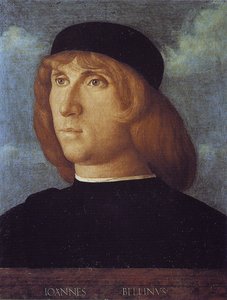
贝尔尼尼大师
1433 - 1516 , 意大利
快速概览
- Artistic Movement Or Style: 威尼斯文艺复兴风格
- Artists Or Movements Influenced By This Artist:
- 乔贡乔
- 提坦
- Artists Who Influenced This Artist:
- 雅各波·贝林尼
- 乔泰尔达·法布里亚诺
- Date Of Birth: c. 1430
- Date Of Death: 1516
- Full Name: Giovanni Bellini
- Nationality: 意大利
- Notable Artworks:
- 圣母玛利亚与耶稣圣婴
- 基督鞭笞圣母玛利亚
- Place Of Birth: Venice, Italy
相关文章

Divine Nature: Exploring the Sacred Iconography and Masterpieces of Saint Francis
Embark on a profound journey through art history with our exploration of Saint Francis's most iconic works. Discover Giotto’s revolutionary frescoes and the spiritual depth of Proto-Renaissance masterpieces through an expert lens for the true classic art enthusiast.

John Francis Sartorius II: Equestrian Elegance & the Rise of British Portraiture
Explore the captivating world of Francis Sartorius II (1734-1804), a leading British painter renowned for his exquisite equestrian portraits and hunting scenes. Discover his life, techniques & enduring legacy.

Mastering Devotion: The Most Iconic Depictions of Saint Jerome in Art History
Explore the profound iconography of Saint Jerome through art history's most iconic masterpieces. From Renaissance serenity to Baroque drama, discover how legendary painters captured divine devotion in breathtaking oil paintings and fine art reproductions.
弗朗西斯·培根:25幅震撼人心的杰作,重塑艺术与家居空间 | Francis Bacon's 25 Masterpieces
探索弗朗西斯·培根25幅震撼人心的杰作,深入了解这位现代艺术大师的创作故事与情感世界。从《三幅习作》到肖像画,感受抽象表现主义的魅力。OriginalUniqueArt.com提供高品质艺术品复制,为您的家居空间增添艺术气息!立即探索完整系列。
Divine Masterpieces: Exploring the Power and Beauty of Saint Artworks
Discover the profound beauty of Saint Artworks. Explore the history, symbolism, and luminous mastery of Renaissance religious masterpieces through an expert art-historical lens.

