

 实景预览
实景预览
 发送
发送 分享
分享
 详情
详情 指南
指南

 下载图片
下载图片
 相似作品
相似作品 X射线
X射线 幻灯片播放
幻灯片播放 统计数据
统计数据Saint Jerome reading in a Landscape
 Oil On Panel
- Renaissance Venetian Style
 1480
1480- Renaissance
 46.0 x 33.0 cm
 国家美术馆
国家美术馆
 阅读全文
阅读全文
手工油画复制品
由我们的艺术家按需定制,为您提供您所选尺寸及画框的布面手工油画。 ( 切换至版画销售渠道 切换至数字图像销售渠道)




P118B $10

P118H $10

P118W $10

P438Z $10

P508JH $12

P508YH $12

P805H $10

P805Z $10

P919BZ $10

P919G $10

P919XJ $10

P959ZH $10

P968JZ $12

W106C $8

W218G $10

W218JH $8

W218Y $10

W307PJ $10

W316G $10

W316PJ $8

W316Y $10

W398PJ $8

W4111J $10

W500HY $15

W500JH $15

W692G $12

W849H $8

W940BG $15

W953PJ $8




您可以从与原作比例一致的预设尺寸中进行选择。

您可以输入自定义尺寸,以适配特定的画框或空间。如果所选尺寸与原图比例不符,我们将通过裁剪作品或添加手绘元素来扩展画面。数字样稿将在制作开始前发送给您确认。
请注意,屏幕预览无法准确反映实际的裁剪或扩展效果,只有样稿才能真实呈现最终的构图。
虽然我们提供定制尺寸服务,但为了保留原作比例,建议您从预设列表中选择尺寸。
下单后,OriginalUniqueArt.com 团队将通过电子邮件联系客户获取具体要求,并提供效果预览图


 玻璃选项仅适用于110厘米以下的尺寸。

Saint Jerome reading in a Landscape
复制品材质
复刻品尺寸说明
-


总计金额
$ 300
A Window into Venetian Renaissance Spirituality
In the quietude of a sun-drenched landscape, Giovanni Bellini’s Saint Jerome Reading in a Landscape invites the viewer into a profound moment of spiritual communion. Executed between 1480 and 1485, this masterpiece is far more than a mere depiction of a saint; it is a carefully orchestrated meditation on the transformative power of solitude. As the eyes wander across the canvas, one encounters Saint Jerome not as a distant icon, but as a figure deeply immersed in the act of scholarly devotion. Set against a backdrop of rugged mountains and a tranquil river, the composition captures the essence of the Venetian Renaissance—a period where the burgeoning humanist fascination with the natural world began to merge seamlessly with enduring religious fervor.
Bellini’s technical mastery is on full display through his sophisticated use of oil paint on panel, a medium that allowed him to achieve an unprecedented level of luminosity. The light in this work does not simply illuminate the scene; it breathes life into the textures of the earth and the heavy folds of the saint's drapery. There is a remarkable depth to the atmosphere, where the hazy, distant peaks seem to recede into infinity, creating a sense of vastness that mirrors the infinite nature of the divine. This atmospheric perspective, a hallmark of the Venetian school, creates an ethereal quality that makes the desert environment feel both tangibly real and spiritually heightened.
Symbolism and the Harmony of Nature
Every element within this landscape serves a symbolic purpose, weaving a narrative of purification and intellectual pursuit. The choice of a wilderness setting is deliberate, representing the ascetic retreat into the desert as a way to strip away worldly distractions. As Jerome engages with his text—the production of the Vulgate Bible—he embodies the Renaissance ideal of the scholar-saint, finding God through the rigorous study of sacred scripture. The presence of the natural world, from the flowing river to the subtle movement in the sky, suggests that all of creation is a participant in this divine dialogue.
For the discerning collector or interior designer, this painting offers an unparalleled emotional resonance. It possesses a serene, contemplative energy that can transform a space, providing a focal point of peace and intellectual gravity. Whether placed in a grand library or a contemporary living area, a high-quality reproduction of this work brings with it the prestige of the Venetian Golden Age. It is an invitation to slow down, to reflect, and to find beauty in the quiet intersections of nature and faith, making it a timeless addition to any curated collection of fine art.
艺术家简介
Giovanni Bellini (1430 – 1516): Venetian Renaissance Master
Giovanni Bellini, a name synonymous with the blossoming Renaissance in Venice, stands as a pivotal figure bridging the gap between the traditions of Byzantine art and the innovative spirit that would define the 16th century. Born around 1430 – though some sources suggest 1433 – into a family deeply entrenched in the artistic world, Bellini’s journey was one of continuous evolution, marked by a profound sensitivity to color, light, and the burgeoning humanism of his era. The precise nature of his familial relationships has been debated; for years Jacopo Bellini was considered his father, but modern scholarship increasingly points towards Jacopo being Giovanni's elder half-brother, with Gentile Bellini as his nephew rather than sibling. Regardless of these intricacies, young Giovanni grew up immersed in a workshop brimming with creativity and technical expertise, absorbing the foundations of painting from an early age. His initial training likely involved the traditional tempera techniques favored at the time, but it was his innate talent for observation and emotional expression that would set him apart.Early Influences and Artistic Development
The artistic landscape of 15th-century Venice was a unique blend of influences. The city’s position as a major trading hub exposed its artists to diverse styles and ideas, while the Byzantine heritage continued to exert a strong pull. Bellini's early works reflect this duality. Initially, his style bore the mark of his father and brother, Gentile, with compositions often characterized by meticulous detail and a somewhat restrained emotional palette. However, even in these early pieces, hints of his future brilliance began to emerge – a delicate handling of light, a growing interest in naturalistic settings, and an ability to imbue religious figures with a palpable sense of human pathos. The influence of Andrea Mantegna, his brother-in-law, is also readily apparent during this period, particularly in the clarity of line and sculptural forms. Bellini’s early commissions often involved collaborative projects, such as his contributions to the Scuola di San Marco alongside Gentile and other prominent Venetian artists. These large-scale works provided invaluable experience and allowed him to hone his skills while working alongside some of the most talented painters of the day.- Key Early Works: Crucifixion, Transfiguration, Dead Christ Supported by Angels
- Influences: Andrea Mantegna (Brother-in-law), Byzantine Tradition
Revolutionizing Venetian Painting: Color, Light, and Oil
Bellini’s true revolution lay in his embrace of oil paint. While not the inventor of the technique, he was among the first Venetian artists to fully exploit its potential. Unlike tempera, which dried quickly and demanded a precise, linear approach, oil paint allowed for greater blending, richer colors, and subtle gradations of tone. This newfound freedom enabled Bellini to create paintings with an unprecedented depth and luminosity. His use of color became increasingly sophisticated, moving away from the bright, often harsh hues of earlier Venetian painting towards a more nuanced and harmonious palette. He masterfully captured the effects of light and atmosphere, imbuing his landscapes with a sense of serenity and realism that was groundbreaking for its time. This mastery of oil paint not only transformed his own work but also laid the foundation for the distinctive style that would come to define the Venetian school – a style celebrated for its sensuousness, coloristic richness, and atmospheric perspective.- Technique: Oil Paint - Allowing for blending and luminosity
- Impact on Venetian Art: Established a new aesthetic standard emphasizing naturalism and emotional depth.
Mature Works and Lasting Influence
As Bellini matured, his artistic vision continued to evolve. His altarpieces, such as those created for the churches of San Zaccaria and Santa Corona, demonstrate his ability to create complex compositions filled with symbolic meaning and emotional resonance. The *Transfiguration*, now housed in the Capodimonte Museum in Naples, exemplifies his mature style – a serene spirit combined with ripened artistic powers. He also served as conservator of the paintings in Doge’s Palace, further solidifying his reputation as Venice's leading artist. His influence extended far beyond his own lifetime. He became a mentor to a generation of younger painters, including Giorgione and Titian, who would carry on his legacy and push the boundaries of Venetian art even further. These pupils absorbed Bellini’s techniques and aesthetic principles, adapting them to their own individual styles and contributing to the golden age of Venetian painting.- Notable Altarpieces: San Zaccaria Altar, Santa Corona Altar
- Legacy: Influenced Giorgione and Titian; Established a dominant artistic style in Venice.
A Legacy Enduring Through Time
Giovanni Bellini’s significance extends beyond his technical innovations and artistic achievements. He captured the spirit of a changing world – a world grappling with new ideas about humanity, spirituality, and the relationship between art and nature. His paintings are not merely representations of religious scenes; they are profound meditations on faith, beauty, and the human condition. His ability to imbue his figures with dignity and grace, combined with his masterful use of color and light, created a visual language that resonated deeply with his contemporaries and continues to captivate audiences today. Bellini’s legacy is not simply one of artistic brilliance; it is a testament to the power of art to transcend time and connect us to the enduring values of human experience. From the serene beauty of his Madonnas to the dramatic intensity of his religious scenes, Bellini's work remains a cornerstone of Western art history.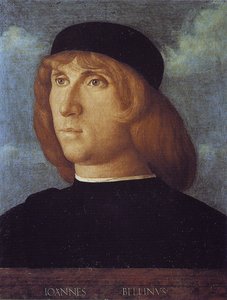
贝尔尼尼大师
1433 - 1516 , 意大利
快速概览
- Artistic Movement Or Style: 威尼斯文艺复兴风格
- Artists Or Movements Influenced By This Artist:
- 乔贡乔
- 提坦
- Artists Who Influenced This Artist:
- 雅各波·贝林尼
- 乔泰尔达·法布里亚诺
- Date Of Birth: c. 1430
- Date Of Death: 1516
- Full Name: Giovanni Bellini
- Nationality: 意大利
- Notable Artworks:
- 圣母玛利亚与耶稣圣婴
- 基督鞭笞圣母玛利亚
- Place Of Birth: Venice, Italy
相关文章
Late Medieval Masterpieces: 10 Artworks That Defined an Era | OriginalUniqueArt
Journey through 10 defining Late Medieval masterpieces – from Giotto's frescoes to Jan van Eyck’s realism. Explore the stories, techniques & vibrant colors of Gothic art. Find museum-quality reproductions and elevate your home decor with OriginalUniqueArt.com! Discover all masterpieces on OriginalUniqueArt.com

Mastering Devotion: The Most Iconic Depictions of Saint Jerome in Art History
Explore the profound iconography of Saint Jerome through art history's most iconic masterpieces. From Renaissance serenity to Baroque drama, discover how legendary painters captured divine devotion in breathtaking oil paintings and fine art reproductions.

Venetian Renaissance: The Mastery of Color, Light, and the Art of Colorito
Explore the luminous mastery of the Venetian Renaissance. Discover how masters like Titian and Giorgione revolutionized art through colorito, light, and atmosphere. An expert guide to the golden age of Italian painting for collectors and enthusiasts.
丁托列托25幅杰作:威尼斯光影大师的艺术传奇 | OriginalUniqueArt
探索丁托列托25幅杰作:深入了解这位威尼斯光影大师的艺术传奇!从宗教绘画到神话故事,感受文艺复兴与巴洛克风格的完美融合。OriginalUniqueArt.com提供高清艺术复制品和家居装饰灵感,点亮您的生活空间。立即探索完整系列!

High Medieval Art: 10 Masterpieces That Shaped an Era | OriginalUniqueArt
Journey through High Medieval Art! Explore 10 iconic masterpieces – from Giotto's frescoes to stunning Gothic cathedrals. Discover the stories behind these timeless paintings, sculptures & illuminated manuscripts. Find museum-quality art reproductions at OriginalUniqueArt.com.

