

 效果预览
效果预览
 分享
分享 分享
分享
 详情
详情

 下载
下载
 相似作品
相似作品 X射线
X射线 幻灯片播放
幻灯片播放 统计数据
统计数据Beggar Boy
 Oil On Canvas
- WallArt
- Baroque Rococo
 1725
1725- Early Modern
 67.0 x 55.0 cm
 芝加哥艺术学院
 展开详情
展开详情
艺术微喷/版画
博物馆级艺术微喷或帆布版画,制作高效,并提供多种饰面选择。 ( 购买手绘画作 切换至数字图像销售渠道)




P118B $10

P118H $10

P118W $10

P438Z $10

P508JH $12

P508YH $12

P805H $10

P805Z $10

P919BZ $10

P919G $10

P919XJ $10

P959ZH $10

P968JZ $12

W106C $8

W218G $10

W218JH $8

W218Y $10

W307PJ $10

W316G $10

W316PJ $8

W316Y $10

W398PJ $8

W4111J $10

W500HY $15

W500JH $15

W692G $12

W849H $8

W940BG $15

W953PJ $8




从与原作比例一致的预设尺寸中进行选择。

您可以输入自定义尺寸,以适配特定的画框或空间。如果您选择的尺寸与原图比例不符,我们将对作品进行裁剪,或通过镜像填充/纯色填充边缘的方式来扩展图像。在开始制作之前,我们会向您发送一份数字效果图供您确认。
请注意,屏幕上的预览并不能反映实际的裁剪或扩展效果。只有效果图才能准确展示最终的构图。
虽然我们提供定制尺寸,但为了保持原图比例,我们建议您从预设列表中选择尺寸。


 玻璃选项仅适用于110厘米以下的尺寸。

Beggar Boy
艺术微喷/版画
复制品尺寸
-


最终总价
$ 80
A Poignant Encounter with the Everyday
In the quiet, shadowed depths of Giovanni Battista Piazzetta’s Beggar Boy, we encounter more than just a portrait; we meet a soul captured in a moment of profound, unadorned existence. Painted around 1725, this masterpiece serves as a window into the Venetian Rococo period, yet it eschews the typical frivolity often associated with the era. Instead, Piazzetta directs our gaze toward a young figure whose presence is both startlingly direct and deeply moving. The boy, with his sturdy neck and youthful, rounded features, looks out from the canvas with an expression that defies simple pity. There is no performative sorrow here, no desperate plea for the viewer's sympathy; rather, there is a striking candour, a raw honesty that commands respect and invites a deeper contemplation of the human condition.
The composition is masterfully anchored by a dramatic use of chiaroscuro, a technique Piazzetta perfected through his study of masters like Guercino. The background is swallowed by a dark, earthy gloom, which serves to push the subject forward into the light. This intentional contrast ensures that every detail—the texture of the boy's skin, the weight of his gaze, and the vibrant splash of color in his attire—becomes an essential part of the narrative. For the collector or interior designer, this painting offers a powerful focal point, possessing a gravitational pull that can transform the atmosphere of any room with its somber yet luminous energy.
The Alchemy of Light and Earth
Technically, Beggar Boy is a triumph of color theory and textural realism. Piazzetta utilizes a palette that feels rooted in the very soil of the earth. The browns of the boy's coat and the surrounding shadows are reminiscent of the naked ground, suggesting a life lived in close connection to the elemental aspects of existence. Yet, amidst this muted landscape, the artist introduces a sudden, vigorous burst of crimson through the boy's waistcoat. This red is not merely decorative; it provides a rhythmic pulse to the painting, a sign of vitality and strength that prevents the work from descending into mere melancholy.
The light in the piece acts as a sculptor’s tool, much like the wood-carving techniques Piazzetta learned from his father. It catches the crisp white of a sleeve and illuminates the boy's complexion with a warmth that suggests a fleeting moment of sunshine. This interplay between the heavy shadows and the delicate highlights creates an illusionistic depth that is breathtaking to behold. To possess a reproduction of such a work is to bring into one's home a study in balance—the balance between light and dark, between the weight of poverty and the lightness of youth, and between the physical reality of a subject and the spiritual resonance of the artist's vision.
Symbolism and the Spirit of Venice
Beyond its aesthetic brilliance, the painting is rich with subtle symbolic layers. The presence of a rosary in the boy's hand or a simple stick in his grasp speaks to the intersection of the mundane and the divine. In Piazzetta’s hands, these objects are not mere props of a genre scene; they are emblems of a daily life where faith and survival are inextricably linked. This reflects the broader Venetian tradition of finding the sacred within the secular, a theme that resonates deeply with those who appreciate art that possesses both intellectual depth and emotional accessibility.
As a pivotal figure in Venetian art history, Piazzetta bridged the gap between the dramatic realism of the Baroque and the elegant ornamentation of the Rococo. Beggar Boy stands as a testament to this transition, offering a sense of psychological complexity that remains as relevant today as it was in the 18th century. For those seeking to curate a collection of high-quality reproductions, this work offers an unparalleled opportunity to celebrate a moment of timeless human dignity, making it an exquisite addition to any sophisticated interior design scheme.
艺术家简介
威尼斯的早年生活与艺术启蒙
乔凡尼·巴蒂斯塔·皮亚泽塔(Giovanni Battista Piazzetta)于2月13日出生在威尼斯,年份虽在1682或1683年之间存在些许模糊的记载,但他降生时,这座城市正沉浸在深厚的艺术传统之中,却又悄然经历着审美趣味的微妙转变。他的父亲贾科莫·皮亚泽塔是一位雕塑家,因此年轻的乔凡尼最初是在家族作坊中接受训练,通过木雕艺术培养了对形态与工艺的早期感知。然而,他的艺术之路很快转向了绘画,并于1697年开始跟随安东尼奥·莫利纳里学习。这段奠基时期的学习为他打下了技法基础,但真正令其艺术生命发生蜕变的,是1703年至1705年间在博洛尼亚的旅居。在那里,他汲取了朱塞佩·玛利亚·克雷斯皮的教诲,这位大师以其描绘日常生活、兼具卓越写实感与心理深度的风俗画而闻名。这段经历成为了皮亚泽精神进化的核心特征:博洛尼亚的影响使他痴迷于捕捉平凡人的生命力,这种敏锐的情感感知,使他从众多偏好宏大历史或神话叙事的威尼斯同辈艺术家中脱颖而出。独特的洛可可之声:风格与影响
皮亚泽塔的艺术语言通常被归类于洛可可运动,但他在这场运动中占据了一个近乎独一无二的位置。尽管他接纳了那个时代对优雅与装饰性细节的追求,但他的作品却拥有一种深邃的情感共鸣和明暗对比的强度,这使他区别于那些纯粹追求华丽装饰的画家。他以运用温暖而浓郁的色彩而著称——深红、赭石与棕褐——营造出一种既亲密又神秘的氛围。他的画作不仅仅是视觉上的赏心悦目,更是一种引人沉思的邀请。这位艺术家赋予宗教题材以触手可及的人间戏剧感,这一点尤为令人瞩目。他频繁描绘平民阶层,并在构图中将他们提升至具有尊严与精神意义的高度。这并非单纯的写实追求,而是反映了他对普通人生活的真诚同情。现收藏于威尼斯学院美术馆的《占卜师》便是这一特质的完美体现。这幅画的力量不在于繁复的细节,而在于人物细微的姿态与神情,暗示着那些隐秘的焦虑与深刻的内心挣扎。虽然他也承认像提埃坡罗这样当时威尼斯艺术主导人物的光辉与明亮,但皮亚泽塔却开辟了自己的道路,去探索那些提埃坡罗在很大程度上避而不谈的、更为阴郁且内省的主题。卓越作品与艺术广度
皮亚泽塔的艺术创作极其丰富多样,涵盖了诸如《圣方济各的狂喜》、《帕多瓦的圣安东尼》、《圣盖塔》以及《守护天使》等宗教绘画。这些作品展示了他对构图的精湛掌控,以及通过富有表现力的形象和戏剧性光影传达精神热忱的能力。然而,若仅将他局限于宗教题材,则是一种遗憾。他的艺术范畴显著地延伸到了风俗画领域,以敏锐的观察力和对人类心理的深刻理解来描绘日常生活。这种探索更广泛题材的意愿使他在同辈中独树一帜。他并不畏惧去刻画人类存在的复杂性,即便是在看似平凡的场景之中。艺术家的构图往往包含精心安排的人物群组,创造出动态的叙事感,将观众拉入画面之中。他对细节的关注——织物的纹理、光线在脸庞上的流转——为他的作品增添了一层写实主义的真实感与临场感。晚年生活、教学与持久的遗产
1750年,皮亚泽塔的职业生涯达到了巅峰,他被任命为新成立的威尼斯美术学院的首任院长。这一任命彰显了他在威尼斯艺术界的地位,并为他提供了培养下一代艺术家的平台。他的晚年致力于教学,将自己的知识与艺术原则传授给志向远大的画家们。1727年,他当选为享有盛誉的博洛尼亚克莱门蒂纳学院成员,进一步巩固了他在意大利艺术界的领军地位。皮亚泽塔对威尼斯绘画的影响超越了他的亲传弟子。他对情感深度与心理写实主义的强调,为后来那些试图超越纯装饰风格的艺术家铺平了道路。尽管在生前或许没有像某些同辈那样获得广泛的赞誉,但他的作品在近年来经历了复兴,学者们重新认识到了他对洛可可运动的独特贡献,以及他捕捉人类境遇复杂性的持久能力。他的画作至今仍以其温暖、戏剧性与深邃的神秘感,持续俘获着每一位观者的心灵。
乔凡尼·巴蒂斯塔·皮亚泽塔
1715 - 1754 , 意大利
艺术家简介
- Artistic Movement Or Style: 洛可可风格
- Artists Who Influenced This Artist:
- G.M. Crespi
- Antonio Molinari
- Date Of Birth: 1682年或1683年
- Date Of Death: 1754年
- Full Name: 乔凡尼·巴蒂斯塔·皮亚泽塔
- Nationality: 意大利
- Notable Artworks:
- 圣方济各的狂喜
- 帕多瓦的圣安东尼
- 圣高枝人
- 守护天使
- 占卜师
- Place Of Birth: 意大利,威尼斯
相关文章

10 Iconic Rococo Masterpieces That Defined an Era of Elegance
Step into the elegance of the 18th century. Explore 10 iconic Rococo masterpieces, from Fragonard to Watteau, through their stories and pastel beauty. Find museum-quality art reproductions and decor inspiration at OriginalUniqueArt.com. Discover all masterpieces on OriginalUniqueArt.com

10 Iconic Rococo Masterpieces That Defined an Era of Elegance
Step into the era of elegance with our guide to 10 Rococo masterpieces. From Fragonard's romance to Watteau's grace, explore the pastel beauty and ornate detail of this iconic movement. Find museum-quality art reproductions on OriginalUniqueArt.com. Discover all masterpieces online.

10 Iconic Masterpieces That Capture the Soul of Italy
Journey through Italy's soul with 10 iconic masterpieces. From Renaissance legends to romantic landscapes, explore the stories behind these timeless works. Find museum-quality art reproductions and curated decor inspiration at OriginalUniqueArt.com. Discover all masterpieces online.
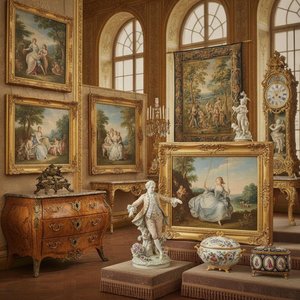
10 Iconic Rococo Masterpieces That Defined an Era of Elegance
Step into the elegance of the 18th century. Explore 10 iconic Rococo masterpieces by Fragonard and Boucher, featuring pastel hues and ornate beauty. Find museum-quality art reproductions and decor inspiration at OriginalUniqueArt.com. Discover all masterpieces on OriginalUniqueArt.com.

洛可可艺术史诗:十幅名作定义优雅与华彩
探索洛可可艺术的辉煌!本文精选十幅名作,从华丽色彩到精致细节,揭秘法国洛可可风格的魅力。跟随大师们的足迹,感受艺术史上的优雅与浪漫。OriginalUniqueArt.com为您提供博物馆品质的艺术复制品和个性化家居装饰方案。尽在OriginalUniqueArt.com!