
 效果预览
效果预览
 购买印刷品
购买印刷品 分享
分享 分享
分享
 详情
详情

 下载
下载
 相似作品
相似作品 X射线
X射线 幻灯片播放
幻灯片播放Cup


 展开详情
展开详情
购买高分辨率增强版数字图像,其品质远超在线预览。
每一份文件都由我们的内部专家使用先进工具与专业的后期润色技术精心打造。我们确保每一张图像都具备卓越的清晰度、精准的色彩还原度以及细腻的细节表现。
最终文件将在 72 小时内通过电子邮件交付,并针对专业、编辑及印刷用途进行了优化。其品质与顶级设计工作室、出版社和画廊所信赖的标准完全一致。
每份数字图像订单均包含
专业数字图像交付,品质保障
选择 OriginalUniqueArt.com,您获得的不仅仅是一张图像——您收到的是经过专业级增强、精雕细琢的数字艺术作品,并享有满意保证。以下是您的订单中自动包含的所有内容:

邮件快速送达
您的高分辨率数字图像文件将在下单后 72 小时内通过电子邮件发送给您 —— 即可立即使用。

AI 增强型数字文件
您的艺术品经过专业优化,结合先进的 AI 技术与人工修饰,确保呈现极致的细节、清晰度与色彩准确度。

终身免费重发服务
不小心删除了文件或找不到了?没关系——我们将随时为您免费重发。

无需进口费用,始终如一
即刻拥有您的艺术作品,无需支付任何关税、税费或运费——数字下载始终免税。

色彩精准保证
我们通过专业工具与色彩管理技术,确保您的数字图像尽可能真实地还原原作色彩。

60天满意保证
如果您对所购买的数字图像不满意,我们将在60天内为您进行修改或退还100%的款项——无需任何解释。

100% 退款保证
如果不满意?在收到数字文件后的60天内,我们为您提供全额退款——无需任何理由。

批量订单优惠
购买 3 张图片可享 10% 折扣 - 购买 5 张可享 15% 折扣 - 购买 10+ 张可享 20% 折扣。非常适合创意项目、画廊和机构使用。
藏品详情
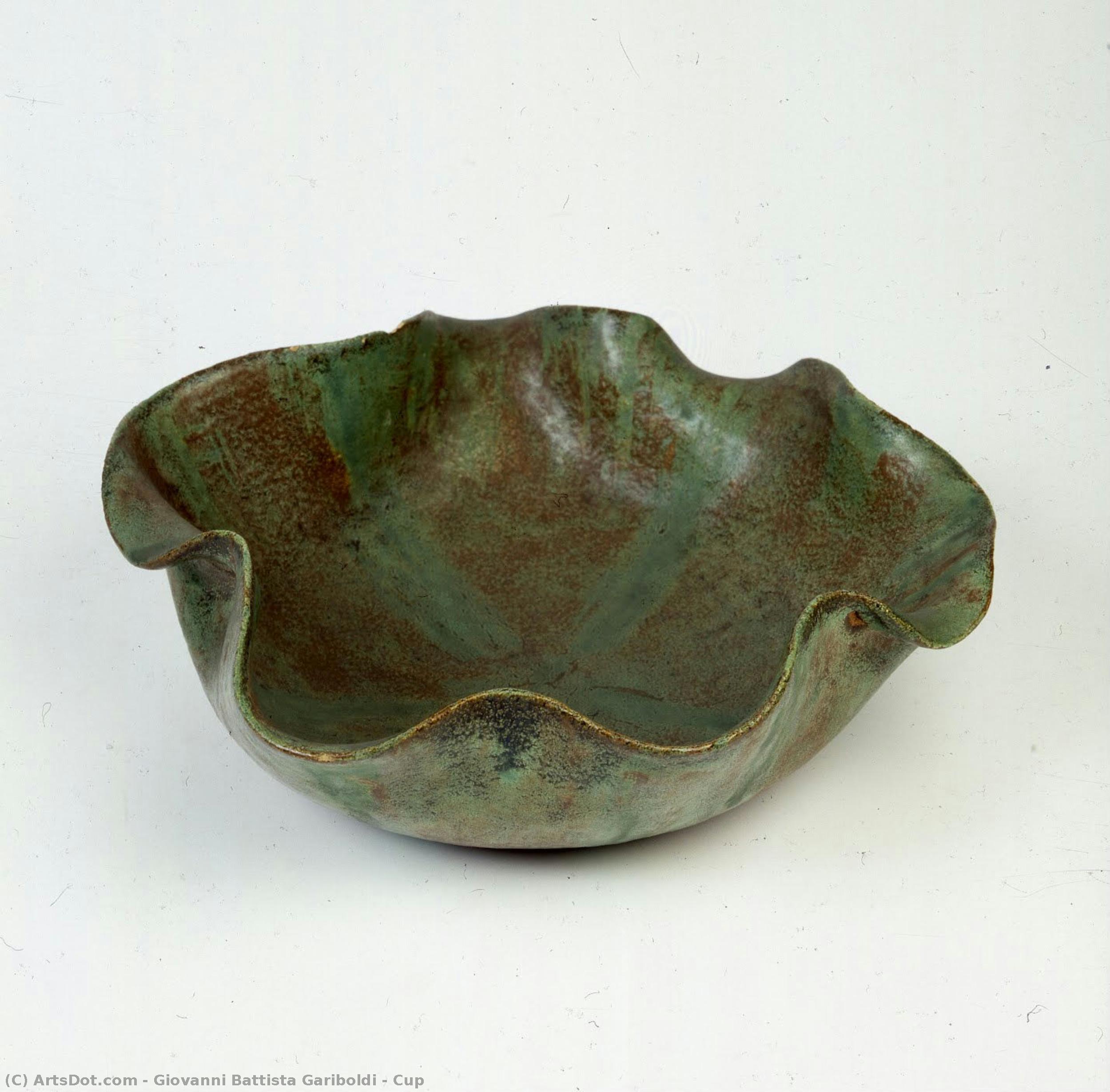
Giovanni Battista Gariboldi: Cup - A Study in Organic Texture and Serene Green
Giovanni Battista Gariboldi’s 1936 ceramic bowl stands as a testament to the enduring power of Italian craftsmanship and a masterful exploration of natural forms. More than just tableware, it embodies a deliberate aesthetic choice—a commitment to capturing the essence of organic beauty within a meticulously crafted medium.
- Subject Matter: The bowl’s central focus is simplicity itself: a single ceramic vessel designed to hold liquid. However, its unassuming appearance belies a profound consideration for visual harmony and textural richness.
- Style: Gariboldi's work aligns squarely with the principles of ceramic art—a tradition rooted in ancient techniques and celebrated for its ability to transform raw materials into objects of enduring elegance. Influenced by Art Deco sensibilities, it leans towards geometric forms softened by organic contours.
- Technique: The bowl’s surface is achieved through a painstaking process of hand-building – likely utilizing coil construction—followed by careful glazing application. This technique ensures that every piece possesses unique variations in tone and texture, reflecting the inherent irregularities of natural materials.
The glaze itself contributes significantly to the overall impression. Gariboldi skillfully employs a palette dominated by shades of green – from deep olive tones reminiscent of ancient woodlands to lighter hues suggestive of tranquil lagoons. These colors aren’t merely decorative; they evoke feelings of serenity and connection with the natural world.
Historical Context: Created in 1936, Gariboldi's bowl reflects the broader artistic currents of its time—a period marked by a renewed interest in organic forms and a desire to express emotion through visual language. It stands as an exemplar of Italian ceramic art during the Fascist era, showcasing a dedication to tradition while embracing stylistic innovations.
Symbolism: The bowl’s textured surface – resembling a leaf or petal – speaks to themes of growth, fragility, and renewal. These symbols resonate deeply within Pre-Raphaelite aesthetics—a movement that championed idealized beauty and sought inspiration in medieval myths and legends. Gariboldi's piece invites contemplation on the relationship between humanity and nature.
Emotional Impact: Viewing Gariboldi’s bowl is an experience of quiet contemplation. Its understated elegance and harmonious color palette inspire a sense of calm and appreciation for artisanal skill—a reminder that beauty can be found in simplicity and that objects crafted with care hold profound emotional resonance.
艺术家简介
Edward Burne-Jones: A Dreamer of Myth and Beauty
Born in Birmingham in 1833, Edward Burne-Jones was more than just a painter; he was a conjurer of dreams, a weaver of mythic tapestries brought to life on canvas. His art, deeply rooted in the Pre-Raphaelite movement yet possessing a uniquely personal vision, captivated audiences and continues to enthrall viewers today. From his early days studying at Oxford University, initially with aspirations for the priesthood, Burne-Jones’s path swiftly diverged towards the intoxicating world of artistic creation, guided by the influential mentorship of William Morris and, crucially, Rossetti.
Rossetti's profound impact shaped Burne-Jones’s aesthetic. He rejected the perceived artificiality of academic painting, embracing instead a style characterized by rich color, intricate detail, and a fascination with medieval and Arthurian legends. Unlike his Pre-Raphaelite contemporaries who often focused on contemporary subjects, Burne-Jones sought inspiration in the distant past—in Botticelli’s graceful figures and the timeless narratives of classical mythology. His palette was bold and luminous, favoring deep reds, blues, and golds, creating a sense of otherworldly beauty and dramatic intensity.
- Key Subjects: Burne-Jones consistently returned to themes of chivalry, romance, and tragedy – particularly those drawn from the legends of King Arthur and the stories of classical antiquity.
- Technique: He employed a meticulous technique, layering paint with remarkable precision to achieve textures that seemed both solid and ethereal. His figures possessed an almost sculpted quality, imbued with a sense of timelessness.
- Influence: Burne-Jones’s work profoundly influenced the Symbolist movement in France, inspiring artists like Gustave Moreau with his evocative imagery and symbolic use of color.
The Early Years and Artistic Development
Burne-Jones's artistic journey began not within formal academies but through self-directed study and a deep immersion in the visual arts. He eschewed the rigid structures of traditional art education, preferring to learn by observing and imitating masters like Botticelli. This unconventional approach fostered a distinctive style—one that prioritized emotional resonance over strict adherence to academic rules. His early works, such as *The Legend of Perseus*, demonstrated his burgeoning talent for capturing dramatic narratives with a heightened sense of color and form.
Crucially, Burne-Jones’s artistic development was inextricably linked to the vibrant social and intellectual circles of London during the mid-19th century. He engaged in lively debates about art and literature alongside figures like Morris, Rossetti, and Dante Gabriel Rossetti, absorbing new ideas and refining his own artistic vision. This period witnessed a flourishing of Pre-Raphaelite activity, with artists experimenting with innovative techniques and challenging conventional notions of beauty.
Major Works and Recognition
Burne-Jones’s career gained significant momentum in 1877 with the opening of the Grosvenor Gallery, where he unveiled a series of large-scale paintings that immediately captivated the public. These works—including *The Legend of King Arthur*, *Sir Percival at the Grail*, and *Sleeping Beauty*—were lauded for their dramatic intensity, exquisite detail, and evocative atmosphere. The success of these exhibitions catapulted Burne-Jones to international fame, establishing him as one of the leading artists of his generation.
- The Legend of King Arthur: This monumental work, depicting a pivotal moment from the Arthurian cycle, exemplifies Burne-Jones’s mastery of composition and color.
- Sleeping Beauty: A poignant portrayal of innocence and vulnerability, this painting showcases Burne-Jones's ability to convey complex emotions through subtle gestures and expressions.
- Sir Percival at the Grail: This iconic image captures the mystical journey of Sir Percival as he seeks the Holy Grail, demonstrating Burne-Jones’s skill in creating a sense of otherworldly beauty and spiritual significance.
Legacy and Historical Significance
Despite initial acclaim, Burne-Jones's reputation experienced a decline after his death in 1898, partly due to critical backlash against the perceived melodrama of his work. However, in the mid-20th century, his art was rediscovered and reevaluated, leading to a resurgence of interest in his paintings. Today, Edward Burne-Jones is recognized as one of the most important figures in Pre-Raphaelite art—a visionary painter who captured the imagination with his dreamlike depictions of mythic tales and timeless beauty.
His influence extends beyond the realm of painting, impacting areas such as design, illustration, and decorative arts. Burne-Jones’s work continues to inspire artists and designers today, demonstrating the enduring power of his artistic vision and his ability to transport viewers to a world of enchantment and wonder. His legacy resides not only in the masterpieces he created but also in the profound impact he had on the course of art history.

giovanni battista gariboldi
1833 - 1908

