
 分享
分享 分享
分享
 详情
详情 指南
指南

 下载作品
下载作品
 相似作品
相似作品 幻灯片播放
幻灯片播放 问答
问答 统计数据
统计数据Camera obscura


 展开全文
展开全文
艺术微喷/版画
博物馆级艺术微喷或帆布版画,制作高效,并提供多种饰面选择。 ( 订购纯手工绘制画作 切换至数字图像销售渠道)




































您可以从与原作比例一致的预设尺寸中进行选择。

请输入您所需的宽度和高度,以适配您的画框或墙面。由于印刷品只能进行裁剪,无法超出原图尺寸,因此若比例不一致,画面的一部分将会被裁切。在正式印刷之前,我们会为您发送一份数字效果图供您确认。本页面显示的图片并非最终裁剪后的效果——只有效果图才能展示真实的裁剪情况。


 玻璃选项仅适用于110厘米以下的尺寸。

Camera obscura
艺术微喷/版画
复刻品尺寸
-


最终结算价
¥ 544
Canaletto's Intimate Glimpse: The Camera Obscura
Giovanni Antonio Canal, better known as Canaletto, was a master of observation, a chronicler of Venice and its surrounding landscapes with an unparalleled eye for detail. This remarkable painting, depicting a camera obscura – a device he himself possessed and meticulously documented – offers a rare and intimate window into the artist’s creative process and the burgeoning science of optics in the early 18th century. The image, currently housed within the Museo Correr in Venice, isn't merely a representation of a scientific instrument; it’s a testament to Canaletto’s intellectual curiosity and his pioneering approach to landscape painting.
- The Mechanics of Vision: The camera obscura, essentially a darkened room with a pinhole lens, projected an inverted image of the outside world onto its walls. Canaletto's depiction captures this phenomenon precisely – a wooden box constructed with a glass front, meticulously arranged to capture and display this ethereal projection.
- A Tool for Observation: Canaletto utilized the camera obscura not just as a scientific curiosity but as an invaluable tool for his artistic practice. It allowed him to study light, shadow, perspective, and composition before committing them to canvas, resulting in the remarkably accurate and detailed renderings that define his style.
- Historical Context: Created around 1700, this painting reflects a period of intense scientific inquiry into optics and visual perception. The camera obscura was gaining popularity among artists and scientists alike, offering a new method for understanding and replicating the natural world.
Canaletto’s Topographical Style & Artistic Technique
Canaletto's artistic style is immediately recognizable – characterized by its meticulous detail, precise perspective, and atmospheric clarity. This particular depiction of the camera obscura exemplifies his mastery of topographical painting, a genre he essentially invented. The artist employed a technique of layering thin glazes of oil paint, building up color gradually to achieve remarkable luminosity and depth. Note the subtle gradations in tone, particularly within the wooden construction of the device itself, demonstrating Canaletto’s painstaking attention to texture and form. The inverted projection is rendered with astonishing accuracy, showcasing his keen observational skills and his ability to translate three-dimensional reality onto a two-dimensional surface.
- Oil on Panel: The artwork is executed in oil paint on a wooden panel, a common medium for Canaletto’s work during this period.
- Layered Glazes: The use of numerous thin layers of translucent paint creates a rich and luminous effect, characteristic of Canaletto's style.
- Precise Perspective: The meticulous rendering of perspective demonstrates Canaletto’s mastery of linear perspective, a key element in creating the illusion of depth and realism.
Symbolism & Emotional Resonance
Beyond its technical brilliance, the painting carries symbolic weight. It represents not just a scientific instrument but also the artist's relentless pursuit of knowledge and his desire to capture the beauty and complexity of the world around him. The camera obscura itself can be interpreted as a metaphor for artistic creation – a device that transforms an external reality into an internal representation. The image evokes a sense of quiet contemplation, inviting viewers to consider the fundamental principles of vision and the creative process. Canaletto’s work consistently conveys a feeling of serene order and intellectual curiosity, reflecting his deep connection to Venice and its rich cultural heritage.
A Legacy of Observation
This reproduction offers an exceptional opportunity to own a piece of art history – a tangible link to one of the most celebrated topographical painters of all time. Whether you are an art collector seeking to expand your collection, an interior designer looking for a unique and historically significant artwork to adorn your space, or simply someone captivated by Canaletto’s genius, this painting provides a profound connection to the artist's world and his remarkable ability to capture the essence of Venice.
常见问题与解答
卡纳莱托 的《Camera obscura》 建议用于何种场景?
卡纳莱托 的《Camera obscura》 的建议用途为 Accent,同时也适用于其他场景。
卡纳莱托 的《Camera obscura》 的版权是否允许进行复制?
《Camera obscura》的原作收藏于科雷尔博物馆,该作品属于属于公有领域 —— 其版权已过期。
“Camera obscura”的创作者是谁,属于什么风格?
"Camera obscura" 的背后是 卡纳莱托 及其所属的 Baroque topographical painting 流派。
艺术家简介
威尼斯光影的诗者:卡纳莱托
乔瓦尼·安东尼奥·卡纳莱托,这位在1697年10月18日诞生于水都威尼斯的画家,是十八世纪“维杜特”(Vedute)画派的杰出代表。他的名字,如同他笔下的风景一样,成为了精致、细腻和对现实主义追求的代名词。卡纳莱托并非出身于艺术世家,但他的父亲贝纳多·卡纳莱托是一位颇有声望的舞台布景画家,为年幼的他打开了通往艺术世界的大门。早期的训练奠定了卡纳莱托对构图、透视和光影的敏锐感知,这些技能日后将成为他作品中最显著的特征。
罗马求学与风格初现
1718年,年轻的卡纳莱托前往罗马深造。在罗马期间,他参与了为亚历山德罗·斯卡拉蒂歌剧创作舞台布景的工作。这段经历对他的艺术发展产生了深远的影响。罗马宏伟的建筑、繁华的街景和充满活力的城市生活激发了他的创作灵感。然而,真正让他确立独特风格的,是回到威尼斯后的风景绘画。他开始专注于描绘威尼斯的风光,将这座城市的独特魅力以一种前所未有的方式呈现出来。卡纳莱托摒弃了传统的理想化手法,转而追求对现实场景的精确再现,这在当时是一种大胆的创新。
维杜特画派的领军人物
卡纳莱托最广为人知的作品莫过于他的“维杜特”系列绘画。 “维杜特”意为“城市景观”,而卡纳莱托将这种题材提升到了艺术的高度。他笔下的威尼斯,不再是简单的风景画,而是充满了生活气息和历史感。他细致地描绘了圣马可广场的喧嚣、大运河上的贡多拉和石匠工坊的繁忙景象。《石匠工场》(约1725年)便是这一时期的代表作,它不仅展示了卡纳莱托精湛的绘画技巧,更体现了他对社会生活的敏锐观察。此外,《大运河上的赛艇比赛》则生动地捕捉了威尼斯公众庆典的热烈氛围。他甚至还为英国委托创作了一系列作品,例如《伊顿学院》,充分展现了他的国际影响力。
技法与影响
卡纳莱托的绘画技巧堪称精湛。他对透视学的深入研究和对细节的极致追求,使得他的作品具有极高的真实感。一些学者认为,他可能使用了暗箱(Camera Obscura)来辅助绘制,以确保画面的精确性。然而,卡纳莱托并非仅仅是一位技术娴熟的画家,更是一位富有创造力的艺术家。他注重构图的设计和光影的处理,使得他的作品不仅准确地再现了现实场景,更具有强烈的视觉冲击力。《国家美术馆》(伦敦)收藏了他的多幅作品,充分体现了他对十八世纪艺术的影响。卡纳莱托的风格也影响了一批后来的艺术家,例如他的侄子贝纳多·贝洛托,后者同样是一位杰出的“维杜特”画家。
历史意义与永恒魅力
卡纳莱托的作品不仅仅是风景画,更是对十八世纪威尼斯社会生活和城市风貌的珍贵记录。他的绘画为我们提供了了解那个时代的重要窗口。他笔下的威尼斯,充满了浪漫主义色彩和历史感,吸引了无数艺术爱好者的目光。即使在今天,卡纳莱托的作品仍然具有强大的生命力,继续影响着后世的艺术家和观众。探索卡纳莱托的世界,就像穿越时空,回到那个充满魅力和活力的威尼斯时代。更多作品请访问 https://OriginalUniqueArt.com/@/giovanni-antonio-canal,了解更多信息请查阅维基百科,感受威尼斯艺术之美请访问 帕卢博-福萨蒂收藏馆(意大利威尼斯)。
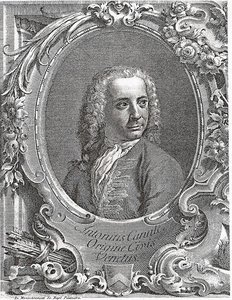
卡纳莱托
1697 - 1768 , 意大利
艺术家简介
- Artistic Movement Or Style: 威尼斯风光画派
- Artists Or Movements Influenced By This Artist: ['丁托列托']
- Artists Who Influenced This Artist: ['乔瓦尼·保罗·潘尼尼']
- Date Of Birth: 1697年10月18日
- Date Of Death: 1768年4月19日
- Full Name: 乔万尼·安东尼奥·卡纳莱托
- Nationality: 意大利国籍
- Notable Artworks:
- 石匠场
- 大运河赛艇比赛
- 伊顿学院
- Place Of Birth (City And Country): 意大利威尼斯
相关文章

Pietro Longhi's Venetian Scenes: A Study of Rococo Society & Domestic Life
Explore the captivating world of Pietro Longhi's Venetian scenes! Discover insightful analysis of his Rococo masterpieces & social commentary on 18th-century life. Learn about this 'Venetian Hogarth' and his lasting artistic legacy.

巴洛克戏剧性:将辉煌与情感融入当代室内设计
探索巴洛克艺术的辉煌与奢华!OriginalUniqueArt提供精湛的手工油画复制、定制服务和专业艺术咨询,助您将经典作品融入当代室内设计,提升家居品味。投资艺术,传承价值。

巴洛克艺术的戏剧性辉煌:历史背景、风格特征与持久影响
深入探索巴洛克艺术的辉煌历史、独特风格与持久影响。了解卡拉瓦乔、贝尼尼等大师的作品,洞悉反宗教改革运动下的艺术变革。OriginalUniqueArt.com为您提供专业的艺术解读与高清画作欣赏。

丁托列托25幅杰作:威尼斯光影大师的艺术传奇 | OriginalUniqueArt
探索丁托列托25幅杰作:深入了解这位威尼斯光影大师的艺术传奇!从宗教绘画到神话故事,感受文艺复兴与巴洛克风格的完美融合。OriginalUniqueArt.com提供高清艺术复制品和家居装饰灵感,点亮您的生活空间。立即探索完整系列!

Giovanni Antonio Canal (Canaletto): A Venetian Master of Light, Space & Societal Observation
Explore the life & art of Giovanni Antonio Canal (Canaletto), a Venetian master renowned for his breathtaking cityscapes. Discover his techniques, legacy, and captivating depictions of 18th-century Venice & London.


