

 效果预览
效果预览
 分享
分享 分享
分享
 详情
详情 指南
指南

 下载
下载
 相似作品
相似作品 X射线
X射线 幻灯片播放
幻灯片播放 统计数据
统计数据Camera obscura


 展开详情
展开详情
艺术微喷/版画
博物馆级艺术微喷或帆布版画,制作高效,并提供多种饰面选择。 ( 购买手绘画作 切换至数字图像销售渠道)




P118B $10

P118H $10

P118W $10

P438Z $10

P508JH $12

P508YH $12

P805H $10

P805Z $10

P919BZ $10

P919G $10

P919XJ $10

P959ZH $10

P968JZ $12

W106C $8

W218G $10

W218JH $8

W218Y $10

W307PJ $10

W316G $10

W316PJ $8

W316Y $10

W398PJ $8

W4111J $10

W500HY $15

W500JH $15

W692G $12

W849H $8

W940BG $15

W953PJ $8




从与原作比例一致的预设尺寸中进行选择。

您可以输入自定义尺寸,以适配特定的画框或空间。如果您选择的尺寸与原图比例不符,我们将对作品进行裁剪,或通过镜像填充/纯色填充边缘的方式来扩展图像。在开始制作之前,我们会向您发送一份数字效果图供您确认。
请注意,屏幕上的预览并不能反映实际的裁剪或扩展效果。只有效果图才能准确展示最终的构图。
虽然我们提供定制尺寸,但为了保持原图比例,我们建议您从预设列表中选择尺寸。


 玻璃选项仅适用于110厘米以下的尺寸。

Camera obscura
艺术微喷/版画
复制品尺寸
-


最终总价
$ 80
A Sculptural Echo of Light and Vision
Canaletto’s “Camera Obscura,” a meticulously crafted wooden device dating back to around 1700, isn't merely a reproduction; it’s a tangible embodiment of the revolutionary vision that shaped his artistic practice. This intimate sculpture, presented against a stark black backdrop, immediately draws the eye, inviting us into a world where light and shadow dance in harmonious collaboration. The piece speaks volumes about Canaletto’s innovative approach to capturing reality – an approach deeply rooted in observation and a fascination with the mechanics of vision itself. The geometric precision of the boxy structure, constructed from carefully joined wooden panels, suggests both the artist's meticulousness and a profound understanding of spatial relationships. It’s not simply a representation of a camera obscura; it *is* the camera obscura, distilled into its essential form.
- Material & Construction: The use of wood – likely stained or varnished to preserve its beauty – speaks to Canaletto's appreciation for tactile quality and enduring craftsmanship. The intricate joinery hints at a deliberate process, reflecting the artist’s careful attention to detail.
- Form & Composition: The vertical orientation emphasizes the height and solidity of the device, creating a sense of direct engagement with the viewer. Lines dominate – sharp, clean lines defining the boxy structure, contrasting with the subtle texture of the wood grain.
- Symbolic Weight: The camera obscura itself represents a pivotal moment in art history—a precursor to photography and a testament to Canaletto’s pioneering spirit. It embodies the pursuit of accurate representation, challenging traditional methods and opening new avenues for artistic expression.
Unlocking the Secrets of Early Photography
Canaletto's fascination with the camera obscura wasn't simply an aesthetic curiosity; it was a deeply practical investigation into how light and shadow create images. The inscription on the device – “A Camera Obscura” – provides a crucial clue, revealing that this object belonged to the Venetian master himself. This discovery dramatically shifts our understanding of Canaletto’s process: he didn't just paint what he saw; he actively *observed* how light transformed his surroundings into visual forms. Research suggests that Canaletto utilized the camera obscura as a tool for sketching, meticulously documenting architectural details and urban landscapes with unprecedented accuracy. The device allowed him to capture perspective and spatial relationships with remarkable precision – a skill that profoundly influenced his later paintings.
Historical Context:The invention of the camera obscura in the 16th century marked a watershed moment in art history. Initially used as a scientific instrument for astronomical observation, it quickly gained popularity among artists seeking to improve their draftsmanship and understand perspective. Canaletto’s embrace of this technology demonstrates his commitment to innovation and his desire to push the boundaries of artistic representation.
A Window into Venice: The Artist's Process
The “Camera Obscura” offers a rare glimpse into Canaletto’s working methods. It’s believed that he used this device not just for sketching, but also as a means of studying light and shadow—analyzing how they interacted with buildings and streets to create the illusion of depth and volume. The resulting drawings were then translated into his celebrated paintings, imbuing them with an extraordinary sense of realism and atmospheric detail. The meticulousness evident in the camera obscura’s construction mirrors the painstaking care Canaletto invested in every brushstroke of his finished works. It's a testament to his dedication to capturing not just appearances, but also the very essence of Venice.
Recreating a Masterpiece: A Reproduction for Today
Reproducing Canaletto’s “Camera Obscura” is more than simply creating a copy; it’s about preserving a vital piece of art history and celebrating the ingenuity of one of Venice's greatest artists. The resulting reproduction captures not only the physical form of the device but also its symbolic significance—a reminder of the enduring power of observation, innovation, and the pursuit of accurate representation. This meticulously crafted replica serves as a tangible link to the 18th century, inviting viewers to contemplate the origins of photography and appreciate Canaletto’s pioneering legacy.
艺术家简介
威尼斯光影的诗者:卡纳莱托
乔瓦尼·安东尼奥·卡纳莱托,这位在1697年10月18日诞生于水都威尼斯的画家,是十八世纪“维杜特”(Vedute)画派的杰出代表。他的名字,如同他笔下的风景一样,成为了精致、细腻和对现实主义追求的代名词。卡纳莱托并非出身于艺术世家,但他的父亲贝纳多·卡纳莱托是一位颇有声望的舞台布景画家,为年幼的他打开了通往艺术世界的大门。早期的训练奠定了卡纳莱托对构图、透视和光影的敏锐感知,这些技能日后将成为他作品中最显著的特征。
罗马求学与风格初现
1718年,年轻的卡纳莱托前往罗马深造。在罗马期间,他参与了为亚历山德罗·斯卡拉蒂歌剧创作舞台布景的工作。这段经历对他的艺术发展产生了深远的影响。罗马宏伟的建筑、繁华的街景和充满活力的城市生活激发了他的创作灵感。然而,真正让他确立独特风格的,是回到威尼斯后的风景绘画。他开始专注于描绘威尼斯的风光,将这座城市的独特魅力以一种前所未有的方式呈现出来。卡纳莱托摒弃了传统的理想化手法,转而追求对现实场景的精确再现,这在当时是一种大胆的创新。
维杜特画派的领军人物
卡纳莱托最广为人知的作品莫过于他的“维杜特”系列绘画。 “维杜特”意为“城市景观”,而卡纳莱托将这种题材提升到了艺术的高度。他笔下的威尼斯,不再是简单的风景画,而是充满了生活气息和历史感。他细致地描绘了圣马可广场的喧嚣、大运河上的贡多拉和石匠工坊的繁忙景象。《石匠工场》(约1725年)便是这一时期的代表作,它不仅展示了卡纳莱托精湛的绘画技巧,更体现了他对社会生活的敏锐观察。此外,《大运河上的赛艇比赛》则生动地捕捉了威尼斯公众庆典的热烈氛围。他甚至还为英国委托创作了一系列作品,例如《伊顿学院》,充分展现了他的国际影响力。
技法与影响
卡纳莱托的绘画技巧堪称精湛。他对透视学的深入研究和对细节的极致追求,使得他的作品具有极高的真实感。一些学者认为,他可能使用了暗箱(Camera Obscura)来辅助绘制,以确保画面的精确性。然而,卡纳莱托并非仅仅是一位技术娴熟的画家,更是一位富有创造力的艺术家。他注重构图的设计和光影的处理,使得他的作品不仅准确地再现了现实场景,更具有强烈的视觉冲击力。《国家美术馆》(伦敦)收藏了他的多幅作品,充分体现了他对十八世纪艺术的影响。卡纳莱托的风格也影响了一批后来的艺术家,例如他的侄子贝纳多·贝洛托,后者同样是一位杰出的“维杜特”画家。
历史意义与永恒魅力
卡纳莱托的作品不仅仅是风景画,更是对十八世纪威尼斯社会生活和城市风貌的珍贵记录。他的绘画为我们提供了了解那个时代的重要窗口。他笔下的威尼斯,充满了浪漫主义色彩和历史感,吸引了无数艺术爱好者的目光。即使在今天,卡纳莱托的作品仍然具有强大的生命力,继续影响着后世的艺术家和观众。探索卡纳莱托的世界,就像穿越时空,回到那个充满魅力和活力的威尼斯时代。更多作品请访问 https://OriginalUniqueArt.com/@/giovanni-antonio-canal,了解更多信息请查阅维基百科,感受威尼斯艺术之美请访问 帕卢博-福萨蒂收藏馆(意大利威尼斯)。
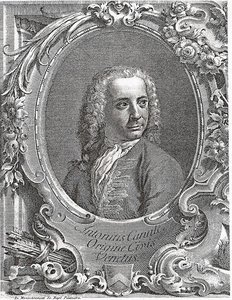
卡纳莱托
1697 - 1768 , 意大利
艺术家简介
- Artistic Movement Or Style: 威尼斯风光画派
- Artists Or Movements Influenced By This Artist: ['丁托列托']
- Artists Who Influenced This Artist: ['乔瓦尼·保罗·潘尼尼']
- Date Of Birth: 1697年10月18日
- Date Of Death: 1768年4月19日
- Full Name: 乔万尼·安东尼奥·卡纳莱托
- Nationality: 意大利国籍
- Notable Artworks:
- 石匠场
- 大运河赛艇比赛
- 伊顿学院
- Place Of Birth (City And Country): 意大利威尼斯
相关文章

康斯塔布尔大师之作:25幅传世风景画赏析 | OriginalUniqueArt
探索康斯塔布尔的25幅传世杰作!沉浸于英国田园风光,感受浪漫主义绘画大师的光影与色彩。高清油画复制、艺术品购买尽在OriginalUniqueArt.com,为您的家居增添经典之美。立即在线探索完整系列!

Evocations of Place: A Historical Journey Through Landscape Art
Explore the rich history of landscape art with OriginalUniqueArt. Discover renowned artists, movements like Impressionism & Romanticism, and expert guidance for collecting timeless pieces. Find your perfect serene escape today!

Giovanni Antonio Canal (Canaletto): A Venetian Master of Light, Space & Societal Observation
Explore the life & art of Giovanni Antonio Canal (Canaletto), a Venetian master renowned for his breathtaking cityscapes. Discover his techniques, legacy, and captivating depictions of 18th-century Venice & London.

Michelangelo Morlaiter: Venetian Landscapes & the Pursuit of Atmospheric Realism
Explore the captivating landscapes of Michelangelo Morlaiter, a key figure in 18th-century Venetian painting. Discover his mastery of atmospheric perspective and lasting influence on Italian art history. Learn more at OriginalUniqueArt.

浪漫主义画派的十部巨作:定义风景画的艺术传奇
探索浪漫主义风景画的巅峰!本文精选十部经典名作,带您领略莫奈、库尔贝等大师的艺术魅力。感受色彩与光影的诗意,重温自然风光的震撼。OriginalUniqueArt.com为您提供博物馆级别的艺术复制品和个性化家居装饰方案。尽在OriginalUniqueArt.com!


