
 实景预览
实景预览
 分享
分享 分享
分享
 详情
详情 指南
指南

 下载作品
下载作品
 相似作品
相似作品 X射线
X射线 幻灯片播放
幻灯片播放 问答
问答 统计数据
统计数据Políptico Baroncelli 1

 展开全文
展开全文
艺术微喷/版画
博物馆级艺术微喷或帆布版画,制作高效,并提供多种饰面选择。 ( 订购纯手工绘制画作 切换至数字图像销售渠道)




P118B ¥10

P118H ¥10

P118W ¥10

P438Z ¥10

P508JH ¥12

P508YH ¥12

P805H ¥10

P805Z ¥10

P919BZ ¥10

P919G ¥10

P919XJ ¥10

P959ZH ¥10

P968JZ ¥12

W106C ¥8

W218G ¥10

W218JH ¥8

W218Y ¥10

W307PJ ¥10

W316G ¥10

W316PJ ¥8

W316Y ¥10

W398PJ ¥8

W4111J ¥10

W500HY ¥15

W500JH ¥15

W692G ¥12

W849H ¥8

W940BG ¥15

W953PJ ¥8




您可以从与原作比例一致的预设尺寸中进行选择。

请输入您所需的宽度和高度,以适配您的画框或墙面。由于印刷品只能进行裁剪,无法超出原图尺寸,因此若比例不一致,画面的一部分将会被裁切。在正式印刷之前,我们会为您发送一份数字效果图供您确认。本页面显示的图片并非最终裁剪后的效果——只有效果图才能展示真实的裁剪情况。


 玻璃选项仅适用于110厘米以下的尺寸。

Políptico Baroncelli 1
艺术微喷/版画
复刻品尺寸
-


最终结算价
¥ 544
The Baroncelli Polyptych: A Revolutionary Window into Giotto’s Vision
Giotto di Bondone's Políptico Baroncelli, completed around 1334, stands as a pivotal work in the transition from the stylized conventions of medieval art to the burgeoning naturalism and emotional depth that would define the Renaissance. More than just an altarpiece intended for the Baroncelli Chapel in Santa Croce, Florence, it represents a profound shift in artistic philosophy – a move towards depicting humanity with unprecedented realism and psychological insight. This monumental panel painting isn’t merely a religious scene; it's a carefully constructed narrative, brimming with symbolism and reflecting Giotto’s revolutionary approach to storytelling within the visual realm.
The polyptych itself is a complex structure, divided into five distinct panels that once formed a single, unified whole. The central panel depicts the Coronation of the Virgin Mary by Christ and God the Father, an event rich in theological significance. Mary, rendered with a grace and dignity previously unseen in Florentine art, kneels before her divine son, accepting the celestial crown offered by God. The figures are not flattened or stylized; they possess volume, weight, and a palpable sense of movement. Giotto masterfully employs light and shadow to sculpt their forms, creating an illusion of three-dimensionality that was groundbreaking for its time. The surrounding angels, depicted with varying expressions of joy and reverence, contribute to the dynamic composition. The use of gold leaf, particularly in the halos and drapery, adds a layer of opulence and spiritual radiance, characteristic of Byzantine influence but skillfully integrated into Giotto’s evolving style.
A Proto-Renaissance Masterpiece: Naturalism and Narrative
What distinguishes the Baroncelli Polyptych is Giotto's commitment to portraying human figures with a startling degree of naturalism. He abandons the rigid, hieratic poses and distant gazes typical of earlier medieval art, opting instead for gestures that are both expressive and believable. The faces of the saints and angels are rendered with meticulous detail, capturing subtle nuances of emotion – sorrow, joy, contemplation – that invite viewers to connect with their experiences. This focus on human psychology was a radical departure from the predominantly symbolic representation prevalent in the preceding era.
Furthermore, Giotto’s narrative approach is remarkably sophisticated. The scene isn't simply a depiction of a religious event; it’s a carefully orchestrated sequence of gestures and expressions that convey a profound sense of drama and emotion. The positioning of figures, their interactions with one another, and the subtle details within each panel all contribute to a cohesive and compelling story. Scholars believe Giotto drew inspiration from Dante's *Divine Comedy*, specifically Canto XXXII, which describes the coronation of the Virgin in vivid detail. This connection suggests that Giotto aimed to translate the poem’s complex theological and emotional themes into a visual language accessible to his audience.
Technique and Materials: A Symphony of Color and Texture
The Baroncelli Polyptych is executed in tempera paint on wood, a technique that allowed for vibrant colors and fine detail. Giotto’s masterful use of color – rich reds, blues, greens, and golds – creates a dazzling visual effect. The application of the paint is remarkably smooth and luminous, contributing to the painting's overall sense of realism. The wooden panels themselves were meticulously carved and then gilded with gold leaf, adding to the polyptych’s grandeur and spiritual significance. Note the intricate detailing in the frame, likely added later by Domenico Ghirlandaio, which further enhances the artwork’s visual impact.
A Legacy of Innovation: Giotto's Enduring Influence
The Baroncelli Polyptych represents a watershed moment in art history. It marked a decisive break from the conventions of medieval painting and paved the way for the innovations of the Renaissance. Giotto’s emphasis on naturalism, emotional depth, and narrative storytelling profoundly influenced generations of artists who followed him. His work demonstrated that art could not only depict religious subjects but also capture the complexities of human experience – a concept that would become central to the artistic ideals of the Renaissance. Today, this magnificent polyptych continues to inspire awe and admiration for its beauty, skill, and historical significance.
常见问题与解答
什么样的摆放方式最适合 乔托 的《Políptico Baroncelli 1》 的画幅?
凭借其Tall的形态,建议将《Políptico Baroncelli 1》复制品用于装饰Living Room。
"Políptico Baroncelli 1" 描绘了怎样的内容,又营造了怎样的氛围?
乔托 的《Políptico Baroncelli 1》 将 crowd, building, gold background, figures, gathering, medieval, renaissance 与 Elegant 的氛围完美融合。
考虑到其色调,建议将"Políptico Baroncelli 1"陈列在哪个房间?
凭借其Dark的色调,乔托 的《Políptico Baroncelli 1》非常适合布置在Living Room中。其色彩搭配正是这一推荐的核心原因。
艺术家简介
佛罗伦斯的牧羊男孩:乔托的革命性视野
大约在1267年,乔托·迪·邦多内诞生于佛罗伦斯附近连绵起伏的山丘之中。他从卑微的身世崛起,成为了中世纪艺术惯例向文艺复兴过渡中最关键的人物之一。他的早期生活充满了传奇色彩——一个牧羊男孩在岩石上描绘出栩栩如生的羊群,引起了佛罗伦萨大师西马布威的注意。无论这是否是事实或民间传说,这个故事都浓缩了乔托的天赋精髓:一种天生能够以前所未有的真实感和情感深度捕捉自然世界的才能。作为西马布威的学徒,乔托很快超越了他的老师,吸收了技术技能,但开辟了一条截然不同的道路。当时占据主导地位的拜占庭风格偏爱程式化的形象、扁平透视和华丽的金背景——这些是精神超脱的象征,而不是对世俗现实的描绘。然而,乔托渴望将人性描绘成并非空灵的偶像,而是充满情感、存在于有形空间中的个体。
挣脱拜占庭的束缚:一种新的自然主义
乔托的艺术革命不是一次突发的变革,而是一个逐渐演变的过程。他早期的作品已经暗示了即将到来的转变,展示了一种对体积、重量和可信解剖结构的日益重视。他开始观察光与影,不仅仅将其视为装饰性元素,而是作为塑造形式和创造深度的工具。这种新兴的自然主义在他在阿西西上教堂圣弗朗西斯大殿的壁画中所做的贡献中显而易见——尽管作者身份仍存在争议,但许多学者认为乔托的手笔出现在那些明显偏离了盛行拜占庭美学的场景中。他并非简单地拒绝传统;他是在建立在传统的基础上,将新的人性与情感共鸣注入到既定的形式中。他理解叙事的强大力量,创作出讲述故事的构图,而不仅仅是通过僵化的象征主义,而是通过富有表现力的姿态、可信的互动和精心构建的环境。
斯克罗韦尼礼拜堂:叙事杰作
乔托的杰作,也是西方艺术史上最重要的作品之一,是装饰帕多瓦斯克罗韦尼礼拜堂(也被称为竞技场礼拜堂)的壁画循环。这项约在1305年完成的系列作品以革命性的真实感和情感强度描绘了基督和圣母玛利亚的一生。每个场景都像一个精心策划的戏剧展开,其中的人物并非宗教原型,而是体验着喜悦、悲伤、恐惧和希望的完全实现的人类个体。主导整个墙壁的《末日审判》是乔托在传达神圣威严和人类面对最终清算的原始脆弱性方面的技能的有力证明。透视的使用,尽管没有达到后来文艺复兴时期精确的标准,却创造了一种令人信服的深度幻觉,将观众带入叙事之中。人物扎根于大地,他们的身体具有重量和体积,而他们的表情传达了前所未见的各种情感。
超越壁画:建筑与持久的影响
乔托的才华不仅限于绘画;他也是一位受人尊敬的建筑师。1334年,他被委托设计佛罗伦萨大教堂的钟楼——一个展示了他对建筑形式创新方法的项目的基石。尽管他在竣工前去世了,但他的设计为这座标志性的佛罗伦萨地标奠定了基础。他对后世艺术家的影响是不可估量的。他弥合了中世纪和文艺复兴世界之间的鸿沟,为像马萨乔、列奥纳多·达·芬奇和米开朗基罗这样的大师铺平了道路。正如瓦萨里在具有里程碑意义的《艺术家传记》中所说的那样,乔托“赋予了绘画从生活中进行创作的伟大艺术”,证明了他对西方艺术进程产生的深刻影响。乔托并非仅仅描绘世界;他试图理解它,捕捉它的本质,并通过视觉叙事的强大力量来传达这种理解。
主要成就与持久的影响
- 革命性的绘画:从拜占庭风格转向自然主义和情感现实主义。
- 透视的先驱:引入技术以在绘画中创造深度和空间意识。
- 卓越的叙事技巧:通过壁画循环(如斯克罗韦尼礼拜堂)创作引人入胜的叙事。
- 建筑贡献:设计了佛罗伦萨大教堂的钟楼,展示了建筑技能。
- 文艺复兴艺术的基础: 他的作品为文艺复兴时期的艺术成就奠定了基础。

乔托
1267 - 1337 , 意大利
艺术家简介
- Artistic Movement Or Style: 前文艺复兴
- Artists Or Movements Influenced By This Artist:
- 马萨乔
- 文艺复兴艺术
- Artists Who Influenced This Artist: ['西马布']
- Date Of Birth: 约1267年
- Date Of Death: 1337年
- Full Name: 焦托·迪·本多纳
- Nationality: 意大利人
- Notable Artworks:
- 斯克罗维尼礼拜堂壁画
- 奥格尼桑蒂圣母图
- Place Of Birth: 佛罗伦萨, 意大利
相关文章
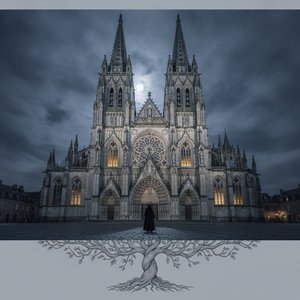
Shadows & Splendor: A Journey Through the Soul of Gothic Art and Architectural Grandeur
Embark on a profound journey through the spiritual intensity of Gothic art. Explore the architectural marvels, luminous stained glass, and sacred sculptures that define this era of grandeur and human devotion.
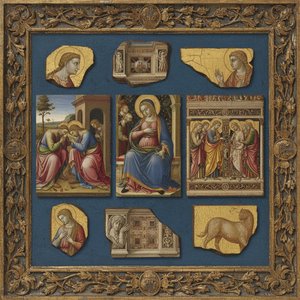
Proto-Renaissance Masters: 10 Artworks That Changed History | OriginalUniqueArt
Journey back to the dawn of Renaissance art! Explore 10 iconic Proto-Renaissance masterpieces by Giotto, Cimabue & Duccio. Discover their stories, techniques & lasting impact. Find museum-quality reproductions for your home at OriginalUniqueArt.com

乔托大师25幅杰作:文艺复兴的先驱与永恒艺术之美 | OriginalUniqueArt
探索乔托·迪·邦杜内25幅杰作,见证文艺复兴的曙光!深入了解这位意大利艺术大师的壁画、绘画技巧与永恒魅力。在OriginalUniqueArt.com发现高品质艺术复制品,为您的家居增添经典之美。
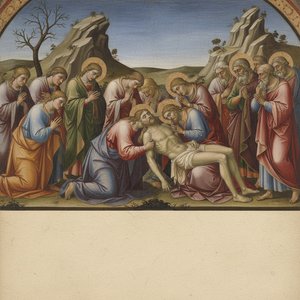
Giotto di Bondone: Revolutionizing Late Medieval Painting through Narrative Innovation
Explore the revolutionary art of Giotto di Bondone! Discover his groundbreaking techniques, iconic frescoes like those in the Arena Chapel, and lasting impact on Renaissance painting. A deep dive for art enthusiasts.

Gothic Vibes: From Dark Shadows to Bold Modern Edge | The Ultimate Trend Forecast
Explore the evolution of Gothic vibes, from historical shadows to bold modern edge. Discover how dark aesthetics, noir interiors, and contemporary subcultures are redefining modern design through a high-impact, trend-focused lens.


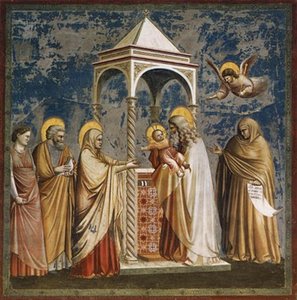


![斯克罗韦尼 - [05] - 约阿希姆之梦](/media/artworks/images-thumb/8f/67/8f67bb5da87296bd452b3f0b237b528d.jpg)


