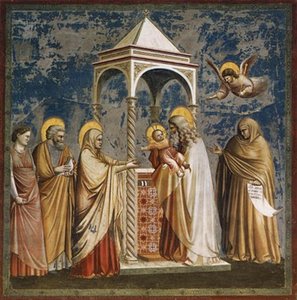
效果预览
效果预览
 购买手绘画作
 分享
分享 分享
分享
 详情
详情

 下载
下载
 相似作品
相似作品 X射线
X射线 幻灯片播放
幻灯片播放Decorative bands


 展开详情
展开详情




P118B $10

P118H $10

P118W $10

P438Z $10

P508JH $12

P508YH $12

P805H $10

P805Z $10

P919BZ $10

P919G $10

P919XJ $10

P959ZH $10

P968JZ $12

W106C $8

W218G $10

W218JH $8

W218Y $10

W307PJ $10

W316G $10

W316PJ $8

W316Y $10

W398PJ $8

W4111J $10

W500HY $15

W500JH $15

W692G $12

W849H $8

W940BG $15

W953PJ $8




从与原作比例一致的预设尺寸中进行选择。

您可以输入自定义尺寸,以适配特定的画框或空间。如果您选择的尺寸与原图比例不符,我们将对作品进行裁剪,或通过镜像填充/纯色填充边缘的方式来扩展图像。在开始制作之前,我们会向您发送一份数字效果图供您确认。
请注意,屏幕上的预览并不能反映实际的裁剪或扩展效果。只有效果图才能准确展示最终的构图。
虽然我们提供定制尺寸,但为了保持原图比例,我们建议您从预设列表中选择尺寸。


 玻璃选项仅适用于110厘米以下的尺寸。

Decorative bands
艺术微喷/版画
复制品尺寸
-


最终总价
$ 80
藏品详情
Decorative Bands
Giotto Di Bondone’s “Decorative Bands,” nestled within the Cappella Scrovegni in Padua, Italy, stands as a cornerstone of Early Renaissance art—a testament to Giotto's revolutionary vision and enduring influence. Commissioned by Enrico Scrovegni between 1303 and 1305, this fresco cycle wasn’t merely decoration; it was an act of profound spiritual penitence for the Scrovegni family, tasked with honoring God through artistic grandeur. Giotto Di Bondone, a trailblazer who decisively moved away from Byzantine conventions, accepted this challenge with unparalleled skill, reshaping the landscape of painting and establishing new standards for naturalism and emotional depth.The Historical Context
The Cappella Scrovegni’s genesis lies in the Scrovegni family's desire to expiate sins—specifically, involvement in illicit affairs and disputes over inheritance. Recognizing the transformative power of art, they entrusted Giotto with creating a monumental fresco cycle depicting scenes from the Life of Mary and Christ – an ambitious undertaking reflecting the prevailing piety of the era. This project coincided with a pivotal moment in artistic history: the gradual abandonment of Byzantine stylistic rigidity for the burgeoning naturalism championed by artists like Cimabue and subsequently embraced by Giotto himself.Artistic Significance
“Decorative Bands” is integral to Giotto’s comprehensive fresco cycle, showcasing his groundbreaking approach to perspective and spatial representation. Unlike the flattened, stylized figures characteristic of Byzantine art, Giotto imbued his figures with palpable human emotion and anatomical accuracy—a dramatic departure that signaled a fundamental shift toward realism. The painting depicts a gathering of men around a building – likely a castle or church – skillfully employing foreshortening to create an illusion of depth and space within the confines of a two-dimensional surface. Furthermore, the prominent animal figure serves as a focal point, adding dynamism to the composition and reinforcing its symbolic resonance. Giotto’s meticulous attention to detail—from drapery folds to facial expressions—elevates “Decorative Bands” beyond mere visual spectacle; it embodies the spirit of innovation that defined the Early Renaissance.Relevance and Legacy
Giotto Di Bondone's "Decorative Bands" transcends its immediate historical context, inspiring generations of artists who followed him. Michelangelo and Raphael, among others, acknowledged Giotto’s pioneering role in establishing naturalistic painting as a dominant aesthetic tradition. The Cappella Scrovegni itself remains a pilgrimage site for art historians and enthusiasts alike—a tangible embodiment of Giotto's artistic genius and the transformative power of faith to inspire creative expression. For those seeking to immerse themselves in the splendor of Renaissance masterpieces, exploring reproductions of “Decorative Bands” offers a captivating journey back in time—a celebration of artistry and spiritual contemplation.- Key Points:
- Commissioned by Enrico Scrovegni between 1303 and 1305.
- Located in Cappella Scrovegni, Padua, Italy.
- Part of Giotto's fresco cycle depicting the lives of Mary and Christ.
- Features naturalistic proportions and expressions, marking a departure from Byzantine art.
Conclusion
“Decorative Bands” by Giotto Di Bondone stands as an indelible emblem of Early Renaissance artistic achievement—a profound reflection of its spiritual convictions and enduring aesthetic legacy. Its influence on subsequent artists underscores its significance within the annals of art history, inviting contemplation and appreciation for a timeless masterpiece. For those eager to delve deeper into the world of Renaissance artistry, reproductions of “Decorative Bands” provide an invaluable portal to understanding one of the era’s most transformative visions.艺术家简介
佛罗伦斯的牧羊男孩:乔托的革命性视野
大约在1267年,乔托·迪·邦多内诞生于佛罗伦斯附近连绵起伏的山丘之中。他从卑微的身世崛起,成为了中世纪艺术惯例向文艺复兴过渡中最关键的人物之一。他的早期生活充满了传奇色彩——一个牧羊男孩在岩石上描绘出栩栩如生的羊群,引起了佛罗伦萨大师西马布威的注意。无论这是否是事实或民间传说,这个故事都浓缩了乔托的天赋精髓:一种天生能够以前所未有的真实感和情感深度捕捉自然世界的才能。作为西马布威的学徒,乔托很快超越了他的老师,吸收了技术技能,但开辟了一条截然不同的道路。当时占据主导地位的拜占庭风格偏爱程式化的形象、扁平透视和华丽的金背景——这些是精神超脱的象征,而不是对世俗现实的描绘。然而,乔托渴望将人性描绘成并非空灵的偶像,而是充满情感、存在于有形空间中的个体。
挣脱拜占庭的束缚:一种新的自然主义
乔托的艺术革命不是一次突发的变革,而是一个逐渐演变的过程。他早期的作品已经暗示了即将到来的转变,展示了一种对体积、重量和可信解剖结构的日益重视。他开始观察光与影,不仅仅将其视为装饰性元素,而是作为塑造形式和创造深度的工具。这种新兴的自然主义在他在阿西西上教堂圣弗朗西斯大殿的壁画中所做的贡献中显而易见——尽管作者身份仍存在争议,但许多学者认为乔托的手笔出现在那些明显偏离了盛行拜占庭美学的场景中。他并非简单地拒绝传统;他是在建立在传统的基础上,将新的人性与情感共鸣注入到既定的形式中。他理解叙事的强大力量,创作出讲述故事的构图,而不仅仅是通过僵化的象征主义,而是通过富有表现力的姿态、可信的互动和精心构建的环境。
斯克罗韦尼礼拜堂:叙事杰作
乔托的杰作,也是西方艺术史上最重要的作品之一,是装饰帕多瓦斯克罗韦尼礼拜堂(也被称为竞技场礼拜堂)的壁画循环。这项约在1305年完成的系列作品以革命性的真实感和情感强度描绘了基督和圣母玛利亚的一生。每个场景都像一个精心策划的戏剧展开,其中的人物并非宗教原型,而是体验着喜悦、悲伤、恐惧和希望的完全实现的人类个体。主导整个墙壁的《末日审判》是乔托在传达神圣威严和人类面对最终清算的原始脆弱性方面的技能的有力证明。透视的使用,尽管没有达到后来文艺复兴时期精确的标准,却创造了一种令人信服的深度幻觉,将观众带入叙事之中。人物扎根于大地,他们的身体具有重量和体积,而他们的表情传达了前所未见的各种情感。
超越壁画:建筑与持久的影响
乔托的才华不仅限于绘画;他也是一位受人尊敬的建筑师。1334年,他被委托设计佛罗伦萨大教堂的钟楼——一个展示了他对建筑形式创新方法的项目的基石。尽管他在竣工前去世了,但他的设计为这座标志性的佛罗伦萨地标奠定了基础。他对后世艺术家的影响是不可估量的。他弥合了中世纪和文艺复兴世界之间的鸿沟,为像马萨乔、列奥纳多·达·芬奇和米开朗基罗这样的大师铺平了道路。正如瓦萨里在具有里程碑意义的《艺术家传记》中所说的那样,乔托“赋予了绘画从生活中进行创作的伟大艺术”,证明了他对西方艺术进程产生的深刻影响。乔托并非仅仅描绘世界;他试图理解它,捕捉它的本质,并通过视觉叙事的强大力量来传达这种理解。
主要成就与持久的影响
- 革命性的绘画:从拜占庭风格转向自然主义和情感现实主义。
- 透视的先驱:引入技术以在绘画中创造深度和空间意识。
- 卓越的叙事技巧:通过壁画循环(如斯克罗韦尼礼拜堂)创作引人入胜的叙事。
- 建筑贡献:设计了佛罗伦萨大教堂的钟楼,展示了建筑技能。
- 文艺复兴艺术的基础: 他的作品为文艺复兴时期的艺术成就奠定了基础。

乔托
1267 - 1337 , 意大利
艺术家简介
- Artistic Movement Or Style: 前文艺复兴
- Artists Or Movements Influenced By This Artist:
- 马萨乔
- 文艺复兴艺术
- Artists Who Influenced This Artist: ['西马布']
- Date Of Birth: 约1267年
- Date Of Death: 1337年
- Full Name: 焦托·迪·本多纳
- Nationality: 意大利人
- Notable Artworks:
- 斯克罗维尼礼拜堂壁画
- 奥格尼桑蒂圣母图
- Place Of Birth: 佛罗伦萨, 意大利
相关文章
乔托大师25幅杰作:文艺复兴的先驱与永恒艺术之美 | OriginalUniqueArt
探索乔托·迪·邦杜内25幅杰作,见证文艺复兴的曙光!深入了解这位意大利艺术大师的壁画、绘画技巧与永恒魅力。在OriginalUniqueArt.com发现高品质艺术复制品,为您的家居增添经典之美。

The Fresco as Family Legacy: Preserving Heritage Through Wall Art
Explore the rich history & enduring legacy of fresco painting. Discover how to preserve family heritage through stunning wall art. Expert insights & restoration guidance.

The Enduring Legacy of Fresco: Technique, History & Artistic Expression Across Cultures
Explore the rich history & enduring legacy of fresco painting! Discover ancient techniques, Giotto's masterpieces, and modern applications. Expert insights for art lovers & professionals.
The Enduring Legacy of Fresco Painting: Techniques, History & Contemporary Relevance
Explore the rich history & enduring artistry of fresco painting – from Giotto to Michelangelo! Discover techniques, conservation efforts, & modern applications. Learn how OriginalUniqueArt brings this timeless art form to your home.

The Enduring Legacy of Fresco: Technique, History & Artistic Expression
Explore the rich history & enduring artistry of fresco painting. Discover techniques from Giotto to Michelangelo, conservation efforts, & modern applications. Learn how OriginalUniqueArt brings this timeless art form to your home.