效果预览
效果预览
 购买印刷品
购买印刷品 分享
分享 分享
分享
 详情
详情

 下载
下载
 相似作品
相似作品 X射线
X射线 幻灯片播放
幻灯片播放Arab horse


 展开详情
展开详情




P118B $10

P118H $10

P118W $10

P438Z $10

P508JH $12

P508YH $12

P805H $10

P805Z $10

P919BZ $10

P919G $10

P919XJ $10

P959ZH $10

P968JZ $12

W106C $8

W218G $10

W218JH $8

W218Y $10

W307PJ $10

W316G $10

W316PJ $8

W316Y $10

W398PJ $8

W4111J $10

W500HY $15

W500JH $15

W692G $12

W849H $8

W940BG $15

W953PJ $8




从与原作比例一致的预设尺寸中进行选择。

您可以输入自定义尺寸,以适配特定的画框或空间。如果所选尺寸与原图比例不符,我们将通过裁剪作品或添加手绘元素来扩展画面。数字样稿将在制作开始前发送给您确认。
请注意,屏幕预览无法准确反映实际的裁剪或扩展效果,只有样稿才能真实呈现最终的构图。
虽然我们提供定制尺寸服务,但为了保留原作比例,建议您从预设列表中选择尺寸。
下单后,OriginalUniqueArt.com 团队将通过电子邮件联系客户获取具体要求,并提供效果预览图。


 玻璃选项仅适用于110厘米以下的尺寸。

Arab horse
复制材质
复制品尺寸
-


最终总价
$ 300
作品详情
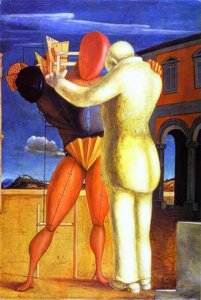
A Dreamscape of Motion: De Chirico’s ‘Arab Horse’
Giorgio de Chirico's 'Arab Horse,' painted in 1935, is more than just a depiction of a man and his steed; it’s a meticulously constructed fragment of the subconscious, a quintessential example of the artist’s mature Neo-Baroque style. This captivating work immediately draws the viewer into a world where reality subtly fractures, inviting contemplation on themes of isolation, temporal distortion, and the unsettling beauty of the irrational. The painting's power resides in its ability to evoke a profound sense of unease, a feeling that something is profoundly *wrong* – yet undeniably compelling.
Neo-Baroque and the Echoes of Antiquity
Created during a period of intense artistic experimentation, ‘Arab Horse’ exemplifies de Chirico's embrace of Neo-Baroque. This movement sought to revive the grandeur and dramatic intensity of Baroque art while simultaneously rejecting its overtly religious subject matter. De Chirico was deeply influenced by classical antiquity – particularly Roman ruins – which he frequently incorporated into his work, creating a jarring juxtaposition between the timelessness of the past and the anxieties of the modern world. The composition itself echoes Renaissance ideals of perspective and dynamism, yet it’s imbued with a distinctly unsettling atmosphere, characteristic of de Chirico's unique vision.
Symbolism and the Fragmented Psyche
The painting is rich in symbolic detail. The central figure, riding an Arab horse – a symbol of power, nobility, and even danger – is rendered with a detached, almost clinical precision. His raised arms suggest both exhilaration and vulnerability. The clock on the wall behind him introduces a crucial element: time itself becomes distorted, adding to the painting’s sense of disorientation. The presence of the birds, often associated with freedom and prophecy, further complicates the narrative. These seemingly disparate elements coalesce into a fragmented portrait of the human psyche, reflecting de Chirico's fascination with the subconscious and his exploration of existential anxieties.
Technique and Atmospheric Depth
De Chirico’s technique is characterized by meticulous detail combined with an almost dreamlike quality. He employs a rich palette of earthy tones – browns, ochres, and muted greens – to create a sense of atmospheric depth and solidity. The sharp contrasts between light and shadow heighten the drama and contribute to the painting's unsettling effect. Noticeable brushwork adds texture to the horse’s musculature and the man’s clothing, grounding the fantastical elements in a tangible reality. This careful attention to detail is crucial to the work's overall impact, reinforcing its sense of both familiarity and strangeness.
Collecting the Vision
A hand-painted reproduction of ‘Arab Horse’ offers an unparalleled opportunity to bring this iconic artwork into your home or office. OriginalUniqueArt specializes in meticulously crafted reproductions that capture not only the visual details but also the emotional depth and intellectual complexity of de Chirico's masterpiece. This piece is a powerful addition to any collection, offering a window into the mind of one of 20th-century’s most enigmatic artists.
艺术家简介
乔治奥·德·奇里科:梦境的建筑师
在希腊的沃洛斯(Volos)降生的乔治奥·德·奇里科(Giorgio de Chirico,1888-1978),是一位意大利画家、雕塑家和作家,他以其独特的“形而上绘画”(Metaphysical painting)风格而闻名于世。他的艺术生涯并非一帆风顺,而是充满了对传统技法的探索与对现代社会异化感的深刻反思。早年在雅典理工学院接受教育,为他日后的艺术创作奠定了基础。然而,真正点燃他创造力火花的是在慕尼黑的求学经历。在那里,他接触到了阿诺德·博克林(Arnold Böcklin)和马克斯·克林格(Max Klinger)的作品,这些艺术家以其象征性的景观和令人不安的意象深深地吸引了他。与此同时,弗里德里希·尼采(Friedrich Nietzsche)、阿图尔·叔本华(Arthur Schopenhauer)等哲学家的思想也对他的艺术创作产生了深远的影响,这些思想探讨了存在主义、人类欲望的不理性以及主观现实的本质。这些元素共同构成了奇里科绘画的核心——一种试图揭示日常生活中隐藏的真实,展现熟悉空间中潜藏的令人不安诗意的风格。形而上绘画的诞生与发展
1909年左右,奇里科开始探索一种独特的艺术风格,他将其命名为“形而上绘画”。这并非仅仅是一种风格上的创新,更是一次深刻的尝试,旨在捕捉表象之下的隐藏现实,揭示潜藏于日常空间中的不安感。一次前往佛罗伦萨的旅行以及在圣十字广场(Piazza Santa Croce)的经历成为了一个转折点,激发了他创作一系列标志性的“形而上城镇广场”作品。这些画作以其怪异的静谧、长长的戏剧性阴影、不合逻辑的透视以及古典建筑与无面人偶、高耸雕像等令人不安元素并置为特征。这种效果极具震撼力,唤起了一种怀旧、孤立和难以承受的失落感。奇里科创立了形而上绘画学校(Scuola Metafisica),对超现实主义产生了深远的影响,尽管他后来也与超现实主义的一些解读方式保持距离。他的画作并非梦境的简单描绘,而是试图展现一个超越可见世界的领域——一个时间和空间流动、意识和潜意识边界模糊的领域。《思想家的苦恼》(The Vexations of the Thinker)、《秋日下午之谜》(The Enigma of an Autumn Afternoon)以及《爱的歌》(The Song of Love)等作品,完美地体现了这种令人着迷的美学,邀请观者沉思存在的奥秘和人类感知的脆弱性。风格转变与持久的遗产
一战后,奇里科的艺术之路发生了一个意想不到的转折。他放弃了早期的形而上绘画风格,转而拥抱一种更为传统的古典主义或新巴洛克风格。这种转变受到了广泛批评;许多评论家认为这是质量下降的表现,指责他抛弃了定义其早期作品的创新精神。然而,奇里科始终坚持自己的艺术选择,重温过去的题材,但以不同的美学视角呈现它们。尽管饱受批评,他的影响力和后世艺术家是不可估量的。他对空间、透视和象征主义的创新运用挑战了传统的艺术规范,为新的表达形式开辟了道路。影响与艺术传承
奇里科的作品是19世纪末的象征主义运动与20世纪初超现实主义兴起的关键桥梁。他深受阿诺德·博克林和马克斯·克林格的影响,他们的富有表现力的意象与他对神话和潜意识的迷恋产生了共鸣。尼采和叔本华等哲学家的思想为他提供了一个框架,以探索存在焦虑、异化以及在看似毫无意义的世界中寻找意义的主题。然而,奇里科的影响远不止于超现实主义。勒内·马格利特(René Magritte)和萨尔瓦多·达利(Salvador Dalí)等艺术家深受他的形而上绘画的启发,借鉴了他的并置、不合逻辑透视和象征性意象来创造他们自己的梦幻世界。他的作品也影响了后来的魔幻现实主义运动,该运动旨在以一种增强的神秘感和心理深度来描绘日常现实。如今,奇里科的画作在世界各地的主要博物馆中展出,包括罗马西班牙广场附近的专门为他设立的博物馆,确保了他作为20世纪最重要的艺术家之一的遗产得以延续。他留下的不仅仅是一系列艺术作品,更是一种新的视角——一种看待世界的方式,将它视为一个充满隐藏含义、令人不安的美丽和持久神秘的地方。关键影响与艺术传承
- 受到影响:阿诺德·博克林(Arnold Böcklin)、马克斯·克林格(Max Klinger)、弗里德里希·尼采(Friedrich Nietzsche)、阿图尔·叔本华(Arthur Schopenhauer)。
- 影响:超现实主义,特别是勒内·马格利特(René Magritte)和萨尔瓦多·达利(Salvador Dalí)。他的作品也影响了后来的魔幻现实主义。

乔治·德·基里科
1888 - 1978 , 希腊
艺术家简介
- 全名: 乔治奥·德·奇里科
- 出生地点: 希腊沃洛斯
- 出生日期: 1888年7月10日
- 受影响的艺术家或运动:
- 勒内·马格利特
- 萨尔瓦多·达利
- 国籍: 意大利
- 影响艺术家:
- 阿诺德·博克林
- 马克斯·克linger
- 弗里德里希·尼采
- 艺术运动或风格: 超现实主义,形而上绘画
- 著名作品:
- 思想家的苦恼
- 秋日下午之谜
- 爱的旋律
相关文章

Demandes Commerciales
APS ofrece reproducciones de bellas artes y encargos personalizados desde 2004. Confían en nosotros corporaciones, hoteles y coleccionistas selectos para obras de arte de calidad museística, servicio discreto y soluciones artísticas completas. ¡Póngase en contacto con nosotros para obtener un presupuesto personalizado!

戈雅大师25幅杰作:西班牙灵魂的艺术之旅| OriginalUniqueArt
探索戈雅大师的25幅杰作!深入了解西班牙绘画巨匠Francisco Goya的艺术世界,从洛可可到浪漫主义风格,感受黑加仑时代的情感力量。OriginalUniqueArt.com提供高品质油画复制品和家居装饰灵感。立即在线发现所有名画!
高檔藝術品複製技術:Giclée微噴的檔案品質與鑑賞細節
深入了解Giclée微噴技術:檔案品質、色彩還原的專業解析。探索高檔藝術品複製的細節與保存技巧,為您的收藏提供博物館級別的選擇。專家指導,確保完美呈現原作神韻。

A riguardo di noi
Découvrez notre histoire ! Nous apportons l'art de classe mondiale dans votre vie grâce à une sélection experte, des créations personnalisées et des aperçus gratuits. Approuvé par les particuliers et les entreprises depuis 2000.
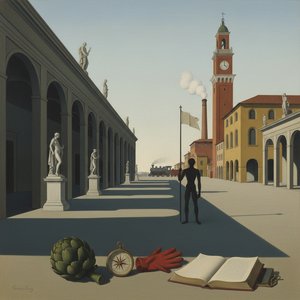
Giorgio de Chirico: Metaphysical Realities & the Poetics of Absence
Explore the captivating world of Giorgio de Chirico and his groundbreaking Metaphysical painting movement. Discover the philosophical depths & surreal imagery that influenced generations of artists. Learn more at OriginalUniqueArt.