
 实景预览
实景预览
 发送
发送 分享
分享
 详情
详情 指南
指南

 下载图片
下载图片
 相似作品
相似作品 X射线
X射线 幻灯片播放
幻灯片播放 统计数据
统计数据Waltz


 阅读全文
阅读全文
艺术微喷/版画
博物馆级艺术微喷或帆布版画,制作高效,并提供多种饰面选择。 ( 订购此收藏品的纯手工复刻画作 切换至数字图像销售渠道)




P118B ¥10

P118H ¥10

P118W ¥10

P438Z ¥10

P508JH ¥12

P508YH ¥12

P805H ¥10

P805Z ¥10

P919BZ ¥10

P919G ¥10

P919XJ ¥10

P959ZH ¥10

P968JZ ¥12

W106C ¥8

W218G ¥10

W218JH ¥8

W218Y ¥10

W307PJ ¥10

W316G ¥10

W316PJ ¥8

W316Y ¥10

W398PJ ¥8

W4111J ¥10

W500HY ¥15

W500JH ¥15

W692G ¥12

W849H ¥8

W940BG ¥15

W953PJ ¥8




您可以从与原作比例一致的预设尺寸中进行选择。

请输入您所需的宽度和高度,以适配您的画框或墙面。由于印刷品只能进行裁剪,无法超出原图尺寸,因此若比例不一致,画面的一部分将会被裁切。在正式印刷之前,我们会为您发送一份数字效果图供您确认。本页面显示的图片并非最终裁剪后的效果——只有效果图才能展示真实的裁剪情况。


 玻璃选项仅适用于110厘米以下的尺寸。

Waltz
艺术微喷/版画
复刻品尺寸说明
-


总计金额
¥ 537
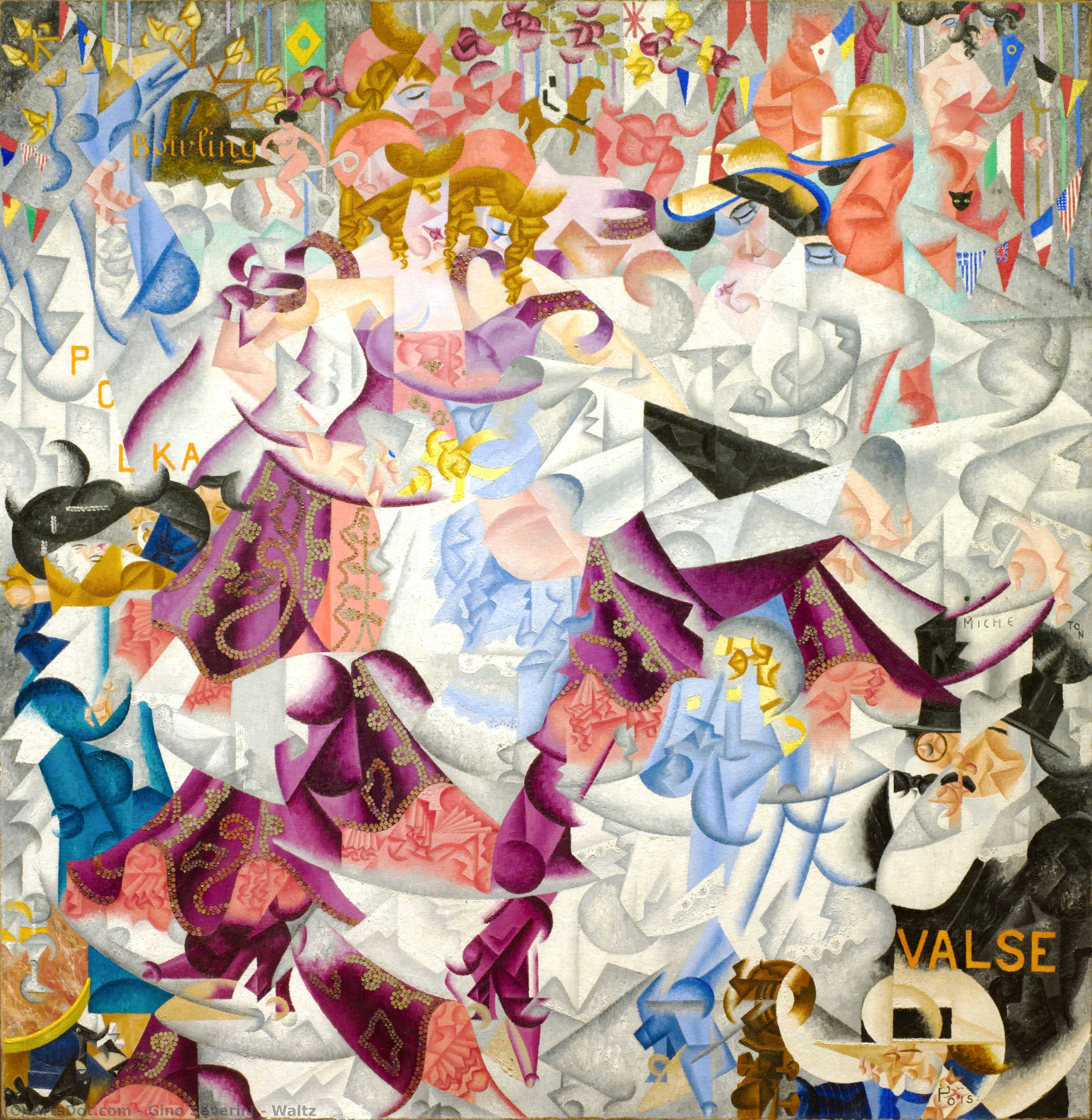
The Whirlwind Energy of Modern Life
To gaze upon Gino Severini’s "Waltz" is not merely to observe a dance; it is to be swept into its very current. This painting captures the exhilarating, almost breathless energy of a Parisian nightclub in the early 20th century. The scene pulses with life—a dizzying confluence of bodies caught in the rhythmic embrace of the waltz. Severini has masterfully translated the ephemeral nature of movement into solid pigment, creating a visual symphony where every swirling form contributes to an overwhelming sense of joyous abandon. It speaks directly to the modern experience: vibrant, chaotic, and utterly captivating.
Embracing the Futurist Spirit
This work stands as a quintessential artifact of the Futurist movement, an avant-garde explosion born from Italy’s desire to shed the weight of tradition and leap headfirst into the roaring promise of the machine age. The Futurists were revolutionaries in every sense—artistic, cultural, and even political. They worshipped speed, technology, and the raw dynamism of contemporary urban existence. In "Waltz," this philosophy manifests not through depictions of engines or skyscrapers, but through the very structure of the dance itself. The composition fragments, angles collide, and perspectives overlap, mirroring the sensory overload of a modern metropolis where multiple realities intersect at once.
Technique and Visual Alchemy
Severini’s technique here is nothing short of electrifying. He employs a vibrant, almost feverish palette—deep purples mingle with electric blues, punctuated by flashes of fiery red and acidic yellow. These colors do not simply decorate the figures; they seem to emanate from the very motion, suggesting light refracting off silk gowns and sweat under the club's glow. The brushwork itself is energetic, visible, and purposeful, lending a palpable texture to the air around the dancers. It is a masterful exercise in capturing kinetic energy, making the viewer feel the centrifugal force pulling them into the heart of the dance floor.
Symbolism of Motion and Modernity
Beyond the spectacle of the waltz, "Waltz" carries deeper symbolic weight. The dance itself represents humanity’s attempt to find order and connection amidst the accelerating pace of industrial modernity. Yet, this apparent structure is always on the verge of dissolution—a beautiful tension that defines the early 20th century spirit. For collectors and designers alike, owning this piece means acquiring a conversation starter; it suggests an appreciation for art that refuses stillness, embracing instead the glorious, messy momentum of life itself.
Bringing the Nightlife Home
For those seeking to infuse a space with intellectual vigor and undeniable drama, a reproduction of "Waltz" offers unparalleled depth. It functions as more than mere decoration; it is an emotional anchor, suggesting stories of glamour, rebellion, and unstoppable vitality. Whether placed in a grand hall or a richly decorated lounge, this artwork commands attention, inviting every passerby to slow down, look closer, and feel the irresistible urge to join the dance.
问答详情
"Waltz" 有艺术版画出售吗?
您可以在吉诺·塞维里尼 (Jí Nuó Sāi Wéi Lì Ní) 的《Waltz》的艺术版画页面直接订购其版画:采用棉质帆布或档案级画布纸制作的艺术版画。
“Waltz”在艺术史上处于怎样的地位?
从历史上看,"Waltz" 是广义上 Modern 时期的 Futurism 时期作品。
是否有关于 吉诺·塞维里尼 (Jí Nuó Sāi Wéi Lì Ní) 的《Waltz》 的指南?
针对 吉诺·塞维里尼 (Jí Nuó Sāi Wéi Lì Ní) 的《Waltz》,我们提供了一个 指南 页面:这是一份可打印的艺术品资料页,专为学生及课堂教学使用而设计。
艺术家简介
早年生活与艺术叛逆的萌芽
吉诺·塞维里尼于1883年4月7日出生在意大利托斯卡纳风景如画的小镇科尔托纳。他的出身并不显赫,父亲是一名初级法院官员,母亲是一位裁缝——这种背景既赋予了他对形式的敏感性,也让他意识到了社会结构的存在。正规教育并不适合塞维里尼不安分的灵魂。十五岁时,他因涉嫌偷窃考试试卷而被学校开除,与同学一同被逐出校园。然而,这次开除并非阻碍,而是一个催化剂,使他能够独立追求日益增长的艺术倾向,同时在一家航运公司担任职员。1899年移居罗马标志着一个转折点;在那里,在古老的废墟和充满活力的街头生活中,他开始接受正规的艺术课程,很快就被表现主义(Divisionism)所吸引——这种技术由贾科莫·巴拉和翁贝托·波乔尼等艺术家倡导,他们很快成为塞维里尼艺术旅程中的关键人物。这些早期的岁月为塞维里尼最终拥抱未来主义奠定了基础,激发了他捕捉现代生活动力的渴望。拥抱未来主义的速度
受邀加入菲利波·托马索·马里内蒂和翁贝托·波乔尼蓬勃发展的未来主义运动对塞维里尼来说是变革性的。他于1910年成为《未来主义画家宣言》的签署者,将自己与一种革命意识形态结合起来,这种意识形态颂扬速度、技术以及现代化的迷人活力。这不仅仅是一种艺术选择;它是一种打破传统并为快速变化的世界锻造新的美学语言的哲学承诺。塞维里尼在国际上传播未来主义思想方面发挥了关键作用,尤其是在1912年在巴黎Galerie Bernheim-Jeune组织了意大利以外的首个未来主义展览。他这一时期的作品,例如《南北》(North-South)(1915),体现了未来主义对通过碎片化形式和充满活力、近乎爆炸性的调色板捕捉运动和能量的痴迷。与一些专注于机器的同事不同,塞维里尼经常将城市场景和舞者作为主题,反映了他描绘现代生活节奏和感觉的魅力——旋转的裙子、闪烁的灯光、脉动的拥挤人群。风格综合:立体主义及超越
塞维里尼的艺术风格从未被僵化的教条所束缚;它是一种不断演变的各种影响力的综合体。虽然深深扎根于未来主义美学之中,但他的作品也表现出对立体主义的深刻参与,尤其是在1911年他具有里程碑意义的巴黎之旅之后。他吸收了几何抽象和碎片化视角的元素,将它们融入到他的构图中,创造出一种传达同时性和运动感的动态排列。翁贝托·波乔尼、卡洛·卡拉和乔瓦尼·弗朗切斯科·罗马内利等艺术家对他产生了重大影响,但塞维里尼独特的愿景使他能够开辟自己的道路。《华尔兹》(Waltz)就是一个很好的例子,展示了这种对风格的精湛融合——通过立体主义镜头呈现舞蹈的旋转能量,从而创作出一幅既混乱又和谐的作品。一战后,塞维里尼的艺术方向发生了转变,反映了整个欧洲普遍存在的“回归秩序”趋势。他探索古典主题和形式,但仍然保留了他独特的色彩和构图运用能力,证明了他能够在不放弃其核心美学原则的情况下适应和发展。晚年与持久遗产
一战后的岁月里,塞维里尼继续尝试各种艺术媒介,包括马赛克和壁画,扩展了他的创作视野超越画布。他将时间分在巴黎和罗马之间,创作的作品既反映了他意大利的传统,又体现了他对巴黎文化的沉浸。除了绘画之外,他还成为一位多产的艺术理论作家,为现代主义思想贡献了重要力量。吉诺·塞维里尼于1966年2月26日在巴黎去世,享年83岁,留下了一部丰富而多方面的作品集。他作为未来主义运动关键人物以及二十世纪意大利艺术的重要贡献者的遗产得以延续。今天,他的画作被世界各地著名的博物馆收藏,包括威尼斯现代艺术市政厅(Galleria Civica di Arte Moderna),证明了他对现代艺术发展产生的持久影响,并继续激励着一代又一代艺术家和观众。他仍然是过去与现在的关键纽带,提醒我们艺术捕捉人类经验的能量和复杂性的力量。
吉诺·塞维里尼 (Jí Nuó Sāi Wéi Lì Ní)
1883 - 1966 , 意大利
快速概览
- Artistic Movement Or Style: 未来主义、立体主义
- Artists Or Movements Influenced By This Artist: ['马里诺·帕伦蒂']
- Artists Who Influenced This Artist:
- 贾科莫·巴拉
- 翁贝托·波乔尼
- Date Of Birth: 1883年4月7日
- Date Of Death: 1966年2月26日
- Full Name: 吉诺·塞维里尼
- Nationality: 意大利国籍
- Notable Artworks (List Of Titles): ['《南北》、《华尔兹》、《自画像》']
- Place Of Birth (City And Country): 意大利科尔托纳
相关文章
Deconstructing Reality: Cubo-Futurism's Aesthetic Revolution & Historical Context
Explore the revolutionary world of Cubo-Futurism! Discover its origins, key artists like Malevich & Rozanova, and lasting impact on 20th-century art. Expert analysis for collectors.
David Burliuk: A Pioneer of Russian Avant-Garde & His Enduring Legacy
Explore the revolutionary art of David Burliuk, a key figure in Russian Avant-Garde & Cubo-Futurism. Discover his impact on painting, poetry, and design with OriginalUniqueArt.
Speed, Power, and Motion: A Journey Through the Energetic Soul of Futurism
Explore the exhilarating energy of Futurism. From Italian dynamism to Russian Cubo-Futurism, journey through a masterclass in speed, power, and motion in art history with our expert cultural reflections.

Cubo-Futurism: The Sophisticated Intersection of Geometric Precision and Kinetic Energy in Modern Art
Explore the profound synergy of Cubo-Futurism, where geometric precision meets dynamic motion. Discover an expert analysis of this avant-garde movement, its historical impact on modern abstraction, and how to curate these powerful, kinetic masterpieces for your private collection.
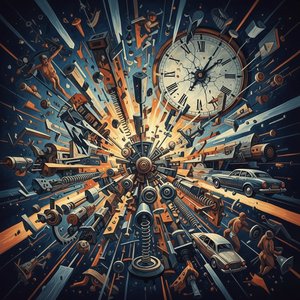
Dynamism & Disruption: The Enduring Legacy of Futurism
Explore the revolutionary world of Futurism! Discover its key artists like Boccioni & Balla, defining principles, and lasting impact on modern art. A deep dive into this influential movement.