Baroque Landscape
Landscape (吉利斯·凡·科宁克罗)
吉利斯·凡·科宁克罗 (1544–1607) 创作了《Landscape》。 它属于 Baroque Landscape 运动。 由 Oil On Copper 创作。 现藏于马德里, 西班牙的普拉多博物馆。 尺寸为 24 × 19 cm。
- Oil On Copper
- 24 × 19 cm
- 普拉多博物馆, 马德里

 实景预览

 手工油画复制品
 分享
 分享
 详情页


 下载作品
 相似作品
 X射线
 幻灯片播放
 问答

 统计数据
Landscape简介
- 标题
- Landscape
- 艺术家
- 吉利斯·凡·科宁克罗 (1544–1607)
- 艺术家出生于
- 安特卫普, 比利時
- 媒介
- Oil On Copper
- 尺寸
- 24 × 19 cm
- 观赏地点
- 普拉多博物馆, 马德里, 西班牙
- 主题
- landscape, flemish style, baroque art, forest scene, castle architecture, atmospheric perspective
Landscape 描绘了什么内容?
A Flemish Master’s Woodland Reverie: Gillis van Coninxloo's “Landscape”
Gillis van Coninxloo’s “Landscape,” a captivating oil on copper panel, transports the viewer to a realm of serene contemplation within a meticulously rendered Flemish forest. Painted around 1598, this work stands as a pivotal example of the artist’s mastery in capturing the atmospheric depth and intricate detail characteristic of the early 16th-century Golden Age. More than just a depiction of nature, it's an invitation to lose oneself within a carefully constructed world of light, shadow, and subtle symbolism – a testament to van Coninxloo’s profound understanding of both landscape painting and the human experience.
The scene unfolds before us with remarkable realism. A dense thicket of trees dominates the foreground, their leaves rendered with an almost obsessive attention to detail; each vein, each curl of bark, is painstakingly observed and faithfully reproduced. These trees aren’t merely static elements; they create a palpable sense of depth, drawing the eye into the heart of the forest. Beyond them, a modest collection of buildings – likely farmhouses or small dwellings – nestles amongst the foliage, suggesting a quiet rural existence. The architecture is understated yet solid, reflecting a pragmatic approach to building within this natural setting. In the distance, a formidable castle rises above the horizon, its imposing silhouette anchoring the composition and hinting at notions of power, protection, and perhaps even isolation.
The Alchemy of Light and Shadow: Technique and Style
Van Coninxloo’s technical skill is immediately apparent in his masterful use of oil on copper. This medium allowed for a remarkable level of detail and luminosity – the surface retains a subtle sheen that enhances the richness of the colors and creates an almost three-dimensional effect. The artist employs a technique known as “chiaroscuro,” skillfully manipulating light and shadow to sculpt the forms and create a dramatic sense of depth. Notice how the sunlight filters through the trees, dappling the ground in pools of brightness while simultaneously casting deep shadows beneath the foliage. This interplay of light and dark isn’t merely decorative; it imbues the scene with a palpable atmosphere – a feeling of both tranquility and mystery.
Stylistically, “Landscape” aligns itself with the Flemish tradition of landscape painting, yet van Coninxloo departs from some of the more rigid conventions of the time. While influenced by the Northern Mannerist style—characterized by its emphasis on detail and symbolic imagery—he introduces a greater sense of naturalism and emotional resonance. The composition is carefully balanced, creating a harmonious whole that invites contemplation. The muted color palette – dominated by greens, browns, and grays – contributes to the overall feeling of serenity and timelessness.
A Window into 16th-Century Life and Belief
To fully appreciate “Landscape,” it’s important to consider its historical context. Painted during a period of religious upheaval and political instability in the Netherlands, this work reflects both the anxieties and the enduring values of the era. The castle, for instance, can be interpreted as a symbol of authority – whether representing secular power or divine protection. The humble dwellings nestled within the forest suggest a connection to the land and a reverence for rural life. Furthermore, the dense woodland itself has long been associated with themes of solitude, introspection, and the spiritual realm.
Interestingly, this painting was originally housed in the Museo del Prado in Madrid, Spain, a testament to its enduring appeal across national boundaries. The artist’s biography reveals a fascinating journey – from Antwerp to Germany and eventually Amsterdam—reflecting the shifting political landscape of the time. His work served as a bridge between artistic styles, incorporating elements of Mannerism while embracing the burgeoning realism of the Dutch Golden Age.
A Timeless Masterpiece: Reproduction and Inspiration
Reproductions of “Landscape” capture only a fraction of its original impact. The subtle nuances of light, texture, and atmosphere are difficult to replicate fully, but OriginalUniqueArt’s hand-painted reproductions strive to honor the artist's vision with remarkable fidelity. This piece offers an exceptional opportunity for interior designers seeking to evoke a sense of tranquility and connection to nature – imagine it adorning a study or a living room, providing a focal point that invites contemplation. Collectors will find “Landscape” to be a valuable addition to any art collection, representing a significant moment in the history of Flemish landscape painting.
For further exploration, we encourage you to visit the linked resources:
哪家博物馆收藏有 Landscape?
普拉多博物馆
马德里, 西班牙
普拉多博物馆的历史 普拉多博物馆的起源与西班牙王室收藏紧密相连,其历史可以追溯到18世纪。最初,在斐迪南七世的构想下,这里只是一个关于自然历史的陈列室,但随着时间的流逝,它逐渐演变成一座专门供绘画与雕塑栖息的神圣殿堂。这一转变将一项科学探索升华为存放西班牙王室最珍贵瑰宝的宝库。1819年,该机构正式作为绘画与雕塑博物馆成立,其设立的初衷便是为了向世人展示属于西班牙王室的艺术杰作。 1868年,随着机构的国有化,它正式更名为普拉多博物馆。坐落于西班牙马德里市中心,它至今仍是西班牙最重要的国家级艺术博物馆。通过历次的扩建,馆藏规模不断壮大,其中拉斐尔·莫内奥(Rafael Moneo)的重要扩建工程为临时展览和游客接待增添了全新的空间。这座建筑本身就像是一艘承载历史的巨轮,其对称的外立面与宏伟的内部空间,无不映射出塑造了其生命力的王室赞助与文化底蕴。 《布雷达的胜利》,1634年 - 迭戈·委拉斯开兹 《死亡的胜利》,1562年 - 彼得·勃鲁盖尔 《受胎告知》,1430年 - 安杰利科修士 《三联画:三王来朝》,1510年 - 希罗尼穆斯·波希 《受难》,1594年 - 埃尔·格列柯 维拉纽埃瓦建筑的建筑美学 这座建筑的构想始于1785年,最初旨在为自然历史珍宝馆提供居所。在建筑师胡安·德·维拉纽埃瓦(Juan de Villanueva)的匠心设计下,整座建筑完美体现了启蒙运动时期的清晰感与秩序感。其新古典主义风格的大厅在建造之初便经过精心考量,旨在将自然光引入展厅,使光影能够深邃地渗透进建筑的内部空间。这种对光线的刻意运用,在厚重的石墙之间营造出一种通透而开阔的艺术意境。 随着馆藏规模的不断壮大,建筑也经历了多次扩建。拉斐尔·莫内奥(Rafael Moneo)曾主持了重要的扩建工程,为临时展览和游客接待增设了全新的空间。这些扩建工程使博物馆能够在满足日益增长的收藏需求的同时,依然保持原有设计的完整性与神圣感。建筑立面的对称美感与内部空间的宏伟气势交相辉映,无声地诉说着塑造了这座艺术殿堂存在的皇室赞助史。西班牙巴洛克收藏 普拉多博物馆的展厅内珍藏着最为卓越的西班牙艺术,这是一座让心理深度在西班牙巴洛克艺术中变得触手可及的宝库。这些藏品包含了该时代最具分量的杰作,呈现出一场关于光影的永恒对话。在这些空间里,迭戈·委拉斯开兹的作品占据着核心地位,他通过对感知力的精准操控,确立了一种定义博物馆灵魂的存在感。他通过光线捕捉主体本质的能力,创造出一种直抵人心的即时感,令每一位伫立在画布前的观者都能感受到那份鲜活的生命力。 除了委拉斯开兹的影响力,博物馆还汇集了鲁本斯、祖尔巴兰和穆里略等大师的作品。这些艺术家共同构筑了西班牙巴洛克艺术的厚重感,从多元视角审视着人类生存状态。这批收藏通过其强烈且富有戏剧性的画布,以及对生命与信仰中本能细节的专注,追溯了这一艺术风格的演变历程。这些大师的存在,确保了博物馆始终是理解西班牙视觉语言发展脉络的首要圣地。 《布雷达的投降》,1634年 - 迭戈·委拉斯开兹 《阿拉克涅寓言(织女)》,1657年 - 迭戈·委拉斯开兹 《宫娥(女官)或皇家家庭》,1656年 - 迭戈·委拉斯开兹 馆藏杰作 在1656年创作的《宫娥》(Las Meninas)中,迭戈·委拉斯开兹的存在感达到了巅峰。这部杰作与1634年的《布雷达的胜利》(Las Lanzas)以及约1657年的《阿拉克涅寓言》(Las Hilanderas)共同构建了一场关于感知与光影的深刻对话。这些画布上的笔触营造出一种深邃的空间感,仿佛在无声地邀请观者进行一场静谧而持久的凝视。通过对阴影与形态的精准驾驭,西班牙宫廷那沉稳而庄严的气息跃然纸上。 更早期的艺术传统则在希罗尼穆斯·博斯错综复杂的构图中找到了表达。1510年的《三联画:三王来朝》与1480年的《七宗罪》提供了一种极其复杂的视觉语言,其细节之丰富至今仍令人震撼。这些作品与埃尔·格列柯那充满精神张力的风格并存,他于1594年创作的《受难》及其他宗教题材,与巴洛克时代那种世俗的写实主义形成了鲜明对比。在这些展厅中,神性与人性之间的张力清晰可见,触手可及。 此外,馆藏中还珍藏着来自北方与意大利传统的重量级作品,它们定义了欧洲绘画的演进历程。其中包括: 《死亡的凯旋》,1562年 - 彼得·勃鲁盖尔(老) 《圣母报喜》,1430年 - 安杰利科修士 欧洲艺术传统 这里的馆藏不仅局限于西班牙国界,更汇聚了来自整个欧洲大陆的卓越贡献。这些杰作在不同的艺术传统之间架起了一座对话的桥梁,让观者得以亲眼见证西方视觉语言的演变历程。提香与鲁本斯作品的现身,为这些展厅中所承载的欧洲叙事增添了丰富的层次,使这座机构深深植根于更为宏大的欧洲大陆历史之中。 通过希罗尼穆斯·博斯那些错综复杂且充满超现实主义色彩的构图,馆藏展现出了更为深邃的心理深度。与之形成鲜明对比的是,埃尔·格列柯那空灵且充满精神张力的风格,与北方艺术中更为写实的传统构成了强烈的视觉反差。这些艺术家代表了数世纪以来塑造欧洲艺术的多元思想流派与技法演进。 对光影的精妙掌控,在伦勃朗的作品中始终是一个核心主题。他创作于1634年的画作《阿尔忒弥斯》,通过对明暗对照法的精准运用,唤起了一种神秘感。光与暗的交织营造出一种强烈的存在感,这正是博物馆气质的缩影,引领着观者进入一场对形式与阴影的静谧沉思。 《阿尔忒弥斯》,1634年 - 伦勃朗 《人间乐园》,1500年 - 希罗尼穆斯·博斯 展览与研究 通过不断拓展馆藏边界的临时展览,普拉多博物馆始终与当下保持着生动的对话。近期的展览聚焦于安东尼奥·穆尼奥斯·德格莱恩的作品,在历史珍藏的深厚底蕴之上,注入了当代艺术的视角。这些项目确保了这座机构始终是艺术探索的活跃阵地,而非仅仅是一座静止的艺术宝库。 即将到来的展览日程包含了数场意义非凡的艺术盛事。从2026年5月26日至2026年9月20日,展览《以意大利之风:西班牙与地中海哥特式风格》(A la manera de Italia España y el gótico mediterráneo)将拉开帷幕。紧随其后的是《普拉多:21世纪》(Prado. Siglo XXI),展期为2026年6月9日至2026年9月27日。此外,瓦莱里亚诺·D·贝克尔(1834-1870)的作品也将通过《风俗画展》(Los cuadros de costumbres)呈现,预计展期为2026年7月13日至2026年10月4日。 与此同时,持续不断的学术研究工作正不断深化我们对馆藏历史及其来源的理解。这些严谨的学术追求为在全新语境下呈现艺术品提供了支撑,使得研究者能够更深入地审视不同艺术传统与时代之间的内在联系。


Landscape 的高分辨率图像
吉利斯·凡·科宁克罗, Landscape, 普拉多博物馆. 公有领域
关于 Landscape 的常见问题解答
目前可以在哪里观赏到吉利斯·凡·科宁克罗 的《Landscape》?
吉利斯·凡·科宁克罗 的《Landscape》 的原作收藏于 普拉多博物馆, 马德里, 西班牙。通过复制品,您也可以在居家环境中欣赏这部杰作。
吉利斯·凡·科宁克罗 的《Landscape》 采用了什么技法?
吉利斯·凡·科宁克罗 的《Landscape》 的媒介为 Oil On Copper。复制品旨在呈现该技法的视觉效果。
原件"Landscape"的尺寸是多少?
吉利斯·凡·科宁克罗 的《Landscape》 的记录尺寸为 24 x 19 cm。您也可以按比例定制其他尺寸的复制品。
吉利斯·凡·科宁克罗 的《Landscape》 描绘了什么内容?
吉利斯·凡·科宁克罗 的《Landscape》 描绘了:landscape, flemish style, baroque art, forest scene, castle architecture, atmospheric perspective, detailed rendering。
"Landscape" 是否属于公有领域作品?
吉利斯·凡·科宁克罗 的《Landscape》 的版权说明:该作品属于 属于公有领域 —— 其版权已过期。这决定了是否可以自由进行图像复制。
"Landscape" 的作者是谁?
《Landscape》被归为吉利斯·凡·科宁克罗的作品。
吉利斯·凡·科宁克罗 的《Landscape》 属于哪种艺术流派?
“Landscape”是一件Baroque Landscape时期的作品。该艺术流派体现了作品所属的艺术传统。
《Landscape》属于 吉利斯·凡·科宁克罗 艺术生涯中的哪个时期?
"Landscape" 展现了 吉利斯·凡·科宁克罗 在 Late Baroque 时期的艺术风格。
吉利斯·凡·科宁克罗 的作品《Landscape》是否属于公有领域?其原因是什么?
吉利斯·凡·科宁克罗 的作品《Landscape》已进入 属于公有领域 —— 其版权已过期。版权期限自艺术家逝世之日起计算,吉利斯·凡·科宁克罗 于 1607 年逝世。
关于艺术家 吉利斯·凡·科宁克罗
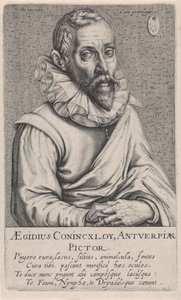
1544–1607, 比利時
吉利斯·凡·科宁克罗
翠绿领域的宗师 吉利斯·凡·科宁克罗是北方风景艺术演进史上的关键人物,在繁复的矫饰主义传统与早期巴洛克时期蓬勃发展的大气深度之间,架起了一座至关重要的桥梁。他出生于比利时安特卫普,其生命轨迹与低地国家深厚的艺术传承紧密交织。作为画家的后裔,他沉浸在一个将精湛工艺与自然观察视为至高无上的世界中。在小彼得·库克·范·艾尔斯特和莱纳特·克罗斯等大师的指导下,他接受了严苛的早期训练,为其打下了坚实的基础;然而,真正让他的才华得以绽放的,是在吉利斯·莫斯塔特工作室工作的经历,这段时光让他得以在参与专业创作的同时,不断磨炼自己独特的艺术视野。 他的艺术旅程充满了迁徙与扩张,映射出那个时代变幻莫测的政治与文化浪潮。尽管他的职业生涯根植于安特卫普,但在生命的后期,他足迹遍布欧洲,曾在德国工作,最终定居于荷兰共和国。这种游牧式的生存状态使他的风格能够吸收各种地域性的影响,最终促成了森林风景画的成熟与演进。他因能够将单纯的林木描绘转化为深刻的感官体验而闻名遐迩——在观者眼中,那不再仅仅是树木的堆砌,而是被邀请步入一个生机勃勃、呼吸着的生态系统。 光影与森林的炼金术 吉利斯·凡·科宁克罗真正的卓越之处在于他对森林风景无与伦比的掌控力。他拥有一种非凡的能力来操纵光影——这种常被称为“明暗对照法”的技术——用以雕琢那些定义其构图的茂密灌木丛与交错的枝干。在如其《森林风景》等作品中,人们可以观察到一种近乎执着的细节追求;每一片叶脉的走向、每一寸树皮的纹理,都经过了极其细致的刻画。他利用木板油画和铜版画媒介来追求一种通透的质感,让光线穿透层层叠叠的翠绿树冠,营造出一种既真实可感又如梦似幻的大气深度。 除了纯粹的技术执行,他的风景画中还蕴含着叙事感与静谧的象征意义。一条蜿蜒的小径或许将视线引向远方谦卑的村庄,或是地平线上雄伟的城堡,暗示着孤独、庇护或是文明与荒野共存的主题。他的作品捕捉到了艺术史中的一次转型:风景不再仅仅是人类戏剧的背景,而是成为了主角本身。通过对光、影与深度的精心构建,吉利斯·凡·科宁克罗创造了一个个邀请人们进行宁静沉思的世界,为荷兰与佛兰德斯黄金时代的发展留下了不可磨灭的印记。
吉利斯·凡·科宁克罗 的其他作品
 Jonah Preaching to the Ninevites1583
 Woodland with Saint Jerome1583
 Landscape with the judgment of Midas1598
 Landscape with the Judgement of Paris1610
关于 Landscape 的论文集
 Masterpieces of Jan van Goyen: Top 25 Iconic Dutch LandscapesExplore 25 iconic Jan van Goyen landscapes from the Dutch Golden Age. Discover these tonal masterpieces on OriginalUniqueArt.com.
 Chiaroscuro & Shadows: The High-Impact Power of Moonlight in Masterpiece LandscapesMaster the drama of chiaroscuro and moonlight in classical landscapes. Explore the power of light and shadow now.
 Masterpieces of Nature: The Top 25 Artworks by Jacob van RuisdaelExplore 25 iconic Jacob van Ruisdael landscapes. Discover the soul of Dutch Golden Age art. Explore the full collection online at OriginalU…