

 分享
分享 分享
分享
 详情
详情

 下载
下载
 相似作品
相似作品 幻灯片播放
幻灯片播放 统计数据
统计数据Apollo and Daphne (detail)


 展开详情
展开详情
艺术微喷/版画
博物馆级艺术微喷或帆布版画,制作高效,并提供多种饰面选择。 ( 购买手绘画作 切换至数字图像销售渠道)




































从与原作比例一致的预设尺寸中进行选择。

您可以输入自定义尺寸,以适配特定的画框或空间。如果您选择的尺寸与原图比例不符,我们将对作品进行裁剪,或通过镜像填充/纯色填充边缘的方式来扩展图像。在开始制作之前,我们会向您发送一份数字效果图供您确认。
请注意,屏幕上的预览并不能反映实际的裁剪或扩展效果。只有效果图才能准确展示最终的构图。
虽然我们提供定制尺寸,但为了保持原图比例,我们建议您从预设列表中选择尺寸。


 玻璃选项仅适用于110厘米以下的尺寸。

Apollo and Daphne (detail)
艺术微喷/版画
复制品尺寸
-


最终总价
$ 80
The Genesis of a Myth: Bernini’s Apollo and Daphne
Gian Lorenzo Bernini's “Apollo and Daphne” isn’t merely a sculpture; it’s a frozen moment of dramatic narrative, a visceral embodiment of desire thwarted and transformed. Completed between 1622 and 1625 for Cardinal Scipione Borghese, this life-sized marble masterpiece resides within the Galleria Borghese in Rome, instantly captivating viewers with its dynamic composition and profound emotional depth. The story itself—a retelling of Ovid’s *Metamorphoses*—provides a rich foundation: Apollo, the radiant god of music and poetry, relentlessly pursues the nymph Daphne, who flees his advances, ultimately transforming into a laurel tree to escape his ardent pursuit.
Bernini masterfully captures this pivotal moment. The sculpture depicts the climax of Daphne’s flight, just as she begins her metamorphosis. Apollo, caught mid-stride, reaches out with a desperate hand, attempting to grasp her waist—a gesture that now encounters only the rough texture of bark. His face is etched with a mixture of frustration and bewildered longing, while Daphne, already partially transformed, exhibits a poignant blend of terror and resignation. The sculpture isn’t simply about a failed romantic encounter; it's about the clash between divine desire and feminine agency, a struggle for autonomy against overwhelming power.
Baroque Drama: Form and Movement in Marble
Bernini was a pioneer of Baroque art, and “Apollo and Daphne” exemplifies his revolutionary approach to sculpture. Unlike the static formality of Renaissance sculpture, Bernini sought to capture movement and emotion with unprecedented realism. He achieved this through several key techniques. Firstly, he employed *contrapposto*, a classical pose where weight is shifted onto one leg, creating an illusion of dynamic balance. Apollo’s stance immediately conveys his forward momentum, while Daphne's contorted form reflects her desperate flight.
Furthermore, Bernini utilized the inherent qualities of marble to enhance the sense of movement. The smooth, polished surfaces contrast dramatically with the rough texture of the bark that is rapidly engulfing Daphne’s body. This juxtaposition creates a powerful visual effect, emphasizing the transformation and highlighting the sculpture's tactile quality. The drapery, billowing around Apollo, adds another layer of dynamism, suggesting the force of his pursuit. The sculptor skillfully manipulated light and shadow to further accentuate these effects, creating an illusion of depth and volume within the solid stone.
Symbolism and Transformation: Laurel Leaves and Divine Desire
Beyond the narrative itself, “Apollo and Daphne” is laden with symbolic meaning. The laurel tree, which ultimately becomes Daphne’s fate, was closely associated with Apollo—a symbol of his victory over the monstrous Python, a serpent that threatened to extinguish his light. Daphne's transformation into this sacred tree represents not just her escape from Apollo but also her elevation to a realm of immortality and divine association. The sculpture thus becomes a meditation on themes of love, loss, and transformation—a potent reminder of the power of nature and the limitations of human desire.
The choice of marble itself is significant. Marble was considered a noble material, associated with purity and permanence. By sculpting Daphne in this enduring medium, Bernini elevates her metamorphosis to an almost eternal state. The sculpture’s placement within the Borghese Gallery—a villa originally designed as a private retreat for Cardinal Scipione Borghese—further underscores its intimate and personal significance.
A Timeless Masterpiece: Capturing Emotion in Stone
“Apollo and Daphne” remains one of Bernini’s most celebrated works, and rightfully so. It is a testament to the artist's unparalleled skill as a sculptor—his ability to capture not just the physical likeness of his subjects but also their emotions, their struggles, and their transformations. The sculpture continues to resonate with viewers today because it speaks to universal themes of love, loss, and the enduring power of myth. Reproductions of this iconic work offer a remarkable opportunity to experience Bernini’s genius firsthand, bringing the drama and emotion of this Baroque masterpiece into any space.
艺术家简介
一位罗马的天才:詹·洛伦佐·贝尼尼的生平与遗产
詹·洛伦佐·贝尼尼于1598年出生在那不勒斯,降临到一个艺术变革即将爆发的时代。他的父亲皮埃特罗·贝尼尼本身就是一位受人尊敬的雕塑家,年轻的詹·洛伦佐正是在这个家族的工作室里,让其非凡的天赋初次绽放。他未来的精湛技艺的种子,不仅源于严苛的技术训练,更来自于对罗马古典遗产的早期浸润。他对梵蒂冈收藏馆中的雕塑进行了贪婪的吸收,汲取了其中形式与原则,这种求知欲最终定义了他的艺术视野。即使在童年时期,贝尼尼的技艺也超越了其父,预示着他将成为一股革命性的力量。这份天生的禀赋很快引起了注意,最显著的是来自马菲奥·巴尔伯里尼枢机主教的关注。这位枢机主教后来升任教宗乌尔班八世,成为了贝尼尼最具影响力的赞助人,不仅塑造了他的职业生涯,更重塑了罗马本身的审美图景。雕刻情感:巴洛克戏剧的诞生
贝尼尼无可争议地被誉为巴洛克时期最杰出的雕塑家,这一风格以其动感、强烈的情感张力和磅礴的气势为特征。他所做的远不止是雕刻形象;他是将生命注入大理石之中,以无与伦比的技艺捕捉了深刻心理深度和戏剧叙事瞬间。如果说文艺复兴时期的雕塑更侧重于理想化的形态和静止的美感,那么贝尼尼则拥抱了运动、戏剧性和人类情感的原始力量。他的作品超越了单纯的再现,旨在引发观者内脏层面的共鸣。定义其独特风格的关键元素包括:通过面部表情和肢体语言传达复杂情感的大师级能力;令人惊叹的技术精湛度,使他能够以令人窒息的真实感来描绘纹理——飘逸的发丝、精致的织物、光滑的肌肤;以及最重要的是,对戏剧叙事的执着,描绘了激烈行动或精神高潮的瞬间。《圣特蕾莎的狂喜》,馆藏于科尔纳罗礼拜堂,或许是他最具标志性的成就——这是一种由大理石、青铜和光线交织而成的漩涡式构图,以近乎压倒性的情感力量捕捉了一种神秘体验。其他杰作如《阿波罗与达芙妮》和《大卫》,则展示了同样的动态能量,将石头转化为转瞬即逝的蜕变与蓄势待发的张力。超越雕塑:建筑与城市愿景
贝尼尼的天才远超雕塑的范畴。他是一位极其多才艺的艺术家,对建筑和城市规划做出了重大贡献,从根本上重塑了罗马的城市面貌。他的建筑设计从未是孤立构思的;它们总是与其雕塑作品相结合,创造出模糊了学科界限的统一艺术体验。圣彼得大教堂高祭坛上宏伟的《巴尔达奇诺》就是这种整体性方法的证明——一个高耸的青铜穹顶,主宰着空间,并以令人敬畏的姿态将目光向上引导。他还曾在重新设计多个罗马广场方面发挥了关键作用,将其转变为充满活力的公共空间。《纳沃纳广场的四河喷泉》,其上描绘了代表不同大洲主要河流的寓言人物,便是他创造动态而引人入胜的城市环境能力的绝佳例证。他在圣彼得大教堂上的工作,包括环绕着朝拜者的宏伟列柱廊,极大地改变了大教堂的外观,并营造了一个符合基督教心脏地位的盛大仪式空间。持久的影响:贝尼尼的历史意义
詹·洛伦佐·贝尼尼深刻地影响了西方艺术的发展进程。他对雕塑的创新方法确立了巴洛克风格作为欧洲艺术主导力量一个多世纪,以其戏剧性的构图和精湛的技术工艺影响了数代艺术家。他并非仅仅是古典形式的模仿者;而是将它们与一种新的动感和情感强度进行了综合,创造出完全原创的作品。他将雕塑、建筑和绘画融入统一的艺术体验中,为艺术表达树立了新的标杆,展示了艺术调动所有感官并唤起深刻情感的力量。正如霍华德·希巴德雄辩地指出,贝尼尼的影响是如此巨大,以至于他被誉为“十七世纪最伟大的雕塑家”。他的作品持续激发着敬畏与赞叹,巩固了他作为历史上最重要艺术家之一的地位——一位真正的*uomo universale*(万才不才),其遗产至今仍在回响。家族与更多成就
- 皮埃特罗·贝尼尼:詹·洛伦佐的父亲,一位提供了早期训练和指导的雕塑家。
- 斯基皮奥内·博尔盖塞枢机主教:一位早期的赞助人,其委托使贝尼尼得以发展出其标志性的风格。
- 教宗乌尔班八世:贝尼尼最重要的赞助人,为他在罗马的建筑和雕塑项目提供了广阔的机会。
- 建筑项目:除了圣彼得大教堂外,贝尼尼还设计了如奎里纳莱圣安德烈教堂等教堂,并为博尔盖塞宫的设计做出了贡献。
- 剧院设计:他还是位剧作家和舞台设计师,为戏剧作品创造了精巧的布景和机械装置。

詹·洛伦佐·贝尼尼
1598 - 1680 , 意大利
艺术家简介
- Artistic Movement Or Style: 巴洛克
- Artists Or Movements Influenced By This Artist:
- 巴洛克雕塑
- 欧洲艺术
- Artists Who Influenced This Artist:
- 皮埃特罗·贝尼尼
- 米开朗基罗
- Date Of Birth: 1598年12月7日
- Date Of Death: 1680年11月28日
- Full Name: 詹·洛伦佐·贝尼尼
- Nationality: 意大利
- Notable Artworks:
- 圣特蕾莎的狂喜
- 阿波罗与达芙妮
- 大卫
- 巴尔达奇诺
- 四河喷泉
- Place Of Birth: 意大利那不勒斯
相关文章

The Enduring Form: Exploring Themes & Techniques in Sculpture Across Historical Periods
Explore the rich history of sculpture from ancient masterpieces to contemporary innovations. Discover key techniques, influential artists & investment potential for discerning art collectors.
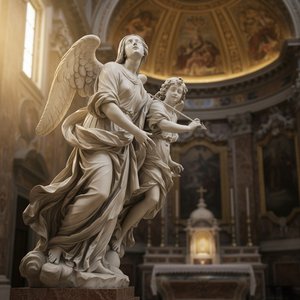
Gian Lorenzo Bernini: Sculpting Baroque Emotion & the Roman Imagination
Explore the life & revolutionary art of Gian Lorenzo Bernini, the master sculptor of the Baroque era. Discover his iconic works like David and Ecstasy of Saint Teresa – a journey into Roman artistic genius.

Theatricality & Triumph: Baroque Drama in Painting & Sculpture
Explore the dramatic world of Baroque art! Discover its history, defining characteristics, & lasting influence on painting & sculpture. Expert insights into Caravaggio, Zurbarán, and Bernini – plus high-quality reproductions at OriginalUniqueArt.

The Enduring Allure of Marble in Art History: From Classical Sculpture to Modern Abstraction
Explore the captivating history of marble sculpture from ancient Greece to modern art. Discover renowned artists like Canova & Michelangelo, carving techniques, and investment insights at OriginalUniqueArt.

Bronze Sculptures That Defined Art History | OriginalUniqueArt
Journey through art history with our Top 10 bronze sculptures! Explore masterpieces by Rodin, Michelangelo & more. Discover stories behind iconic statues and find museum-quality reproductions for your home decor at OriginalUniqueArt.com.