
 发送
发送 分享
分享
 详情
详情 指南
指南

 下载图片
下载图片
 相似作品
相似作品 幻灯片播放
幻灯片播放 统计数据
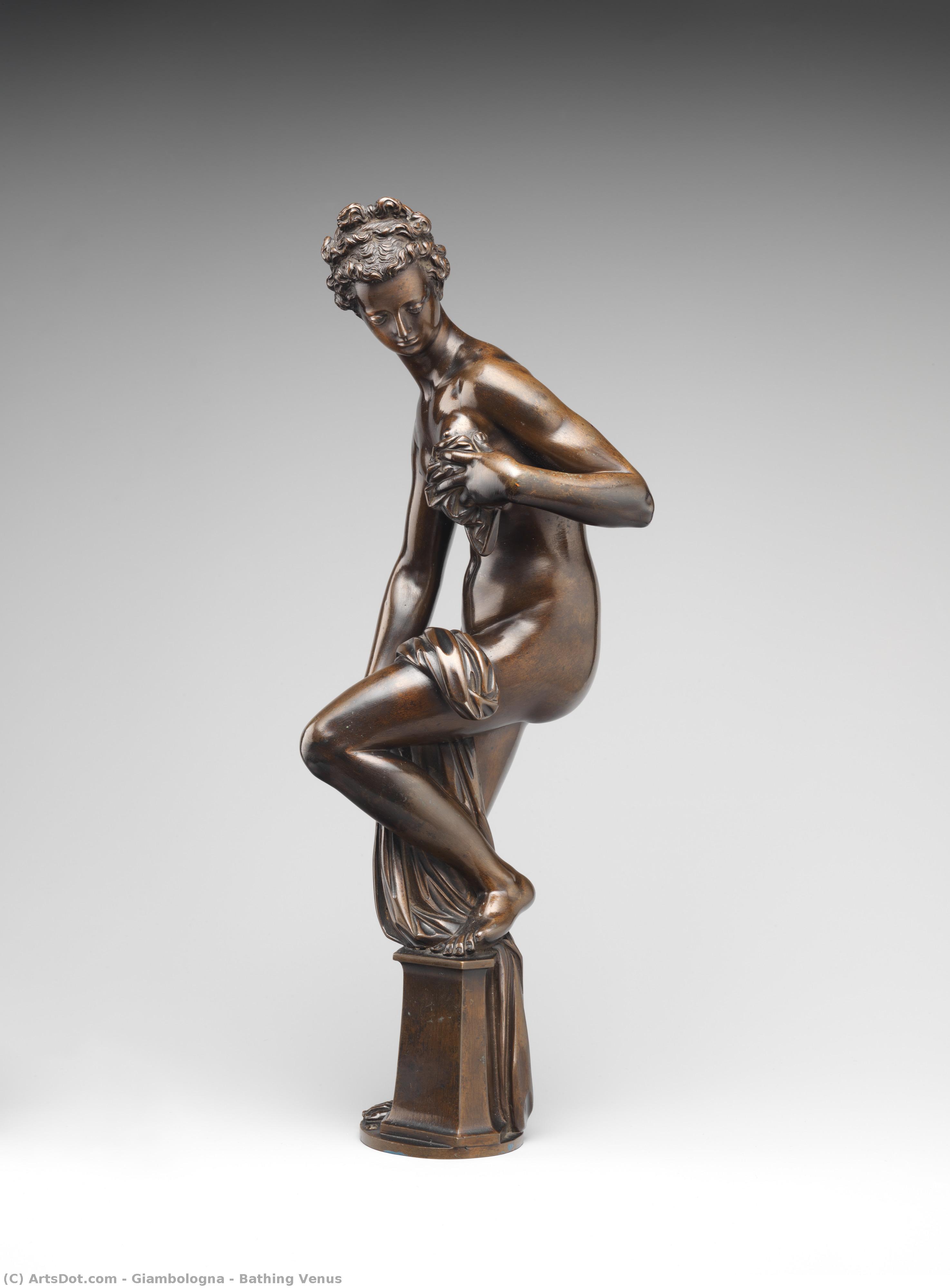
统计数据Bathing Venus


 阅读全文
阅读全文
艺术微喷/版画
博物馆级艺术微喷或帆布版画,制作高效,并提供多种饰面选择。 ( 订购此收藏品的纯手工复刻画作 切换至数字图像销售渠道)




































您可以从与原作比例一致的预设尺寸中进行选择。

请输入您所需的宽度和高度,以适配您的画框或墙面。由于印刷品只能进行裁剪,无法超出原图尺寸,因此若比例不一致,画面的一部分将会被裁切。在正式印刷之前,我们会为您发送一份数字效果图供您确认。本页面显示的图片并非最终裁剪后的效果——只有效果图才能展示真实的裁剪情况。


 玻璃选项仅适用于110厘米以下的尺寸。

Bathing Venus
艺术微喷/版画
复刻品尺寸说明
-


总计金额
¥ 537
The Divine Embrace: Unveiling Giambologna’s “Bathing Venus”
Giambologna's "Bathing Venus," a bronze sculpture of breathtaking elegance and subtle sensuality, isn’t merely a depiction of a goddess; it’s an embodiment of the Renaissance fascination with classical ideals, a testament to masterful technique, and a poignant exploration of beauty itself. Created during the late 16th century, this captivating work transcends its historical context, offering a timeless allure that continues to resonate with viewers today. The sculpture captures Venus in a moment of serene contemplation – she’s not actively engaged in bathing, but rather luxuriating in the aftermath, her pose suggesting both vulnerability and quiet power.
The genesis of this iconic piece is rooted in the burgeoning humanist movement that swept through Europe during the Renaissance. Artists like Giambologna sought to revive the grandeur and idealized forms of ancient Greek and Roman sculpture, imbuing them with a distinctly new sensibility. He meticulously studied surviving classical statues, striving for an accuracy of proportion and anatomical detail rarely seen before. Yet, unlike the often-rigid formality of earlier Renaissance art, Giambologna’s Venus is imbued with a remarkable fluidity – her limbs are elongated, her drapery cascades in graceful folds, and her face remains partially obscured, inviting the viewer to complete the image with their own imagination.
The Alchemy of Bronze: Technique and Craftsmanship
Giambologna’s mastery lies not only in his understanding of classical forms but also in his innovative approach to bronze casting. He employed the lost-wax method, a painstaking process involving creating a wax model, encasing it in plaster, melting out the wax to create a mold, and then pouring molten bronze into the cavity. This technique allowed for incredible detail – the subtle variations in texture across Venus’s skin, the delicate folds of her garment, and the shimmering sheen of the polished surface are all testaments to Giambologna's skill.
Notably, Giambologna experimented with contrasting textures within a single piece. Some areas are deliberately left unfinished, retaining the roughness of the bronze itself, while others are meticulously smoothed and polished to a mirror-like finish. This juxtaposition creates a dynamic visual effect, drawing attention to the sculpture’s materiality and highlighting the artist's deliberate control over surface quality. The use of different patinas further enhances this effect, adding depth and richness to the overall composition.
Symbolism and the Renaissance Ideal
Beyond its technical brilliance, “Bathing Venus” is rich in symbolic meaning. Venus, as the goddess of love and beauty, represents not just physical attractiveness but also virtue, fertility, and prosperity – qualities highly valued during the Renaissance. The act of bathing itself carries significant weight; it’s a ritual of purification, renewal, and connection with nature. The partially veiled face adds an element of mystery, suggesting that Venus is both accessible and eternally distant.
Furthermore, Giambologna's choice to depict Venus emerging from the water subtly references classical mythology – echoing the image of Aphrodite rising from the sea foam. This connection to ancient narratives reinforces the sculpture’s status as a revival of classical ideals and its role in shaping the artistic landscape of the Renaissance. The overall composition speaks to an idealized vision of beauty, one that celebrates both physical grace and inner virtue.
A Timeless Masterpiece: Replicas and Enduring Appeal
“Bathing Venus” has captivated viewers for centuries, inspiring countless artists and designers. Its influence can be seen in the works of subsequent sculptors and painters, who continued to explore themes of beauty, mythology, and the human form. Today, high-quality reproductions offer a remarkable opportunity to experience this iconic masterpiece firsthand, bringing its elegance and serenity into homes and galleries worldwide. When selecting a reproduction, consider the materials used – bronze or resin are excellent choices that faithfully capture the sculpture’s texture and sheen—and ensure it is created by skilled artisans who understand Giambologna's meticulous approach.
问答详情
“Bathing Venus”是如何融入 詹博洛尼亚 的主题与风格之中的?
"Bathing Venus" 属于 詹博洛尼亚 的 Late Mannerism 时期作品,其记录的主题包括 classical antiquity, renaissance ideals, medici patronage, florentine court, venus myth, beauty symbolism, mannerist elegance, refined surfaces。
对于Living Room,建议将"Bathing Venus"打印成多大的尺寸?
在Living Room中,建议将"Bathing Venus"打印为Large的大小。
"Bathing Venus" 有艺术版画出售吗?
您可以在詹博洛尼亚 的《Bathing Venus》的艺术版画页面直接订购其版画:采用棉质帆布或档案级画布纸制作的艺术版画。
艺术家简介
Giambologna:定义风格主义的雕塑大师
让·布洛涅,即后来闻名遐迩的詹博洛尼亚(1529 – 1608),是意大利文艺复兴与巴洛克时期最具影响力的雕塑家之一。他出生于法兰德斯地区的杜埃(现属法国),其艺术生涯始于安特卫普师从雅克·杜·布鲁克,随后在1550年开启了改变命运的罗马之旅。在罗马,他沉浸于古典雕塑的深厚遗产之中,并汲取了米开朗基罗所倡导的风格创新。这种艺术洗礼深刻塑造了他独特的风格主义(Mannerism)风格——其特征在于对表面纹理极其细腻的感悟、高雅的格调,以及对早期文艺复巡时期那种情感热情的刻意背离。- 早年生活与训练:布洛涅最初的艺术倾向是在安特卫普的建筑氛围中孕育的,这段经历为他打下了坚实的基础,使他在罗马深造时能够游刃有余。他对米开朗基罗宏伟杰作的研习,使他培养出对解剖精准度与雕塑动态感的深刻理解,这些原则后来成为了詹博洛尼亚作品的标志性特征。
- 罗马的影响与赞助:詹博洛尼亚在罗马的岁月恰逢美第奇家族赞助事业的兴起,这为他赢得了诸多委约创作,不仅提升了他的艺术声望,更巩固了他作为时代顶尖雕塑家的地位。米开朗基罗的影响力并未止步于风格上的模仿,更在于它促成了一种哲学上的追求:即通过细致入微的观察与精湛的技艺,去实现一种理想化的美。
风格主义风格:对传统的背离
詹博洛尼亚的艺术愿景果断地拒绝了盛期文艺复兴雕塑中那种和谐的平衡感与情感的宏大叙事。相反,他拥抱了风格主义——这一艺术运动更看重理性的沉思而非直觉的情感冲击。这种创作手法体现在几个关键特征上:拉长的肢体带有微妙的比例扭曲;轻盈飘逸的衣褶传达出一种不稳定的危机感;以及对装饰性表面处理(尤其是抛光大理石)的强调,从而达到了无与伦比的光泽度。詹博洛尼亚的雕塑并非旨在传递即时的情感冲击,而是为了引发人们对复杂哲学概念的反思,这正映射了当时更广泛的知识分子思潮。他熟练地运用了contrapposto(对立平衡)技法,通过躯干向观众方向轻微倾斜的姿态,创造出一种运动与平衡的错觉——这一技术由米开朗基罗臻于完美,随后被詹博洛尼亚发扬光大。- 对表面纹理的强调:詹博洛尼亚的雕塑以其极其精细的表面处理而闻名,通过艰辛的抛光技术最大化了反射率,创造出一种令人着迷的光影交织效果。
- 动态构图与解剖精准度:不同于米开朗基罗那种理想化的形态,詹博洛尼亚的人物作品拥有一种令人不安的写实感——通过对解剖比例的刻意扭曲,旨在增强表现力的张力并传达心理深度。
卓越作品与委约创作
詹博洛尼亚丰硕的创作涵盖了用于公共空间的宏伟雕塑以及极具私密性的肖像作品,这使他成为了同代人中最受赞誉的艺术家之一。他的巅峰成就包括:- 海神喷泉(博洛尼亚):在与托马索·劳雷蒂合作的这一宏大项目中,詹博洛尼亚为博洛尼亚海神广场打造了核心杰作。这座巨大的青铜雕塑描绘了海神波塞冬,周围环绕着体现各种海洋神话元素的次要人物。
- 萨宾妇女劫掠(佛罗伦萨): 这件完成于1574年至1582年间的理石杰作,完美展示了詹博洛尼亚对风格主义技法——尤其是contrapposto——的掌控力,并以惊人的精准度捕捉了罗马传奇中那段充满戏剧性的叙事。
- 墨丘利雕像(佛罗伦萨):詹博洛尼亚对信使之神墨丘利的刻画,因其优雅的姿态和明亮的光泽表面而备受推崇,体现了风格主义的优雅精神与理性的沉思。
传承与影响
詹博洛尼亚的影响力远超其有生之年,他塑造了后世艺术家的审美感官,并成为从文艺复兴向巴洛克艺术过渡的关键人物。他的雕塑创新——特别是对动态运动和心理复杂人物的探索——为贝尔尼尼和卡拉瓦乔等艺术家提供了灵感,这些大师通过采纳风格主义原则,开辟了全新的表现路径。詹博洛尼亚持久的声誉见证了他无与伦比的艺术远见——这是一种将古典理想与人文主义情感完美融合,并转化为独特且引人入胜的美学体验的卓越能力。
詹博洛尼亚
1529 - 1608
快速概览
- Artistic Movement Or Style: 风格主义雕塑
- Artists Or Movements Influenced By This Artist: ['巴洛克']
- Artists Who Influenced This Artist: ['米开朗基罗']
- Date Of Birth: 1529
- Full Name: 让·布洛涅
- Nationality: 佛兰德人
- Notable Artworks:
- 墨丘利
- 掠夺萨宾妇女
- Place Of Birth: 法国,杜埃
相关文章

The Enduring Legacy of Bronze Sculpture: A Collector's Guide to Form & Cultural Significance
Explore the rich history & enduring appeal of bronze sculpture with expert insights for collectors at OriginalUniqueArt. Learn about casting techniques, iconic artists, and collecting tips to build a discerning art collection.

The Enduring Legacy of Bronze: A Historical & Artistic Exploration for the Collector
Explore the rich history & enduring appeal of bronze sculpture with expert insights for collectors at OriginalUniqueArt. Learn about casting techniques, iconic artists, collecting tips & contemporary interpretations.
青铜艺术的永恒遗产:历史、技艺与收藏家的鉴赏之道
探索青铜艺术的辉煌历史、精湛技艺与收藏价值。深入了解失蜡法铸造工艺,掌握青铜器鉴赏技巧,规避市场风险。OriginalUniqueArt.com为您提供专业的艺术咨询和定制服务。

Bronze Age to Modern Masters: 10 Sculptures That Redefined Art | OriginalUniqueArt
Journey through art history with 10 legendary bronze sculptures – from Michelangelo's David to Rodin’s Thinker. Explore the stories, techniques & timeless beauty of these masterpieces. Find museum-quality reproductions & elevate your home decor on OriginalUniqueArt.com.

Bronze Sculptures That Defined Art History | OriginalUniqueArt
Journey through art history with our Top 10 bronze sculptures! Explore masterpieces by Rodin, Michelangelo & more. Discover stories behind iconic statues and find museum-quality reproductions for your home decor at OriginalUniqueArt.com.