
 实景预览
实景预览
 发送
发送 分享
分享
 详情
详情 指南
指南

 下载图片
下载图片
 相似作品
相似作品 X射线
X射线 幻灯片播放
幻灯片播放 统计数据
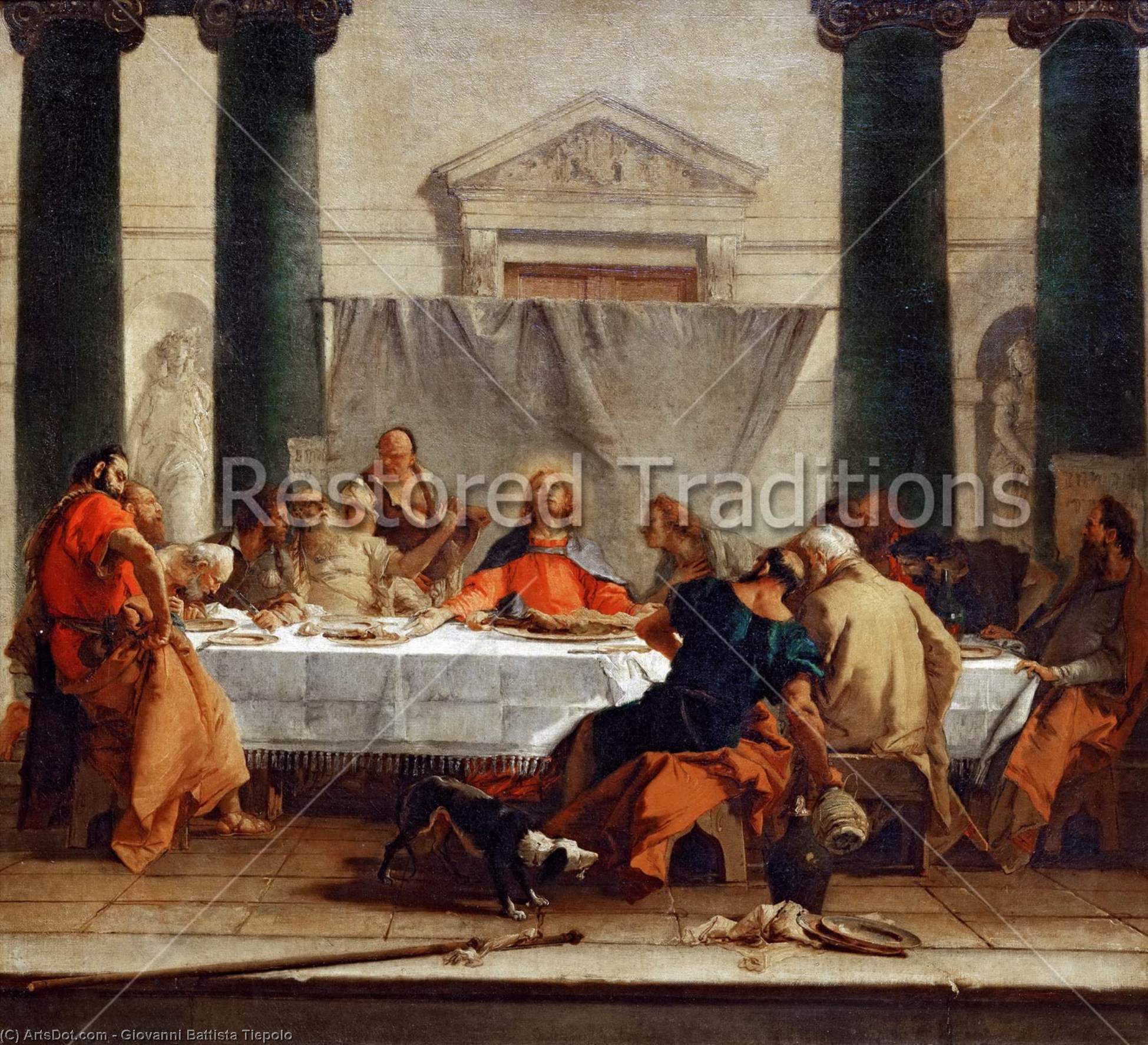
统计数据The Last Supper
 Oil On Canvas
- WallArt
- High Renaissance
 1745
1745 81.0 x 90.0 cm
 卢浮宫
卢浮宫
 阅读全文
阅读全文
艺术微喷/版画
博物馆级艺术微喷或帆布版画,制作高效,并提供多种饰面选择。 ( 订购此收藏品的纯手工复刻画作 切换至数字图像销售渠道)




P118B $10

P118H $10

P118W $10

P438Z $10

P508JH $12

P508YH $12

P805H $10

P805Z $10

P919BZ $10

P919G $10

P919XJ $10

P959ZH $10

P968JZ $12

W106C $8

W218G $10

W218JH $8

W218Y $10

W307PJ $10

W316G $10

W316PJ $8

W316Y $10

W398PJ $8

W4111J $10

W500HY $15

W500JH $15

W692G $12

W849H $8

W940BG $15

W953PJ $8




您可以从与原作比例一致的预设尺寸中进行选择。

您可以输入自定义尺寸,以适配特定的画框或空间。如果您选择的尺寸与原图比例不符,我们将对作品进行裁剪,或通过镜像填充/纯色填充边缘的方式来扩展图像。在开始制作之前,我们会向您发送一份数字效果图供您确认。
请注意,屏幕上的预览并不能反映实际的裁剪或扩展效果。只有效果图才能准确展示最终的构图。
虽然我们提供定制尺寸,但为了保持原图比例,我们建议您从预设列表中选择尺寸。


 玻璃选项仅适用于110厘米以下的尺寸。

The Last Supper
艺术微喷/版画
复刻品尺寸说明
-


总计金额
$ 80
A Moment Frozen in Time: The Story of the Last Supper
Leonardo da Vinci’s The Last Supper, housed within the refectory of Santa Maria delle Grazie in Milan, isn't merely a painting; it’s an immersive experience. Completed between 1495 and 1498, this monumental fresco captures a pivotal moment – the announcement by Jesus of his impending betrayal – and unfolds with breathtaking realism and profound psychological depth. The scene is not simply depicted; it’s felt. Leonardo masterfully utilizes perspective to draw the viewer into the heart of the gathering, creating an illusion of space that feels both intimate and expansive. The figures aren't static representations but are caught in moments of stunned disbelief, quiet contemplation, or outright anger – a testament to Leonardo’s unparalleled ability to convey human emotion through gesture and expression.
The painting’s genesis is rooted in the ambitious plans of Ludovico Sforza, Duke of Milan, who envisioned transforming the monastery into a family mausoleum. Leonardo was commissioned to decorate the wall of this future burial chamber with a series of frescoes, including The Last Supper. This commission provided Leonardo with an unprecedented opportunity to experiment with new techniques and push the boundaries of artistic representation. He famously chose to work in tempera on gesso rather than fresco, a decision that ultimately contributed to the painting’s rapid deterioration over centuries – a poignant reminder of the fragility of art and the challenges inherent in pioneering new methods.
The Secrets of Composition: Perspective and Human Drama
Leonardo's genius lies not just in his ability to render realistic figures, but also in his innovative use of perspective. He employs *aerial perspective*, subtly blurring details in the background to create a sense of depth and distance, drawing the eye towards Jesus at the center of the composition. The arrangement of the apostles is equally deliberate; Leonardo groups them into clusters based on their reactions to Christ’s announcement, creating a dynamic visual narrative. Notice how Judas, often depicted with a subtle but unmistakable sneer, sits apart from the others, radiating an aura of suspicion and treachery.
The painting's psychological realism is equally remarkable. Leonardo meticulously studied human anatomy and expression, capturing the nuances of each apostle’s reaction – shock, denial, anger, confusion, and acceptance. He doesn’t simply depict faces; he reveals inner states. The subtle shifts in posture, hand gestures, and facial expressions convey a complex web of emotions that resonate deeply with viewers even today. Leonardo's use of *chiaroscuro*—the dramatic contrast between light and shadow—further enhances the sense of drama and realism, highlighting key figures and creating a powerful emotional impact.
Symbolism and Religious Significance
Beyond its technical brilliance, The Last Supper is rich in religious symbolism. The bread and wine depicted on the table represent the Eucharist, the central sacrament of Christianity – a memorial to Jesus’ sacrifice. The act of breaking bread symbolizes Christ's body being broken for humanity’s salvation. The setting itself—a simple dining room—underscores the intimate nature of this sacred event. Even Judas’ placement is significant; he sits in the darkest corner, symbolizing his role as the betrayer and the source of darkness within the group.
The painting's enduring power lies not only in its artistic merit but also in its profound exploration of human nature – betrayal, faith, doubt, and love. It’s a timeless masterpiece that continues to captivate viewers with its emotional intensity, technical innovation, and spiritual depth. The Last Supper remains a cornerstone of Western art history, a testament to Leonardo da Vinci's genius and his ability to capture the essence of human experience on canvas.
艺术家简介
早期生活与艺术启蒙
乔万尼·巴蒂斯塔·提埃波罗(Giovanni Battista Tiepolo,1696 – 1770)是那个时代最伟大的画家之一,无可争议的洛可可大师,也是十八世纪最有影响力的壁画艺术家。提埃波罗出生于意大利威尼斯——一个充满艺术传统的城市,通过他令人叹为观止的画布和宏伟的壁画而声名鹊起,这些壁画将教堂和宫殿转变为色彩、戏剧性和虚幻壮丽的沉浸式体验。他的遗产至今仍在激励着艺术家,巩固了他作为威尼斯艺术史上最重要人物之一的地位。提埃波罗的艺术之旅始于受尊敬的威尼斯画家乔万尼·安东尼奥·佩列格里尼(Giovanni Antonio Pellegrini)的指导下,佩列格里尼向他灌输了“迪塞尼奥”(disegno)的基础理解——意大利术语,意为绘画和设计,这是巴洛克美学的基础。佩列格里尼认识到他的非凡才华,鼓励提埃波罗在博洛尼亚学院学习,在那里他磨练了自己的技能,与弗朗切斯科·巴托洛梅奥·拉斯特雷利(Francesco Bartolomeo Rastrelli)和安东尼奥·卡纳莱托(Antonio Canaletto)等艺术家一起工作,吸收了巴洛克宏伟和新兴洛可可优雅的影响。威尼斯工作室与艺术突破
1726年回到威尼斯后,提埃波罗建立了一个高效的工作室,迅速成为卓越的代名词。他拥抱了洛可可的风格原则——以精致的装饰、柔和的色调和不对称的构图为特征——但仍然坚持古典比例和透视的核心承诺。这种和谐的融合产生了令观众着迷并获得评论界赞誉的作品,尤其是在拉比亚宫(Palazzo Labia)和雷佐尼科宫(Ca’ Rezzonico)装饰的壁画。提埃波罗在威尼斯的工作室迅速发展壮大,吸引了众多学徒和助手,成为当时最负盛名的艺术中心之一。他不仅擅长大型壁画创作,还精通油画、素描等多种绘画技巧。他的早期作品展现出对光影的敏锐观察力和对色彩的巧妙运用,为他日后的艺术风格奠定了坚实的基础。皇家赞助与宏伟委托
提埃波罗的艺术声誉迅速吸引了欧洲君主的注意,为他在意大利、西班牙和普鲁士各地国王和亲王处获得了有利的委托。他的大型壁画在维也纳附近的肖恩布伦宫(Schönbrunn Palace)和波茨坦的桑苏西宫(Sanssouci Palace)是他在规模和戏剧性表现方面的精湛技艺——将空间转变为华丽的壮观景象,庆祝皇权和艺术创新。这些委托不仅为提埃波罗带来了巨大的财富和声望,也使他的作品得以在更广阔的国际舞台上展示。他与欧洲各地的贵族建立了密切的关系,成为当时最受追捧的艺术家之一。技巧与创新
提埃波罗独特的技巧涉及一丝不苟的准备工作,利用灰阶底色(grisaille underdrawings)来建立精确的空间关系,然后再应用多层鲜艳的色彩。他开创了颜料混合和上釉的新方法——创造出似乎自身散发着光芒的光辉表面——这是他无与伦比的艺术视野的标志。他的壁画以其对明暗对比(chiaroscuro)的出色运用而闻名——光影之间的相互作用,产生了一种有形的空间感和活力感。提埃波罗不仅是一位技艺精湛的画家,还是一位富有创新精神的艺术家,他不断探索新的绘画技巧和材料,以实现他对艺术表现的独特愿景。遗产与影响
提埃波罗的影响远远超出了他的寿命范围,塑造了后世艺术家的审美 sensibilities。他对虚幻绘画的强调深刻地影响了巴洛克和洛可可风格,确立了他作为戏剧性宏伟和视觉壮丽无可争议的拥护者。今天,提埃波罗的作品继续激发人们的敬畏和钦佩,成为威尼斯艺术天才的持久纪念碑。他的壁画作品对后来的艺术家产生了深远的影响,例如法国新古典主义画家雅克-路易·大卫(Jacques-Louis David),他们从提埃波罗对构图、色彩和光影的运用中汲取灵感。提埃波罗不仅是一位伟大的画家,还是一位艺术思想家,他的作品引发了人们对绘画本质和艺术在社会中的作用的反思。著名作品与艺术成就
- 圣乔治马焦雷的圣母升天:被认为是提埃波罗的杰作,这幅宏伟的壁画体现了他无与伦比的创造沉浸式环境和传达深刻精神情感的能力。它那高耸的天花板描绘了圣母玛利亚在天堂上升——色彩和运动令人叹为观止的景象,至今仍无与伦比。
- 圣彼得的胜利:位于罗马圣彼得大教堂,这幅壁画纪念教皇加冕典礼——以一丝不苟的细节和鲜艳的光彩呈现的一场盛大的庆祝教皇权威活动。
- 拉比亚宫壁画:提埃波罗在拉比亚宫的壁画展示了他对虚幻绘画的掌握——创造了一个引人入胜的威尼斯生活全景,将观众带回到十八世纪。
联系与艺术影响
提埃波罗的艺术发展深受他那个时代盛行的风格潮流的影响。他吸收了卡拉瓦乔戏剧性的明暗对比和贝尔尼尼雕塑般的精湛技艺——拥抱巴洛克宏伟的同时,也探索了洛可可精致的美学原则。此外,他还与安东尼奥·卡纳莱托密切合作,卡纳莱托一丝不苟的城市景观绘画为提埃波罗自己对威尼斯城市景观的描绘提供了灵感。提埃波罗的作品不仅体现了他个人的艺术风格,也反映了当时欧洲艺术和文化的广泛潮流。
提埃波罗
1696 - 1770 , 意大利
快速概览
- Artistic Movement Or Style: 洛可可艺术风格
- Artists Or Movements Influenced By This Artist: ['巴洛克']
- Artists Who Influenced This Artist: ['尼古拉斯·弗雷米特']
- Date Of Birth: 1696年意大利威尼斯
- Date Of Death: 1770年西班牙马德里
- Full Name: 乔万尼·巴蒂斯塔·提埃波罗
- Nationality: 意大利国籍
- Notable Artworks (List Of Titles):
- 圣母升天
- 年轻男子与弓箭
- Place Of Birth (City And Country): 意大利威尼斯
相关文章
Renaissance Humanism's Greatest Art: 10 Masterpieces for Your Home
Explore 10 Renaissance Humanism masterpieces by Leonardo da Vinci, Michelangelo & Raphael. Discover the stories behind these iconic paintings & sculptures and bring timeless art into your home with museum-quality reproductions from OriginalUniqueArt.com. Explore the full collection online!
佛罗伦萨乌菲兹美术馆25幅杰作:文艺复兴艺术的巅峰之选
探索佛罗伦萨乌菲兹美术馆的25幅杰作!深入了解达芬奇、米开朗基罗等大师的作品背后的故事,感受文艺复兴艺术的辉煌。精美油画复制品,为您的家居增添经典之美。立即在OriginalUniqueArt.com发现更多艺术灵感。
卢浮宫25幅杰作:艺术、历史与家居灵感之旅 (Lúfu gōng 25 fú jiézuò: yìshù, lìshǐ yǔ jiājū línggǎn zhī lǚjí)
探索巴黎卢浮宫25幅传世名画!达芬奇、米开朗基罗等大师杰作背后的故事,文艺复兴与巴洛克艺术精髓尽收眼底。寻找家居装饰灵感,购买博物馆级艺术复制品,OriginalUniqueArt.com带您领略经典绘画之美。
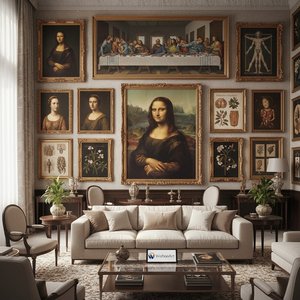
达芬奇25幅杰作:艺术、科学与永恒的辉煌 | OriginalUniqueArt
探索达芬奇25幅杰作!深入了解文艺复兴大师列奥纳多·达·芬奇的艺术传奇,欣赏《蒙娜丽莎》、《最后的晚餐》等经典绘画。OriginalUniqueArt.com提供博物馆级复制品和家居装饰灵感。在线探索完整系列!
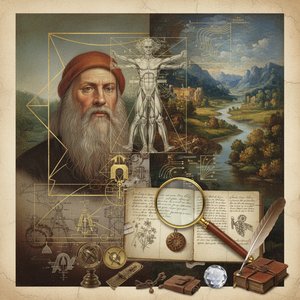
Leonardo da Vinci: A Renaissance Master’s Synthesis of Art, Science & Human Observation – Reinterpreted for the Collector
Explore Leonardo da Vinci’s timeless masterpieces with OriginalUniqueArt. Discover insights into his art, science, and legacy – trusted expertise for discerning collectors seeking authentic reproductions & investment opportunities.


