
 效果预览
效果预览
 购买手绘画作
 分享
分享 分享
分享
 详情
详情

 下载
下载
 相似作品
相似作品 X射线
X射线 幻灯片播放
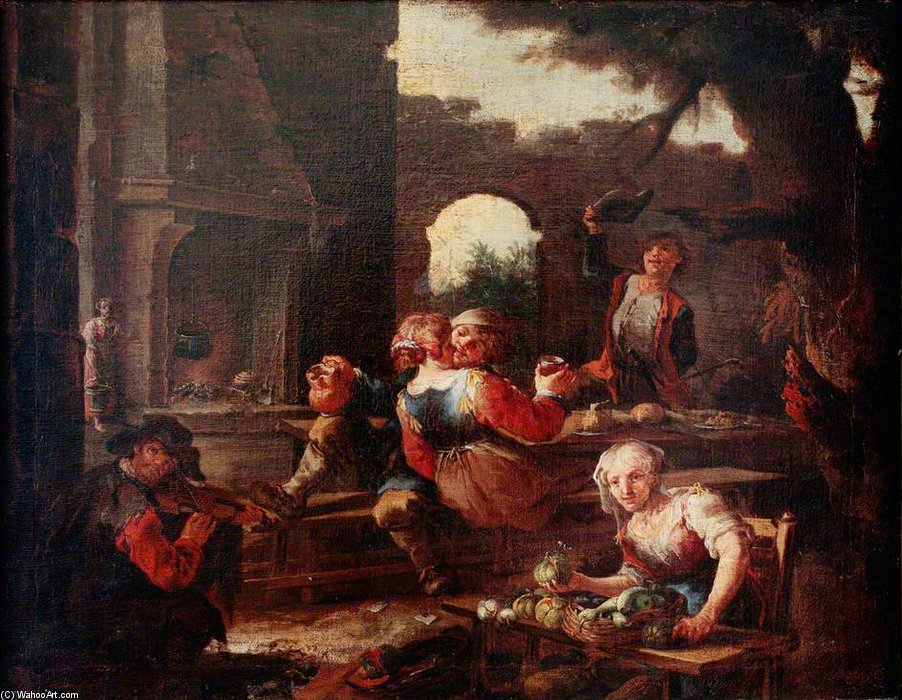
幻灯片播放Peasants Drinking Scene
 展开详情
展开详情




































从与原作比例一致的预设尺寸中进行选择。

您可以输入自定义尺寸,以适配特定的画框或空间。如果您选择的尺寸与原图比例不符,我们将对作品进行裁剪,或通过镜像填充/纯色填充边缘的方式来扩展图像。在开始制作之前,我们会向您发送一份数字效果图供您确认。
请注意,屏幕上的预览并不能反映实际的裁剪或扩展效果。只有效果图才能准确展示最终的构图。
虽然我们提供定制尺寸,但为了保持原图比例,我们建议您从预设列表中选择尺寸。


 玻璃选项仅适用于110厘米以下的尺寸。

Peasants Drinking Scene
艺术微喷/版画
复制品尺寸
-


最终总价
$ 80
艺术家简介
The Luminous Legacy of Il Todeschini
In the vibrant, shadow-drenched corridors of the late Baroque era, few artists captured the quiet drama of everyday existence as poignantly as Giacomo Francesco Cipper. Known to his contemporaries by the affectionate moniker Il Todeschini, this Austrian-born master became a defining voice in the Milanese art scene. Born in Feldkirch in 1664, Cipper’s journey from the Alpine reaches of Austria to the bustling cultural hubs of Lombardy and Venice is a testament to the migratory spirit of the Baroque period. While his early years remain somewhat veiled by the mists of history, his arrival in Milan around 1696 marked the beginning of a prolific career that would leave an indelible mark on the Italian landscape painting tradition.
Cipper’s artistic identity was forged in the crucible of the Caravaggesque manner. Drawing inspiration from the dramatic legacies of Michelangelo Merisi da Caravaggio, he mastered the art of chiaroscuro—the profound and theatrical interplay between light and deep shadow. This technique allowed him to transcend mere representation, turning simple scenes of rural life into emotionally resonant narratives. His early works are characterized by a meticulous, almost scrupulous observation of detail, where every texture of fabric and every glint of light on a surface was rendered with startling realism. Through this lens, the mundane became monumental, and the humble subjects of his canvases were elevated to a level of profound dignity.
A Transition Toward Atmospheric Brilliance
As his career progressed, Cipper’s style underwent a fascinating evolution, moving away from the rigid precision of his youth toward a more fluid and atmospheric vision. Influenced perhaps by the subtle touch of contemporaries like Giacomo Ceruti, he began to loosen his brushwork, favoring the evocative play of light over the strictness of line. This shift allowed him to capture not just the physical presence of his subjects, but the very air surrounding them. His landscapes became more than mere backdrops; they became living, breathing environments imbued with a sense of mood and ephemeral beauty.
This stylistic maturation is evident in his diverse repertoire of subjects, which ranged from intimate portraits to bustling genre scenes:
- Genre Scenes: Works such as Palmistry and Peasant Repast With A Young Beggar showcase his ability to weave human connection into rustic settings, using light to guide the viewer's eye through complex social interactions.
- Musicality and Introspection: In pieces like Mandolinenspieler, Cipper captures a sense of quiet melancholy, utilizing soft lighting to reflect the internal world of his subjects.
- Portraiture: His ability to capture character is perhaps best seen in works like Head Of A Man In Red, where rich pigments and dramatic shadows create a captivating, lifelike presence.
Historical Significance and Enduring Spirit
The historical importance of Giacomo Francesco Cipper lies in his role as a bridge between the intense realism of the 17th century and the more sensory, light-focused sensibilities of the 18th century. By operating within the territories of Lombardy and the Veneto, he helped sustain and evolve the Caravaggesque tradition long after its initial peak, ensuring that the dramatic power of shadow remained a vital component of Italian art. His ability to blend the ruggedness of rural life with a sophisticated, painterly elegance allowed him to appeal to both the connoisseurs of Milan and the collectors of Venice.
Even as his final known work, a Self-portrait completed in 1736, signaled the end of his earthly journey, his artistic spirit remained vibrant. Cipper’s legacy is found in those luminous canvases that continue to captivate modern audiences—works that do not merely show us how the world looked, but how it felt to stand within its shifting lights and deepening shadows. He remains a master of the subtle brilliance, an artist who found the extraordinary within the ordinary.

giacomo francesco cipper
1664 - 1736 , Austria
艺术家简介
- Artistic Movement Or Style: Caravaggesque
- Artists Or Movements Influenced By This Artist: ['Cerutti']
- Artists Who Influenced This Artist: ['Giovanni Battista Piranesi']
- Date Of Birth: Fieldkirch, Austria (1664)
- Date Of Death: Milan (1736)
- Full Name: Giacomo Francesco Cipper
- Nationality: Austrian
- Notable Artworks:
- L Excision de la pierre de folie
- Mandolinenspieler
- Head Of A Man In Red
- Place Of Birth: Austria

