

 实景预览
实景预览
 发送
发送 分享
分享
 详情
详情 指南
指南

 下载图片
下载图片
 相似作品
相似作品 X射线
X射线 幻灯片播放
幻灯片播放 统计数据
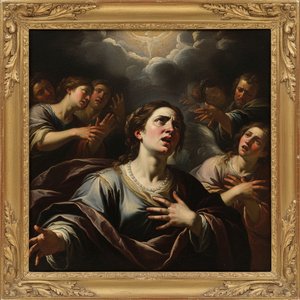
统计数据Three Beggars
 Oil On Canvas
- WallArt
- Baroque Painting
 1736
1736 131.0 x 95.0 cm
 Fundación Colección Thyssen-Bornemisza
 阅读全文
阅读全文
手工油画复制品
由我们的艺术家按需定制,为您提供您所选尺寸及画框的布面手工油画。 ( 切换至版画销售渠道 切换至数字图像销售渠道)




P118B ¥10

P118H ¥10

P118W ¥10

P438Z ¥10

P508JH ¥12

P508YH ¥12

P805H ¥10

P805Z ¥10

P919BZ ¥10

P919G ¥10

P919XJ ¥10

P959ZH ¥10

P968JZ ¥12

W106C ¥8

W218G ¥10

W218JH ¥8

W218Y ¥10

W307PJ ¥10

W316G ¥10

W316PJ ¥8

W316Y ¥10

W398PJ ¥8

W4111J ¥10

W500HY ¥15

W500JH ¥15

W692G ¥12

W849H ¥8

W940BG ¥15

W953PJ ¥8




您可以从与原作比例一致的预设尺寸中进行选择。

请输入您需要的宽度和高度,以适配您的画框或墙面。由于作品为手工绘制,若您选择不同的尺寸比例,艺术家可能会在画面边缘多画一些或稍作裁剪 —— 由您决定。在开始绘画之前,我们会为您发送一份数字效果图供您确认。本页面上展示的图片并非最终实物 —— 只有效果图才能反映真实结果。
下单后,OriginalUniqueArt.com 团队将通过电子邮件联系客户获取具体要求,并提供效果预览图


 玻璃选项仅适用于110厘米以下的尺寸。

Three Beggars
复制品材质
复刻品尺寸说明
-


总计金额
¥ 2016
Giacomo Ceruti’s “Three Beggars”: A Study in Human Suffering and Baroque Dignity
“Three Beggars,” painted by Giacomo Ceruti (Pitocchetto) in 1736, is more than just a depiction of poverty; it's a profoundly moving meditation on human suffering rendered with the characteristic dignity and realism that defined the late Baroque period. This oil-on-canvas masterpiece, currently residing within the esteemed collection at the Fundación Colección Thyssen-Bornemisza in Pedralbes, Spain, offers a stark yet beautiful glimpse into the lives of those marginalized by society – a poignant commentary on social injustice viewed through the lens of an artist deeply attuned to the human condition. Measuring 131 x 95 cm, the painting’s scale invites contemplation, drawing the viewer into the quiet desperation of its subjects.
- The Artist's Vision: Giacomo Ceruti (Pitocchetto), born in Milan in 1698 and passing away in 1767, was a key figure in the Venetian art scene. His work, often characterized by its meticulous detail and realistic portrayal of peasants and beggars, reflects a deep empathy for those less fortunate. He skillfully employed a dark background to elevate his figures, creating a dramatic contrast that intensifies their plight.
- Composition and Technique: Ceruti’s technique is immediately apparent in the rich textures he achieves – from the rough weave of the beggars' clothing to the subtle nuances of expression on their faces. The deliberate use of chiaroscuro, the interplay of light and shadow, further emphasizes the figures and adds a sense of solemnity to the scene.
Subject Matter and Symbolic Representation
The painting’s subject matter is deliberately stark: three individuals – a blind beggar woman, a man with a resigned posture, and another woman seated on a stool clutching a staff – each representing a different facet of hardship. The central figure, the blind beggar woman, immediately commands attention. Her vulnerability and dependence are powerfully conveyed through her slumped form and the suggestion of age etched onto her face. To her right, the man embodies quiet desperation, his posture a silent testament to years of struggle. The third figure, seated and reliant on her staff, symbolizes resilience and the enduring need for support in the face of adversity. These aren't merely portraits of poverty; they are archetypes of human suffering, rendered with an almost sculptural quality.
- Symbolism of the Staff: The beggar woman’s staff is not simply a tool for walking; it represents her reliance on charity and the precariousness of her existence.
- The Blind Woman's Significance: Her blindness adds another layer of symbolism, representing both physical impairment and spiritual darkness – a common motif in Baroque art.
Historical Context and Artistic Legacy
Created during the 18th century, “Three Beggars” stands as a testament to the enduring power of social commentary within the realm of art. Ceruti’s work aligns with the broader trends of the late Baroque period, characterized by its emotional intensity and dramatic compositions. His paintings have been rediscovered and appreciated in recent centuries, finding their place in prominent museums like the Museo Thyssen-Bornemisza in Madrid. The painting's enduring appeal lies not only in its technical skill but also in its ability to evoke a profound sense of empathy and understanding for those who are marginalized.
This reproduction offers an exceptional opportunity to own a piece of art history, allowing you to appreciate the genius of Giacomo Ceruti (Pitocchetto) and his powerful exploration of the human condition. Its evocative imagery continues to resonate with viewers today, solidifying its place as a significant work within the canon of 18th-century art.
问答详情
针对 贾科莫·切鲁蒂 (Pitocchetto) 的《Three Beggars》 的版画,推荐的尺寸和方向是什么?
建议将 贾科莫·切鲁蒂 (Pitocchetto) 的《Three Beggars》 打印为 Large 大小,并采用 Portrait 构图。
下单前可以预览 贾科莫·切鲁蒂 (Pitocchetto) 的《Three Beggars》 吗?
通过“Three Beggars”的预览页面,您可以在下单前预览艺术品。
在哪里可以下载贾科莫·切鲁蒂 (Pitocchetto) 的《Three Beggars》?
您可以在作品的下载页面下载贾科莫·切鲁蒂 (Pitocchetto) 的《Three Beggars》的图像:高分辨率数字图像下载。
相关文章
Chiaroscuro and Soul: A Definitive Guide to the Drama and Emotion of Italian Baroque Masterpieces
Embark on a sophisticated journey through Italian Baroque art. Discover the dramatic interplay of light and emotion in Caravaggio’s masterpieces and explore how to bring this timeless grandeur into your collection with expert art insights.

巴洛克艺术巅峰:十部巨作定义时代,点亮您的臻品格调
探索巴洛克艺术的辉煌!本文精选十部巨作,带您领略卡拉瓦乔、伦勃朗等大师的光影魔法与戏剧张力。从黄金时代到宗教绘画,感受奢华与精致。OriginalUniqueArt.com为您提供博物馆品质的艺术复制品和家居装饰灵感。尽在OriginalUniqueArt.com!

巴洛克戏剧性:将辉煌与情感融入当代室内设计
探索巴洛克艺术的辉煌与奢华!OriginalUniqueArt提供精湛的手工油画复制、定制服务和专业艺术咨询,助您将经典作品融入当代室内设计,提升家居品味。投资艺术,传承价值。

The Enduring Power of Painting: A Historical & Contemporary Exploration of Form and Emotion
Explore the rich history & enduring techniques of oil painting with OriginalUniqueArt. Discover masterpieces, learn about art collecting, and find authentic handmade reproductions crafted by skilled artists.

Italian Baroque Unlocked: High-Drama Art That Hits Hard
Dive into the high-drama world of Italian Baroque art. Discover how chiaroscuro, intense emotion, and theatrical lighting redefined aesthetics. Explore the visceral power of the Counter-Reformation through a modern lens with expert insights from OriginalUniqueArt.com.