

 实景预览
实景预览
 发送
发送 分享
分享
 详情
详情 指南
指南

 下载图片
下载图片
 相似作品
相似作品 X射线
X射线 幻灯片播放
幻灯片播放 统计数据
统计数据Reading the Bible
 Acrylic On Canvas
- WallArt
- Dutch Golden Age Painting
 1645
1645 60.0 x 46.0 cm
 卢浮宫
卢浮宫
 阅读全文
阅读全文
艺术微喷/版画
博物馆级艺术微喷或帆布版画,制作高效,并提供多种饰面选择。 ( 订购此收藏品的纯手工复刻画作 切换至数字图像销售渠道)




P118B ¥10

P118H ¥10

P118W ¥10

P438Z ¥10

P508JH ¥12

P508YH ¥12

P805H ¥10

P805Z ¥10

P919BZ ¥10

P919G ¥10

P919XJ ¥10

P959ZH ¥10

P968JZ ¥12

W106C ¥8

W218G ¥10

W218JH ¥8

W218Y ¥10

W307PJ ¥10

W316G ¥10

W316PJ ¥8

W316Y ¥10

W398PJ ¥8

W4111J ¥10

W500HY ¥15

W500JH ¥15

W692G ¥12

W849H ¥8

W940BG ¥15

W953PJ ¥8




您可以从与原作比例一致的预设尺寸中进行选择。

Type the width and the height you need, to fit your frame or your wall. A print can only be cut, never made bigger than the picture, so a size with a different shape loses a part of the image. We send you a digital mockup to approve before we print anything. The picture shown on this page does not show the real cut — only the mockup does.


 玻璃选项仅适用于110厘米以下的尺寸。

Reading the Bible
艺术微喷/版画
复刻品尺寸说明
-


总计金额
¥ 538
A Moment of Quiet Contemplation: Unveiling Gerrit Dou’s “Reading the Bible”
Gerrit Dou's "Reading the Bible," painted in 1645, isn’t merely a portrait; it’s a carefully constructed tableau of domestic piety and profound introspection. The scene unfolds within a modestly furnished room – a chair, a potted plant, two vases, and a simple bowl offering a glimpse into the everyday life of a Dutch family. Yet, it's the central figures, a man absorbed in scripture and a woman seated beside him, that immediately draw the eye, radiating an aura of serene engagement. Dou’s masterful manipulation of light and shadow, characteristic of his “fijnschilder” style, elevates this intimate moment to something far more resonant – a meditation on faith, family, and the quiet power of shared devotion.
Dou's technique is remarkably detailed, almost obsessively so. He employs a meticulous layering of glazes, building up color gradually to achieve an astonishing level of realism and luminosity. Notice how the light streams through the window, illuminating the man’s face and hands as he pores over the Bible, while casting subtle shadows across the woman's features. This chiaroscuro effect isn’t simply decorative; it serves to emphasize the drama within the scene – the intensity of his concentration juxtaposed with her quiet attentiveness. The textures are equally convincing: the rough weave of the chair upholstery, the delicate leaves of the plant, and the sheen on the woman's dress all contribute to a palpable sense of presence.
The Leiden Fijnschilder and the Pursuit of Perfection
Gerrit Dou was a pivotal figure in the Dutch Golden Age, belonging to the esteemed group known as the “Leiden fijnschilders.” This collective of artists distinguished themselves through their commitment to painstaking detail, refined technique, and an almost photographic realism. Unlike many of their contemporaries who favored grand historical or mythological subjects, the fijnschilders focused on intimate genre scenes – everyday moments of domestic life, portraits of ordinary people, and still lifes brimming with subtle nuances. Dou’s work embodies this ethos perfectly; he sought not to simply depict reality but to capture its essence with unparalleled precision and emotional depth.
Born in Leiden in 1613, Dou's artistic journey was shaped by his apprenticeship under Rembrandt van Rijn. While absorbing the master’s innovative use of light and shadow, Dou quickly developed a distinct style – one characterized by an extraordinary level of polish and a meticulous attention to detail that bordered on obsessive. He famously employed a unique method for achieving this precision: using a concave lens and convex mirror to create a magnified image of his subject, allowing him to render every minute detail with astonishing accuracy.
Symbolism and the Values of Early Modern Dutch Society
Beyond its technical brilliance, “Reading the Bible” is rich in symbolic meaning. The act of reading scripture represents a cornerstone of early modern Dutch society – a time when religious observance was deeply ingrained in daily life. The couple’s quiet contemplation suggests a shared commitment to faith and family values. The woman's presence isn’t merely decorative; she embodies domesticity, piety, and the nurturing role within the household. The room itself, though modest, speaks volumes about their status – a comfortable space dedicated to intellectual and spiritual pursuits.
Furthermore, the inclusion of objects like the potted plant and the vases hints at the importance of nature and beauty in Dutch culture. These elements contribute to a sense of harmony and balance within the scene, reflecting the ideals of the Golden Age. The painting, therefore, offers a window into the values and beliefs that shaped 17th-century Holland – a society deeply committed to faith, family, and the pursuit of excellence.
Bringing “Reading the Bible” Home: A Reproduction for Today
OriginalUniqueArt is proud to offer high-quality reproductions of Gerrit Dou’s "Reading the Bible," capturing the artist's remarkable skill and evocative atmosphere. Whether you are an art collector, interior designer, or simply someone seeking a piece that embodies quiet contemplation and timeless beauty, this reproduction provides a stunning tribute to one of the Dutch Golden Age’s most accomplished painters. Available in various sizes and on premium archival paper, it is a perfect addition to any home or office – a reminder of the enduring power of faith, family, and artistic mastery.
问答详情
我可以使用增强现实技术在我的房间里预览 荷兰画家迪·杜 (Hélán Huàjiā Dí Dù) 的《Reading the Bible》 吗?
“Reading the Bible” 具备增强现实预览功能:通过作品的 AR 预览 页面,您可以在兼容设备上查看该作品呈现在您专属空间的效果。
“Reading the Bible”的创作者是谁,属于什么风格?
"Reading the Bible" 的背后是 荷兰画家迪·杜 (Hélán Huàjiā Dí Dù) 及其所属的 Dutch Golden Age Painting 流派。
Dutch Golden Age Painting 流派的作品 "Reading the Bible" 传达了怎样的情感?
在Dutch Golden Age Painting运动中,"Reading the Bible"以Reflective的基调被记录下来。
艺术家简介
格里特·杜:荷兰黄金时代光影大师
格里特·杜(Gerrit Dou,1613年4月7日-1675年2月9日),是荷兰黄金时代绘画史上一位极具代表性的画家。他出生于莱顿,一个以精细绘画而闻名的城市,并在这里度过了他的一生。杜并非像伦勃朗那样声名显赫,但他对细节的极致追求和对日常生活的细腻描绘,使他在同代艺术家中独树一帜,成为“莱顿微画派”的领军人物。他的作品以其高度的光泽、逼真的质感和引人入胜的场景而著称,至今仍令艺术爱好者叹为观止。
早期生涯与风格形成
格里特·杜最初师从莱顿当地的画家扬·利斯贝茨(Jan Lisbeths),但真正影响他艺术发展的是伦勃朗。1628年,杜成为伦勃朗工作室的学生,并在那里接受了严格的训练。这段经历对他的绘画风格产生了深远的影响,尤其是在光影处理方面。然而,杜并没有完全模仿伦勃朗的宏大和戏剧性,而是逐渐形成了自己独特的风格——“微画派”。这种风格强调细节的精确刻画、色彩的丰富细腻以及对日常场景的真实再现。他擅长描绘室内场景,特别是烛光下的夜景,通过精妙的光线运用营造出一种温馨而神秘的氛围。
主要作品与艺术特色
格里特·杜的作品题材广泛,包括肖像画、风俗画、宗教画和静物画等。但他最令人印象深刻的是他的“一景”绘画(cabinet paintings)。这些小尺寸的画作通常描绘家庭生活中的场景,例如《点蜡烛的天文馆》(The Astronomer by Candlelight)便是其代表作之一。这幅画作不仅展示了杜对光线的精湛掌握能力,更体现了他对细节的极致追求:从天文学家的表情到房间内的各种器物,都刻画得栩栩如生。此外,《旧妇人肖像》(Portrait of an Old Woman)也以其逼真的人物形象和细腻的情感表达而备受赞誉。杜的作品常常带有道德寓意,通过对日常生活的描绘反映了当时的社会风貌和伦理观念。
影响与传承
格里特·杜的艺术风格对许多后来的画家产生了深远的影响。他的学生弗朗斯·范·米里斯(Frans van Mieris the Elder)和加布里埃尔·梅楚(Gabriel Metsu)都继承了他的“微画派”传统,并在各自的作品中展现了类似的细腻和逼真。杜的绘画技巧也影响了许多其他艺术家,使“莱顿微画派”成为荷兰黄金时代绘画史上的一个重要流派。他的作品不仅在当时广受欢迎,而且至今仍被收藏于世界各地的博物馆和私人画廊中。《莱顿馆藏》(The Leiden Collection, New York)等艺术机构也珍藏着杜的许多杰作,为后人研究他的艺术提供了宝贵的资料。
历史意义与当代价值
格里特·杜的作品是荷兰黄金时代绘画史上的重要组成部分。他以其独特的风格和精湛的技巧,为我们展现了当时荷兰社会生活的真实面貌。他的作品不仅具有高度的艺术价值,更具有重要的历史文化价值。通过对日常场景的描绘,杜反映了当时的社会风俗、伦理观念和人们的生活状态。在当代,格里特·杜的作品仍然受到广泛关注和喜爱。他的绘画技巧和艺术风格为后来的艺术家提供了宝贵的借鉴,而他作品中所蕴含的人文精神也值得我们深入思考和学习。

荷兰画家迪·杜 (Hélán Huàjiā Dí Dù)
1613 - 1675 , 荷兰
快速概览
- Artistic Movement Or Style: 精细绘画派
- Artists Or Movements Influenced By This Artist:
- 弗兰斯·范·米里斯
- 加布里埃尔·梅楚
- Artists Who Influenced This Artist: ['伦勃朗·凡·莱因']
- Date Of Birth: 1613年4月7日
- Date Of Death: 1675年2月9日
- Full Name: 格里特·杜
- Nationality: 荷兰国籍
- Notable Artworks:
- 烛光天文学家
- 风俗画
- 夜景
- Place Of Birth (City And Country): 荷兰莱顿市
相关文章

荷兰黄金时代绘画:文化创新中的现实主义反思
深入探索荷兰黄金时代绘画的文化创新与现实主义反思。本文解读伦勃朗、维米尔等大师的作品,并结合玛莉特·韦斯特曼的图像学研究,揭示艺术史背后的社会语境与现代性意识觉醒。
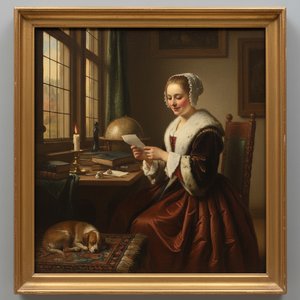
Gerrit Dou: Intimacy & Light in the Dutch Golden Age
Explore the exquisite world of Gerrit Dou, a master of Dutch Golden Age painting. Discover his intimate genre scenes, signature use of light, and lasting legacy. Learn about collecting Dou's works & their value.

荷兰黄金时代:十幅定义艺术史的巨作 | OriginalUniqueArt
探索荷兰黄金时代的艺术巅峰! 伦勃朗、维米尔等大师名作,带您领略巴洛克艺术的辉煌。高清画作、博物馆级品质,点亮您的家居空间。OriginalUniqueArt.com 提供精选艺术复制品和定制装饰方案。立即在线探索全系列!
十七世纪荷兰黄金时代绘画:光影、现实与人文精神的辉煌
深入探索十七世纪荷兰黄金时代绘画的辉煌!解读林布兰、维米尔等大师的光影技巧与人文精神,了解巴洛克风格、风俗画的演变。艺术史专家带您领略珍品收藏,提升艺术鉴赏力。

Golden Light & Dutch Skies: The Timeless Magic of Dutch Golden Age Landscapes
Discover the breathtaking beauty of Dutch Golden Age landscapes. Explore the mastery of light, chiaroscuro, and 17th-century realism through an expert art history lens, celebrating the enduring legacy of the Dutch Masters for discerning collectors and art lovers.

