

 效果预览
效果预览
 分享
分享 分享
分享
 详情
详情

 下载
下载
 相似作品
相似作品 X射线
X射线 幻灯片播放
幻灯片播放 统计数据
统计数据The Virgin of Sorrows


 展开详情
展开详情
手工油画复制品
由我们的艺术家按需定制,为您提供您所选尺寸及画框的布面手工油画。 ( 切换至版画销售渠道 切换至数字图像销售渠道)




P118B $10

P118H $10

P118W $10

P438Z $10

P508JH $12

P508YH $12

P805H $10

P805Z $10

P919BZ $10

P919G $10

P919XJ $10

P959ZH $10

P968JZ $12

W106C $8

W218G $10

W218JH $8

W218Y $10

W307PJ $10

W316G $10

W316PJ $8

W316Y $10

W398PJ $8

W4111J $10

W500HY $15

W500JH $15

W692G $12

W849H $8

W940BG $15

W953PJ $8




从与原作比例一致的预设尺寸中进行选择。

您可以输入自定义尺寸,以适配特定的画框或空间。如果所选尺寸与原图比例不符,我们将通过裁剪作品或添加手绘元素来扩展画面。数字样稿将在制作开始前发送给您确认。
请注意,屏幕预览无法准确反映实际的裁剪或扩展效果,只有样稿才能真实呈现最终的构图。
虽然我们提供定制尺寸服务,但为了保留原作比例,建议您从预设列表中选择尺寸。
下单后,OriginalUniqueArt.com 团队将通过电子邮件联系客户获取具体要求,并提供效果预览图。


 玻璃选项仅适用于110厘米以下的尺寸。

The Virgin of Sorrows
复制材质
复制品尺寸
-


最终总价
$ 300
The Weight of Sorrow: Germain Pilon’s ‘The Virgin of Sorrows’
Germain Pilon's “The Virgin of Sorrows,” painted around 1580, isn’t merely a depiction of the biblical Mary; it’s an embodiment of profound grief and maternal anguish rendered with startling realism and emotional depth. This terracotta sculpture, now residing in the Louvre Museum, transcends its humble material to become a powerful meditation on suffering – a cornerstone of Renaissance art's exploration of human emotion and religious devotion. Pilon, a sculptor deeply rooted in the artistic currents of Fontainebleau, skillfully blended influences from the late Gothic tradition with the burgeoning dynamism of Mannerism, creating an image that is both familiar and unsettlingly intimate.
The sculpture immediately draws the viewer’s eye to Mary's posture – slumped, head bowed, hands clasped together in a gesture of supplication or quiet despair. Her drapery, voluminous and swirling, isn’t simply decorative; it actively conveys her sorrow, mimicking the turbulent emotions within. The folds cascade downwards, mirroring the weight of her grief and creating a sense of instability, as if she might collapse under the burden of her loss. Pilon's mastery lies in his ability to imbue this seemingly simple pose with an overwhelming sense of pathos – a testament to his understanding of human psychology and his skill in translating it into sculpted form.
A Renaissance Echo: Context and Influences
Pilon’s work emerged during a period of intense religious and political upheaval in France. The Valois dynasty, marked by succession crises and devastating wars, had left an indelible scar on the nation's psyche. Catherine de Medici, Queen Mother and patron of the arts, commissioned numerous works to commemorate her deceased sons and consolidate her family’s legacy – a poignant reflection of the constant threat of loss that permeated royal life. This context profoundly shaped Pilon’s artistic vision; his sculptures weren’t simply religious icons but also powerful symbols of mourning and remembrance.
The sculpture's style is deeply influenced by the Fontainebleau School, known for its elegant forms, rich colors, and dramatic use of light and shadow. However, Pilon departs from the idealized beauty often associated with this school, opting instead for a more raw and emotionally charged representation of Mary’s suffering. There’s an undeniable connection to Michelangelo's work, particularly his Pietà, evident in the pyramidal composition and the expressive rendering of human anatomy – though Pilon imbues these elements with a distinctly French sensibility.
Symbolism and the Seven Sorrows
“The Virgin of Sorrows” is inextricably linked to the concept of the “Seven Sorrows,” a popular devotion within Catholic tradition. These sorrows represent key moments in Mary’s life – from the prophecy of Simeon foretelling her son's suffering, through the flight into Egypt, the loss of Jesus in the Temple, and culminating in his crucifixion and burial. The sculpture subtly alludes to these events, inviting viewers to contemplate the depth of Mary’s pain.
The most striking element is undoubtedly the depiction of Mary holding a lance – a direct reference to the spear that pierced her heart at Christ's crucifixion. This visual symbol powerfully conveys the intensity of her grief and serves as a potent reminder of the sacrifice she endured for humanity. The sculpture’s muted color palette—earth tones dominating the robe—further emphasizes the somber mood, reinforcing the sense of profound sorrow.
A Timeless Expression of Maternal Grief
“The Virgin of Sorrows” remains a profoundly moving work of art centuries after its creation. Pilon's ability to capture such intense emotion in terracotta is remarkable, and the sculpture’s enduring appeal lies in its universal themes of loss, grief, and maternal love. It speaks to the shared human experience of sorrow—a reminder that even amidst suffering, there can be a profound sense of dignity and grace. Reproductions of this piece offer a powerful way to bring this timeless expression of maternal grief into any space, serving as both an artistic statement and a poignant meditation on the complexities of the human heart.
艺术家简介
热尔曼·皮隆 (1528–1590):情感与枫丹白露学派的雕塑大师
热尔曼·皮隆(Germain Pilon)是法国文艺复兴时期雕塑艺术中最卓越的人物之一,他成功地在哥特式的传统与巴洛克式的宏伟之间架起了一座桥梁。尽管近年来的学术研究表明他的出生年份更接近1528年,但他大约于1525年诞生于巴黎,并从父亲安托万·皮隆(Antoine Pilon)那里继承了艺术天赋。其父建立的工作室专门从事雕塑委托创作,这种家族传承深刻地塑造了皮隆的早年岁月,使他沉浸在那个时代的技艺与美学之中。早期的文献记载显示,他曾与父亲合作创作大型宗教雕像和墓碑肖像,这表明他从一开始就积极参与到当时盛行的艺术潮流中。- 早期训练与协作:安托万·皮雕的工作室为皮隆提供了在石雕创作方面极其宝贵的经验,培养了他足以定义其整个职业生涯的精湛技艺。这些合作尝试展现了他对雕塑工艺敏锐的洞察力,并为他日后的辉煌成就奠定了坚实基础。
- 枫丹白露学派的影响:与他那个时代的许多雕塑家一样,皮隆深受枫丹白露学派——即受米开朗基罗工作室启发之风格——的深远影响,该流派推崇解剖学的准确性与戏剧化的情感表达。这种影响在他随后的作品中清晰可见:人物形象不仅具有惊人的写实感,更充满了富有表现力的姿态,传达出深刻的心理深度。
卓越的委托作品与艺术风格
皮隆凭借其非凡的技艺和艺术远见迅速赢得了声誉。他参与了圣丹尼斯修道院弗朗索瓦一世陵墓的装饰工作,并与让·古容(Jean Goujon)并肩作战,这一项目成为了他艺术生涯的关键转折点,巩固了他作为法国最顶尖雕塑家之一的地位。这项宏伟的工程体现了皮隆致力于捕捉宗教图像的神圣与庄严,同时不断探索创新雕塑技法的决心。此后的委托作品还包括1564年完成的亨利二世在圣丹尼斯的陵墓,这充分证明了他将复杂叙事转化为动人心魄的视觉呈现的能力。- 圣丹尼斯陵墓:圣丹尼斯陵墓被视为皮隆的杰作之一,它展示了他对大理石雕刻的精湛掌控,并体现了枫丹白露学派对解剖精准度与戏剧化情感的追求。
- 狄安娜与鹿浮雕:这件为迪安娜·德·波蒂埃(Diane de Poitiers)委托创作的浮雕是皮隆雕塑风格的惊艳范例,其特征在于粗犷的纹理与富有表现力的姿态,传递出一种动态感与心理上的张力。
重大成就与艺术遗产
皮隆对法国艺术的贡献不仅限于宏伟的陵墓;他在肖像雕塑和奖章设计方面也表现卓越,创作了许多令人动容的王室与贵族形象。他为亨利二世和凯瑟琳·德·美第奇(尤其是后者)创作的青铜胸像,至今仍是文艺复兴时期优雅与艺术成就的标志性象征。此外,皮隆与皮埃尔·邦坦(Pierre Bontemps)的合作也促进了当时巴黎艺术界的协作精神。他因能够捕捉雕塑形式中的人类情感本质而闻名,确立了自己作为矫饰主义美学捍卫者的地位。他的影响力在后世那些拥抱写实主义与戏剧化风格的雕塑家身上得到了延续——这一遗产至今仍持续激发着人们的钦佩与学术研究。代表作品
- 《基督复活》(卢浮宫)
- 《狄安娜与鹿》(卢浮宫)
- 《亨利二世与凯瑟琳·德·美第奇陵墓》(圣丹尼斯大教堂)
- 《哀悼》(青铜雕塑)
热尔曼·皮隆的雕塑作品是文艺复兴精神的永恒丰碑——它们见证了艺术的创新、技术的精湛以及对人类情感的深刻洞察。

热尔曼·皮隆
1528 - 1590 , 法国
艺术家简介
- Artistic Movement Or Style: 风格主义
- Artists Or Movements Influenced By This Artist: ['文艺复兴雕塑']
- Artists Who Influenced This Artist:
- 米开朗基罗
- 枫丹白露画派
- Date Of Birth: 约 1525 年
- Date Of Death: 1590 年
- Full Name: 热尔曼·皮隆
- Nationality: 法国
- Notable Artworks:
- 基督复活
- 狩猎女神与鹿
- 亨利二世与凯瑟琳·德·美第奇之墓
- Place Of Birth: 法国巴黎
相关文章

The Enduring Form: Sculpture Across History, Technique & Emotional Resonance
Explore the rich history of sculpture with OriginalUniqueArt. Discover key techniques, influential artists & investment potential for discerning collectors. Expert insights into valuing and collecting timeless masterpieces.

The Enduring Form: Exploring Themes & Techniques in Sculpture Across Historical Periods
Explore the rich history of sculpture from ancient masterpieces to contemporary innovations. Discover key techniques, influential artists & investment potential for discerning art collectors.

Bronze Sculptures That Defined Art History | OriginalUniqueArt
Journey through art history with our Top 10 bronze sculptures! Explore masterpieces by Rodin, Michelangelo & more. Discover stories behind iconic statues and find museum-quality reproductions for your home decor at OriginalUniqueArt.com.
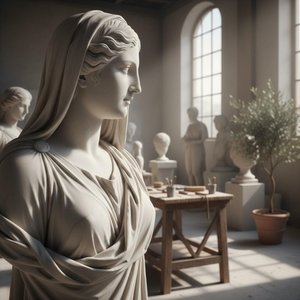
Timeless Elegance: A Complete Guide to the Sublime Beauty and Artistry of Marble Sculpture
Discover the sublime beauty of marble art through an expert exploration of Renaissance and Neoclassical masterpieces. From the delicate textures of Carpeaux to the grandeur of Sansovino, immerse yourself in a guide to timeless elegance and sculptural perfection.

The Enduring Allure of Marble in Art History: From Classical Sculpture to Modern Abstraction
Explore the captivating history of marble sculpture from ancient Greece to modern art. Discover renowned artists like Canova & Michelangelo, carving techniques, and investment insights at OriginalUniqueArt.
