

 实景预览
实景预览
 发送
发送 分享
分享
 详情
详情 指南
指南

 下载图片
下载图片
 相似作品
相似作品 X射线
X射线 幻灯片播放
幻灯片播放 统计数据
统计数据Fuji


 阅读全文
阅读全文
艺术微喷/版画
博物馆级艺术微喷或帆布版画,制作高效,并提供多种饰面选择。 ( 订购此收藏品的纯手工复刻画作 切换至数字图像销售渠道)




P118B ¥10

P118H ¥10

P118W ¥10

P438Z ¥10

P508JH ¥12

P508YH ¥12

P805H ¥10

P805Z ¥10

P919BZ ¥10

P919G ¥10

P919XJ ¥10

P959ZH ¥10

P968JZ ¥12

W106C ¥8

W218G ¥10

W218JH ¥8

W218Y ¥10

W307PJ ¥10

W316G ¥10

W316PJ ¥8

W316Y ¥10

W398PJ ¥8

W4111J ¥10

W500HY ¥15

W500JH ¥15

W692G ¥12

W849H ¥8

W940BG ¥15

W953PJ ¥8




您可以从与原作比例一致的预设尺寸中进行选择。

请输入您所需的宽度和高度,以适配您的画框或墙面。由于印刷品只能进行裁剪,无法超出原图尺寸,因此若比例不一致,画面的一部分将会被裁切。在正式印刷之前,我们会为您发送一份数字效果图供您确认。本页面显示的图片并非最终裁剪后的效果——只有效果图才能展示真实的裁剪情况。


 玻璃选项仅适用于110厘米以下的尺寸。

Fuji
艺术微喷/版画
复刻品尺寸说明
-


总计金额
¥ 538
The Enigmatic Landscape: An Introduction to Gerhard Richter's "Fuji"
Gerhard Richter’s “Fuji,” a work that exists primarily as meticulously rendered reproductions, isn’t merely a depiction of the iconic Japanese mountain; it’s an exploration of memory, perception, and the elusive nature of reality itself. Painted in 2013, this piece embodies a core element of Richter's oeuvre – his masterful manipulation of photographic source material. Rather than striving for immediate representation, he employs a technique that deliberately obscures, inviting viewers to contemplate the process of seeing and the inherent subjectivity involved in translating an image into paint.
The painting’s palette is deceptively simple: primarily shades of red, orange, and blue, arranged within a complex network of layered brushstrokes. These aren't vibrant, assertive colors; instead, they are muted, almost melancholic, suggesting a faded memory or a dreamlike state. The composition itself is deliberately ambiguous. While the central form undeniably evokes Mount Fuji’s recognizable silhouette – its distinctive conical shape rising above a hazy backdrop – it’s rendered with an unsettling softness, as if viewed through a veil of mist or watercolor. This deliberate blurring creates a sense of detachment, pulling us away from a literal representation and into a realm of emotional resonance.
Richter's Method: Appropriation and the Illusion of Reality
Richter’s approach to painting is famously rooted in appropriation – he frequently utilizes photographs as his starting point. “Fuji” exemplifies this practice perfectly. He doesn’t attempt to recreate a photograph directly; instead, he builds upon it, adding layers of paint, manipulating textures, and subtly altering the image's tonal values. This process isn’t about deception, but rather about revealing the inherent limitations of representation. As Richter himself has stated, his goal is not to create an accurate likeness, but to capture a feeling or mood associated with the original photograph.
The technique employed in “Fuji” is particularly noteworthy. Richter utilizes a layering method, applying thin washes of color over previous layers, creating a sense of depth and translucency. The brushstrokes are often loose and gestural, suggesting movement and spontaneity – a deliberate contrast to the seemingly static nature of the subject matter. This interplay between control and chance contributes significantly to the painting’s captivating quality.
Symbolism and the Weight of History
Mount Fuji holds profound cultural significance in Japan, representing beauty, spirituality, and resilience. It's a symbol deeply intertwined with Japanese history and mythology, frequently depicted in art and literature as a sacred mountain. Richter’s choice to focus on this iconic subject is therefore laden with meaning. Considering the artist’s own background – born in Dresden during a period of immense political upheaval in Germany – “Fuji” can be interpreted as a meditation on memory, displacement, and the enduring power of nature to transcend historical trauma.
The muted color palette and the painting's overall sense of ambiguity also evoke feelings of nostalgia and loss. It’s possible that Richter is drawing upon his own experiences of displacement and uncertainty, translating them into a visual language that speaks to the broader human condition. The mountain itself, standing as a silent witness to centuries of change, becomes a potent symbol of continuity and endurance.
Collecting “Fuji”: A Window into Richter’s World
Reproductions of Gerhard Richter's "Fuji" offer an accessible entry point into the artist’s complex and rewarding body of work. OriginalUniqueArt.com provides meticulously crafted, hand-painted reproductions that capture the essence of Richter’s unique style. These aren’t simply prints; they are faithful interpretations of his layered brushwork and subtle color shifts, allowing you to experience the painting's emotional depth and intellectual richness in your own space.
Whether displayed as a statement piece in a contemporary interior or studied for its artistic merits, “Fuji” remains a compelling testament to Richter’s mastery of abstraction and his profound engagement with the complexities of perception and memory. It is an artwork that invites contemplation, sparking dialogue about art, history, and the enduring power of visual representation.
艺术家简介
分裂的历史与艺术的探索:格哈德·里希特的早期岁月与艺术形成
格哈德·里希特的故事深深地与二十世纪德国分裂的历史交织在一起。1932年出生于德累斯顿,他的童年正值纳粹党崛起阴影之下。这段塑造性的时期,伴随着流离失所——战争期间他的家人搬迁了好几次——在他心中埋下了深刻的不确定感和质疑精神,这将贯穿他艺术创作的几十年。他在美因河畔赖兴瑙和沃尔特斯多夫早期的田园诗般的生活很快就被冲突打断,给他的内心留下了不可磨灭的印记。尽管他的父亲并非狂热的纳粹党支持者,但作为一名乡村教师,他巧妙地在威权统治下生存,而他的母亲则在家中培养了对文学和音乐的热爱。这种二元性——一种对现实的务实接受与对文化表达的渴望——成为了里希特自身艺术方法的定义特征。1951年,他在德累斯顿美术学院开始了正规训练,最初沉浸在东德国家要求的社会主义现实主义传统中。然而,即使在这个受限的环境中,一种对艺术自由的渴望也在暗中涌动,这源于对他意识形态约束日益增长的不满以及探索更广阔创造可能性的渴望。挣脱束缚:杜塞尔多夫与风格的探索
1961年是关键的一年。里希特和他的妻子玛丽安·欧芬格做出了大胆的决定,逃离东德,寻求庇护于蓬勃发展的杜塞尔多夫艺术界。这一举动标志着他艺术轨迹的巨大转变。西德的景象提供了一个解放的环境,不仅允许实验和创新,而且积极地鼓励它们。在杜塞尔多夫,他遇到了一个充满活力的艺术家群体,他们正在努力解决身份、表现和历史遗产等问题。他迅速开始瓦解社会主义现实主义僵化的风格惯例,进入了一个激烈的探索时期,这将定义他的早期成熟作品。这个时代见证了他来回摇摆于看似不同的方法之间——从逼真地再现摄影图像的摄影写实主义,到以大胆的色彩和动态笔触为特征的抽象构图。他与西格马·波尔克的合作催生了“资本主义现实主义”一词,这是一个故意模糊的标签,反映了他对既定艺术规范的共同怀疑以及他对广告和大众媒体中图像的挪用。这个时期的重点不在于寻找*一种*风格,而是质疑风格一致性的概念本身,将矛盾视为基本原则。模糊界限:摄影写实主义、抽象与偶然性
里希特的艺术词汇在20世纪60年代及以后不断扩展,涵盖了非凡的技术和主题范围。他的摄影写实主义绘画通常基于家庭照片或报纸图像,并非现实的简单复制品,而是对感知和表现本质的调查。通过以近乎临床的超然方式再现这些图像,他迫使观众面对摄影真相固有的歧义。与此同时,里希特也更深入地研究了抽象艺术,创作了由鲜艳的色彩和姿态性标记分层的画布。这些抽象作品通常采用一种独特的技术来创建,使用刮刀——通常用于清洁窗户的工具——将它们拖过画布表面,以不可预测的方式操纵油漆。对偶然性的拥抱是他的艺术哲学的一个核心要素,使他能够放弃控制并邀请意想不到的结果。他的“色彩图表”,是对彩色正方形的有条不紊的排列,进一步挑战了传统艺术表达的概念,质疑了绘画本身的定义。这些作品并非关于个人审美偏好,而是关于探索色彩固有的特性及其组织可能性。遗产与影响:当代艺术的大师
格哈德·里希特对当代艺术的影响是不可否认的。他挑战惯例的意愿、他对技术的不懈实验以及他对历史和政治主题的深刻参与使他成为我们这个时代最重要的艺术家之一。他始终抵制简单的分类,拒绝被框定在单一风格框架内的尝试。这种不愿被定义,加上他的技术精湛和智力严谨,赢得了广泛的评论赞誉和商业成功——他的画作经常以创纪录的价格在拍卖会上售出。然而,超越市场价值的是更深层次的意义。里希特的艺术反映了现代存在的复杂性,处理记忆、身份以及在分裂世界中寻找意义的问题。他没有提供答案,而是提出了问题,促使观众面对他们自己的先入为主的观念并参与批判性对话。《他的影响可以体现在无数在他之后工作的艺术家身上》,他们被他的创新技术和对艺术探索的不懈承诺所吸引。里希特的遗产不仅仅在于创造美丽的物体;它还在于扩展绘画的可能性本身。他仍然是当代艺术领域中一股重要的力量,继续以其具有挑战性和深刻回响的作品来激励和震撼观众。
格哈德·里希特
1932 - , 德国
快速概览
- Artistic Movement Or Style:
- 写实主义
- 抽象
- 资本主义现实主义
- Artists Or Movements Influenced By This Artist: 当代画家
- Artists Who Influenced This Artist:
- 巴勃罗·毕加索
- 让·阿尔普
- Date Of Birth: 1932年2月9日
- Full Name: 格哈德·里希特
- Nationality: 德国人
- Notable Artworks:
- 抽象画610-1
- 吉尔伯特
- 带孩子的S
- 1977年10月18日
- Place Of Birth: 德累斯顿,德国
相关文章

Gerhard Richter: A Retrospective on Abstraction, Memory & the Photographic Source
Explore the profound world of Gerhard Richter's abstract paintings. Discover his techniques, influences, and lasting impact on contemporary art – a guide for discerning collectors.

抽象表现主义:十幅定义艺术史的杰作
探索抽象表现主义的十幅经典杰作!波洛克、罗斯科等大师作品,揭秘艺术史上的重要瞬间。OriginalUniqueArt.com为您呈现高品质艺术品复制和精选家居装饰方案,感受现代艺术的力量与魅力。立即浏览全系列!

Kandinsky's Masterpieces: 25 Paintings That Define Abstract Art | OriginalUniqueArt
Journey through Wassily Kandinsky's 25 most iconic abstract paintings. Explore his revolutionary use of color, form & spiritual expressionism. Find museum-quality Kandinsky reproductions and elevate your home decor with OriginalUniqueArt.com. Discover all masterpieces on OriginalUniqueArt.com!

几何抽象艺术十大杰作:定义现代家居装饰的经典之作
探索几何抽象艺术的十大杰作!康定斯基、蒙德里安等大师作品,色彩构成与非具象之美。OriginalUniqueArt.com提供博物馆级艺术复制品,为您的家居带来现代艺术灵感。立即在线探索完整系列!
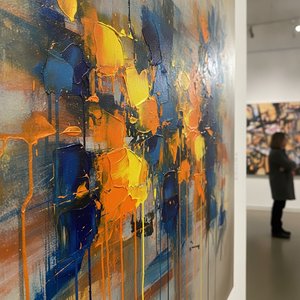
Beyond the Lines: Mastering the High-Impact World of Contemporary Abstraction
Master the high-impact world of contemporary abstraction. Discover how bold colors, textures, and modern movements like Abstract Expressionism can transform your space with premium, high-energy art curated for the design-conscious professional.


